Get your free personalized podcast brief
We scan new podcasts and send you the top 5 insights daily.
Etched's hiring philosophy is bimodal. They recruit "legends"—the world's best in a specific domain—and pair them with brilliant, inexperienced young talent. This combination provides both deep expertise and the aggressive, first-principles questioning needed to challenge industry norms.
![Etched - Building AI Hardware to Make Inference Faster and Cheaper - [Invest Like the Best, EP.480] thumbnail](https://megaphone.imgix.net/podcasts/532910c4-743d-11f1-b7dc-b31915c88b79/image/810c9e3a23b5c4ea0a56e5e4cc8d7e47.jpg?ixlib=rails-4.3.1&max-w=3000&max-h=3000&fit=crop&auto=format,compress)
Related Insights
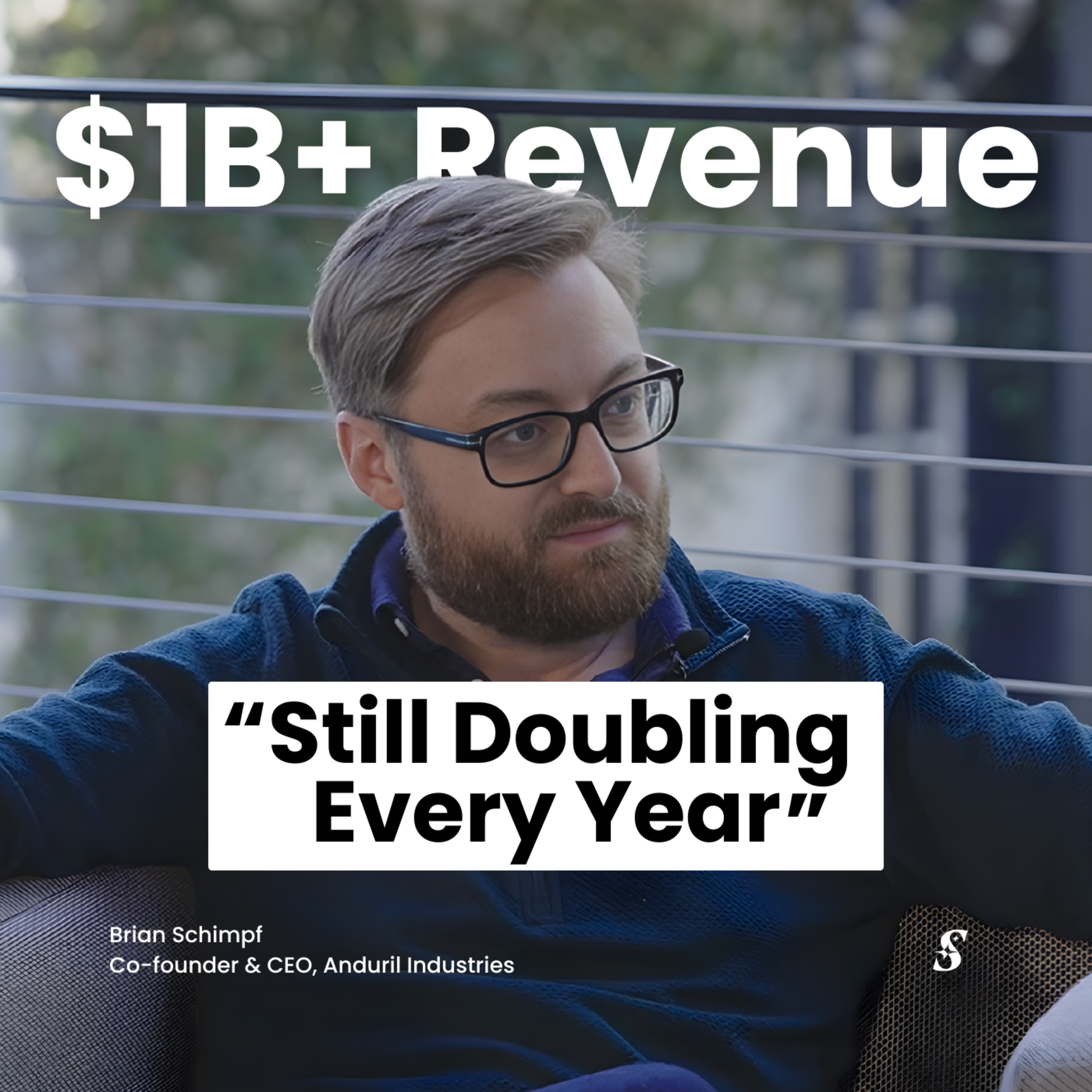
Building the next generation of industrial technology requires a specific cultural and talent synthesis. Success demands combining Silicon Valley’s software-first culture and talent with the deep, domain-specific knowledge of industrial veterans who understand real-world constraints and past failures.

When building a team for a novel venture, prioritize curious qualities over pure credentials. Look for collaborators who are passionate, resilient, and 'iconoclastic'—comfortable challenging the status quo. Also seek out people with diverse outside interests, as they can draw unique connections and avoid narrow thinking.

To avoid the hyper-competitive market for mid-level talent, startups can adopt a "barbell" strategy. Focus recruiting efforts exclusively on very senior, staff-level hires and high-potential junior talent directly from university. This bifurcated approach optimizes for talent density and budget.

Guidara deliberately avoided hiring people with extensive fine-dining experience. Newcomers are less beholden to industry norms and more likely to ask "why," challenging long-held assumptions. This 'intelligent naivety' can be a superpower for innovation, preventing stagnation.

When building core AI technology, prioritize hiring 'AI-native' recent graduates over seasoned veterans. These individuals often possess a fearless execution mindset and a foundational understanding of new paradigms that is critical for building from the ground up, countering the traditional wisdom of hiring for experience.

The company's leadership philosophy, borrowed from Palantir, is to hire highly opinionated and sometimes difficult talent. While this feels chaotic, these individuals are essential for innovation and adaptation, unlike talent that merely optimizes existing, stable systems.
The common practice of hiring for "culture fit" creates homogenous teams that stifle creativity and produce the same results. To innovate, actively recruit people who challenge the status quo and think differently. A "culture mismatch" introduces the friction necessary for breakthrough ideas.

Lovable's hiring strategy combines talent straight from school, who grew up with AI and lack preconceived limits, with experienced professionals who bring industry patterns. This creates a powerful dynamic where both groups learn from each other.

Etched's seemingly impossible mission—two 24-year-olds taking on NVIDIA—acts as a natural recruiting filter. It deters opportunistic candidates and attracts those who are wired to take on extreme challenges, self-selecting for a team that is personally invested in proving the vision right.
Dropbox's founders built their team using a first-principles approach, prioritizing exceptional talent even when candidates lacked traditional pedigrees or direct experience for a role. This strategy of betting on the person's potential over their polished resume proved highly effective for scaling.