Get your free personalized podcast brief
We scan new podcasts and send you the top 5 insights daily.
Ethan Mollick highlights that students who treat artificial intelligence as a simple shortcut learn significantly less. True skill retention requires friction, or desirable difficulties, meaning software must be forced to act like a demanding coach that challenges thinking rather than a machine that hands over ready-made answers.

Related Insights
Brilliant's AI tutor intentionally withholds direct answers and explanations. This forces learners to struggle through problems and discover insights themselves. This active struggle is more effective for long-term retention than passively receiving information, even though it feels harder in the short term.

To truly master a new skill with AI, one must move beyond simple command-and-response. The most effective method is engaging the AI in a conversation, asking "why" it made certain choices and discussing alternatives. This transforms the tool from a simple answer generator into an interactive learning partner.
Using generative AI to produce work bypasses the reflection and effort required to build strong knowledge networks. This outsourcing of thinking leads to poor retention and a diminished ability to evaluate the quality of AI-generated output, mirroring historical data on how calculators impacted math skills.
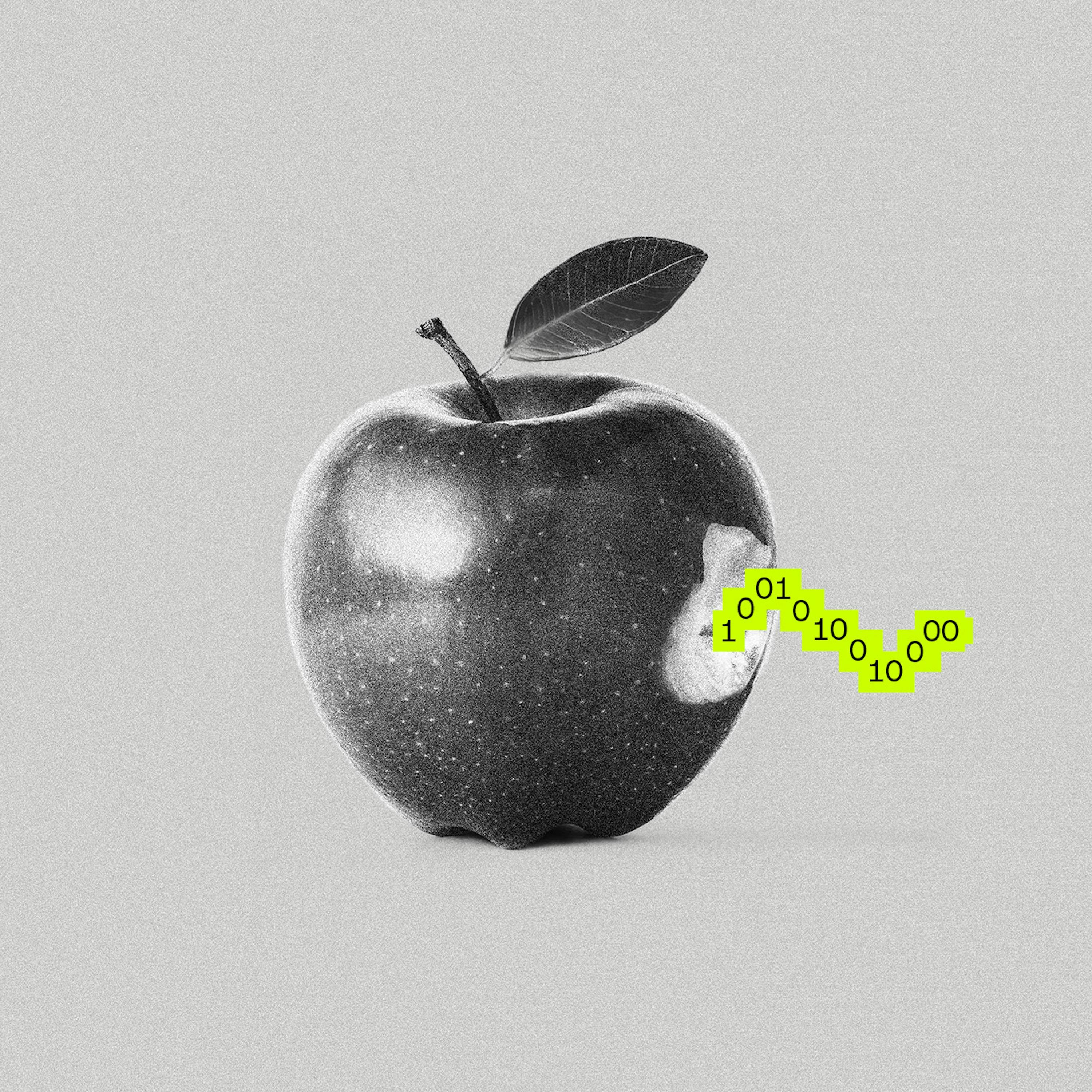
Deep expertise is often built through a 'hazing process' of trial and error—a form of good friction. AI tools, by providing an 'easy button,' remove these critical learning opportunities, which can lead to a decline in high-caliber talent and an over-reliance on superficial, AI-generated solutions.

Over-reliance on automation for cognitive tasks prevents true learning, as struggle is necessary for internalizing lessons. Outsourcing effort to tools like AI causes your own abilities to atrophy; you can rent wisdom, but you can only purchase it with pain.

Counter-intuitively, learning methods that feel frustrating and slow, like interleaved practice, lead to superior long-term retention and problem-solving. The feeling of ease or "fluency" during study is often a sign of ineffective, shallow learning. Frustration is a feature, not a bug.
The struggle to learn, condense, and articulate an idea is more valuable for comprehension than the final output. Relying on AI shortcuts this cognitive "sweat equity," which studies show leads to poor recall, a loss of individual voice, and only a superficial understanding of the subject.

While cheating is a concern, a more insidious danger is students using AI to bypass deep cognitive engagement. They can produce correct answers without retaining knowledge, creating a cumulative learning deficit that is difficult to detect and remedy.

While AI tutors offer educational potential, commercial market forces incentivize frictionless, agreeable tools that accelerate cognitive surrender. When individuals lean on AI to deliver effortless answers rather than wrestling with complex cognitive problems, they gradually lose fundamental skills and reasoning capabilities. Healthy human skill acquisition inherently depends on cognitive friction and deliberative effort.
Instead of allowing AI to atrophy critical thinking by providing instant answers, leverage its "guided learning" capabilities. These features teach the process of solving a problem rather than just giving the solution, turning AI into a Socratic mentor that can accelerate learning and problem-solving abilities.