Get your free personalized podcast brief
We scan new podcasts and send you the top 5 insights daily.
Political leaders often scapegoat subordinates to absorb blame for unpopular decisions. Trump is 'pensing' VP J.D. Vance by making him the face of the disastrous Iran deal. This tactic allows the leader to distance themselves from the failure, sacrificing a team member's reputation to preserve their own political capital.

Related Insights
The "you'll never get fired for buying IBM" principle is rampant in government. Officials hire prestigious consulting firms like McKinsey to gain political cover. If the project fails, they can deflect blame onto the consultants, effectively diffusing responsibility for their own decisions.

When leaders are not fully present in meetings, their fragmented attention results in poor guidance. When the team inevitably fails to deliver on these unclear instructions, the leader often blames the team's competence instead of their own lack of focus.

When a powerful leader makes an inappropriate comment, they bear 100% of the responsibility for the awkward reactions of subordinates. It is unfair to criticize junior individuals who are caught off guard in an "impossible" social situation created by their superior.

The White House and Pentagon are deliberately shifting blame for a controversial military strike onto a subordinate admiral. This tactic insulates political leaders like the Secretary of Defense, whose rocky tenure and past blunders created the context for such controversial actions, from accountability.
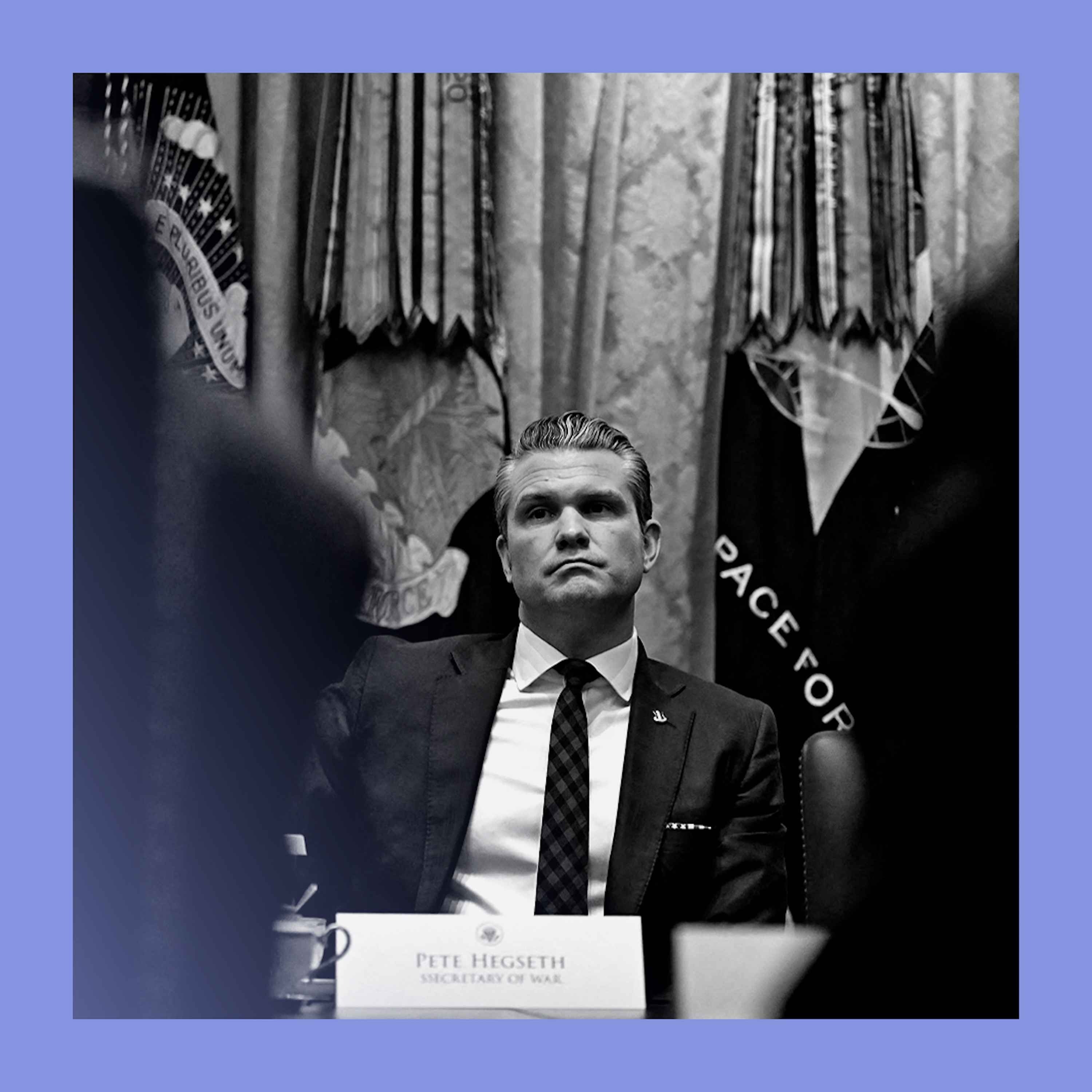
When the Trump administration mistakenly struck an Iranian school, its denial and false claims compounded the tragedy. The correct crisis response is to immediately acknowledge the error, take full responsibility, and outline corrective actions, rather than appearing both incompetent and dishonest.

Directly attacking a charismatic leader can backfire due to personal loyalty. A more effective political strategy is to target their key advisors. Removing controversial figures can weaken the leader's power structure, as it is easier to build consensus against "bad actors" than the principal.

When a product relaunch failed, a leader publicly called it a "marketing problem." While technically a marketing challenge, this phrasing singled out the marketing director, created a culture of blame, and stifled a genuine investigation into the root cause.
![Lessons from sh*tty moments (and bosses) [Uncensored Renegades] thumbnail](https://img.transistorcdn.com/VIH3Rn5ET8-eHQxgBGNydnhXL95pc10_Kq7qTpjezuc/rs:fill:0:0:1/w:1400/h:1400/q:60/mb:500000/aHR0cHM6Ly9pbWct/dXBsb2FkLXByb2R1/Y3Rpb24udHJhbnNp/c3Rvci5mbS9zaG93/LzQ3MzEvMTU3MDAz/MjQ3NC1hcnR3b3Jr/LmpwZw.jpg)
In a scenario where VP JD Vance replaces an incapacitated Trump, he would be a less formidable leader. Vance lacks Trump's powerful personality cult, which is the essential glue holding his diverse and often conflicting political coalition together. Without it, Vance would face significant internal party resistance.
Identify political operators by watching for three patterns: 1) they take individual credit for collaborative successes, 2) they deflect blame onto others for poor outcomes, and 3) they subtly change their narrative to always align with the current power structure.

Trump allows officials he plans to fire, like Kristi Noem, to face public scrutiny and humiliation in hearings before their dismissal. This tactic serves his political purposes, demonstrating a lack of loyalty and respect for his team, using them as an "anger pillow."