Get your free personalized podcast brief
We scan new podcasts and send you the top 5 insights daily.
Before becoming massive platforms, many successful companies started with a narrow focus. Instagram was for bourbon drinkers, Amazon for used books, and Facebook for Harvard students. This strategy built a loyal early user base and refined their product before expanding to a broader market.

Related Insights
Intense early customer love from a small, specific niche can be a false signal for product-market fit. Founders must distinguish between true market pull and strong fit within an unscalable sub-market before they saturate their initial user base and growth stalls.

Indiegogo intentionally launched by focusing only on the film industry, using it as a beachhead market to prove their model, similar to how Amazon started with books. This niche focus was a strategic choice before expanding to all categories, which ultimately unlocked massive growth.

When Figma started, VCs deemed the designer market too small. While this made fundraising harder, it also meant fewer competitors rushed in. This perceived niche gave Figma the time and space to build a complex, defensible product before the market's true potential became obvious to everyone.

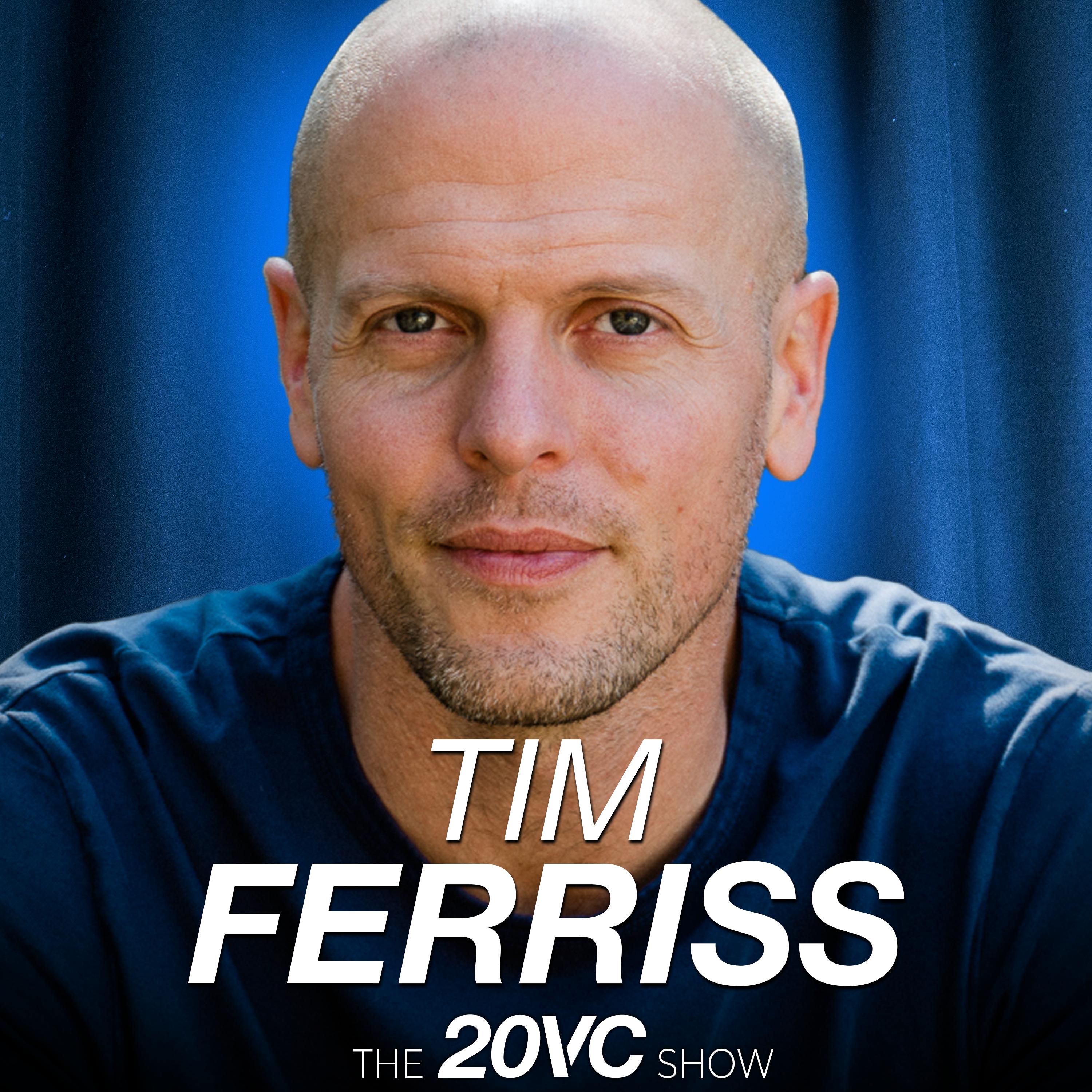
To achieve massive reach, start with a hyper-specific target audience. By writing "The 4-Hour Workweek" for just two friends and marketing it to a narrow demographic in one city, Tim Ferriss created a concentrated ripple effect that naturally expanded to millions. A broad approach dilutes your message.
Niching down allows you to dominate a small pond with less competition, enabling higher prices and faster learning. Once you're the "biggest guy in a puddle," you use your acquired skills and resources to graduate to a pond, then a lake, and finally the ocean.

Instead of a broad launch, Everflow targeted only mobile affiliate networks—a small market they knew deeply from their previous company. This allowed them to build very specific, high-value features for that ICP, win deals, and establish a strong beachhead before expanding into larger, adjacent markets.

While modern algorithms allow for growth without a niche, a specific focus is non-negotiable for three key outcomes: building a recognizable brand, creating a viable business, and cultivating loyal 'superfans' who engage deeply and consistently. General growth does not equal a sustainable enterprise.
To stand out, focus on a very specific audience and problem. The speaker started by helping moms with Snapchat safety, then expanded to Snapchat marketing, and finally to general Instagram coaching. This phased approach builds authority before you widen your scope.

Many founders fail not from a lack of market opportunity, but from trying to serve too many customer types with too many offerings. This creates overwhelming complexity in marketing, sales, and product. Picking a narrow niche simplifies operations and creates a clearer path to traction and profitability.

The best strategy is to capture a large share of a small, specific market and then expand into adjacent ones. Jeff Bezos deliberately started with books for a niche customer base, proving the model before scaling to become 'the everything store.'