Get your free personalized podcast brief
We scan new podcasts and send you the top 5 insights daily.
xAI is leveraging its massive GPU infrastructure by renting it out to other AI companies like Cursor. This strategy turns a significant cost center into a revenue-generating business, effectively making xAI a specialized cloud provider and creating a new monetization path beyond its own model development, mirroring the AWS playbook.

Related Insights
Firms like OpenAI and Meta claim a compute shortage while also exploring selling compute capacity. This isn't a contradiction but a strategic evolution. They are buying all available supply to secure their own needs and then arbitraging the excess, effectively becoming smaller-scale cloud providers for AI.

xAI's 500-megawatt data center in Saudi Arabia likely isn't just for running its own models. It's a strategic move for Musk to enter the lucrative data center market, leveraging his expertise in large-scale infrastructure and capitalizing on cheap, co-located energy sources.

The merger combines SpaceX's rocketry with XAI's AI development. The official rationale is to build cost-effective, environmentally friendly data centers in space to meet the massive compute demands of future AI, a vision that leverages SpaceX's continually falling launch costs to make space-based supercomputing feasible.

For leading AI labs like Anthropic and OpenAI, the primary value from cloud partnerships isn't a sales channel but guaranteed access to scarce compute and GPUs. This turns negotiations into a complex, symbiotic bundle covering hardware access, cloud credits, and revenue sharing, where hardware is the most critical component.

The merger leverages SpaceX's heavy launch capabilities to deploy space-based data centers for xAI, capitalizing on abundant solar power and the vacuum of space for cooling. This creates a massive competitive advantage by eliminating terrestrial energy and real estate costs.
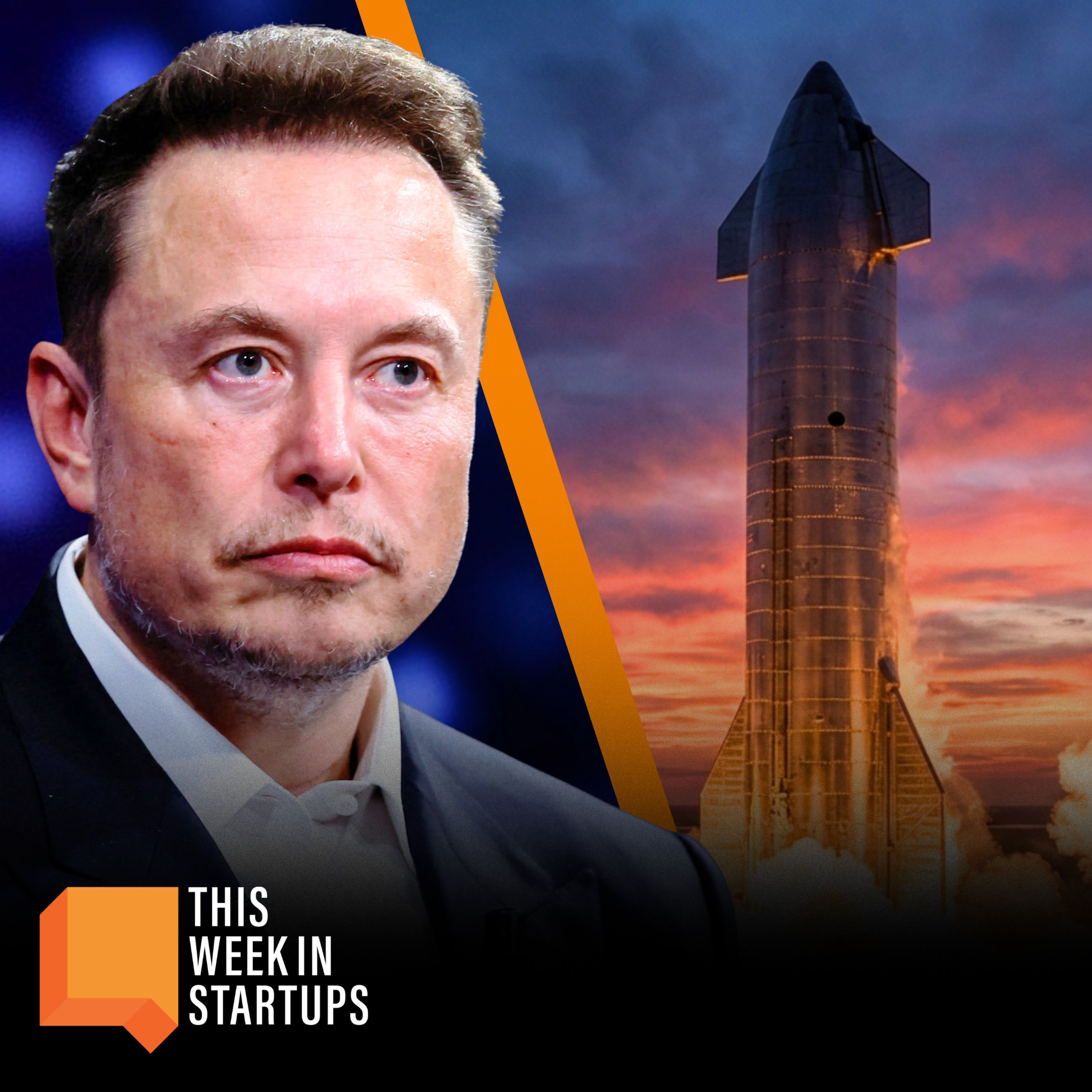
Unlike AI rivals who partner or build in remote areas, Elon Musk's xAI buys and converts large urban warehouses into data centers. This aggressive, in-house strategy grants xAI faster deployment and more control by leveraging existing city infrastructure, despite exposing them to greater public scrutiny and opposition.
By investing billions in both OpenAI and Anthropic, Amazon creates a scenario where it benefits if either becomes the dominant model. If both falter, it still profits immensely from selling AWS compute to the entire ecosystem. This positions AWS as the ultimate "picks and shovels" play in the AI gold rush.
A new category of cloud providers, "NeoClouds," are built specifically for high-performance GPU workloads. Unlike traditional clouds like AWS, which were retrofitted from a CPU-centric architecture, NeoClouds offer superior performance for AI tasks by design and through direct collaboration with hardware vendors like NVIDIA.

Instead of viewing compute as a cost center, OpenAI treats it as a revenue generator, analogous to hiring salespeople. The core belief is that demand for AI capabilities is so vast that they can never build compute fast enough to satisfy it, justifying massive, forward-looking infrastructure investments.

Because xAI would likely be a segment in SpaceX's S-1 filing, its IPO could provide the first public, detailed financials on an AI lab. This would offer an unprecedented look into the real costs, revenues, and profitability of serving a foundation model like Grok at scale.
