Get your free personalized podcast brief
We scan new podcasts and send you the top 5 insights daily.
Firms like OpenAI and Meta claim a compute shortage while also exploring selling compute capacity. This isn't a contradiction but a strategic evolution. They are buying all available supply to secure their own needs and then arbitraging the excess, effectively becoming smaller-scale cloud providers for AI.

Related Insights
Top AI labs like Anthropic are simultaneously taking massive investments from direct competitors like Microsoft, NVIDIA, Google, and Amazon. This creates a confusing web of reciprocal deals for capital and cloud compute, blurring traditional competitive lines and creating complex interdependencies.

The vast network of consumer devices represents a massive, underutilized compute resource. Companies like Apple and Tesla can leverage these devices for AI workloads when they're idle, creating a virtual cloud where users have already paid for the hardware (CapEx).

Instead of bearing the full cost and risk of building new AI data centers, large cloud providers like Microsoft use CoreWeave for 'overflow' compute. This allows them to meet surges in customer demand without committing capital to assets that depreciate quickly and may become competitors' infrastructure in the long run.

Large tech companies are buying up compute from smaller cloud providers not for immediate need, but as a defensive strategy. By hoarding scarce GPU capacity, they prevent competitors from accessing critical resources, effectively cornering the market and stifling innovation from rivals.

Unlike the speculative "dark fiber" buildout of the dot-com bubble, today's AI infrastructure race is driven by real, immediate, and overwhelming demand. The problem isn't a lack of utilization for built capacity; it's a constant struggle to build supply fast enough to meet customer needs.
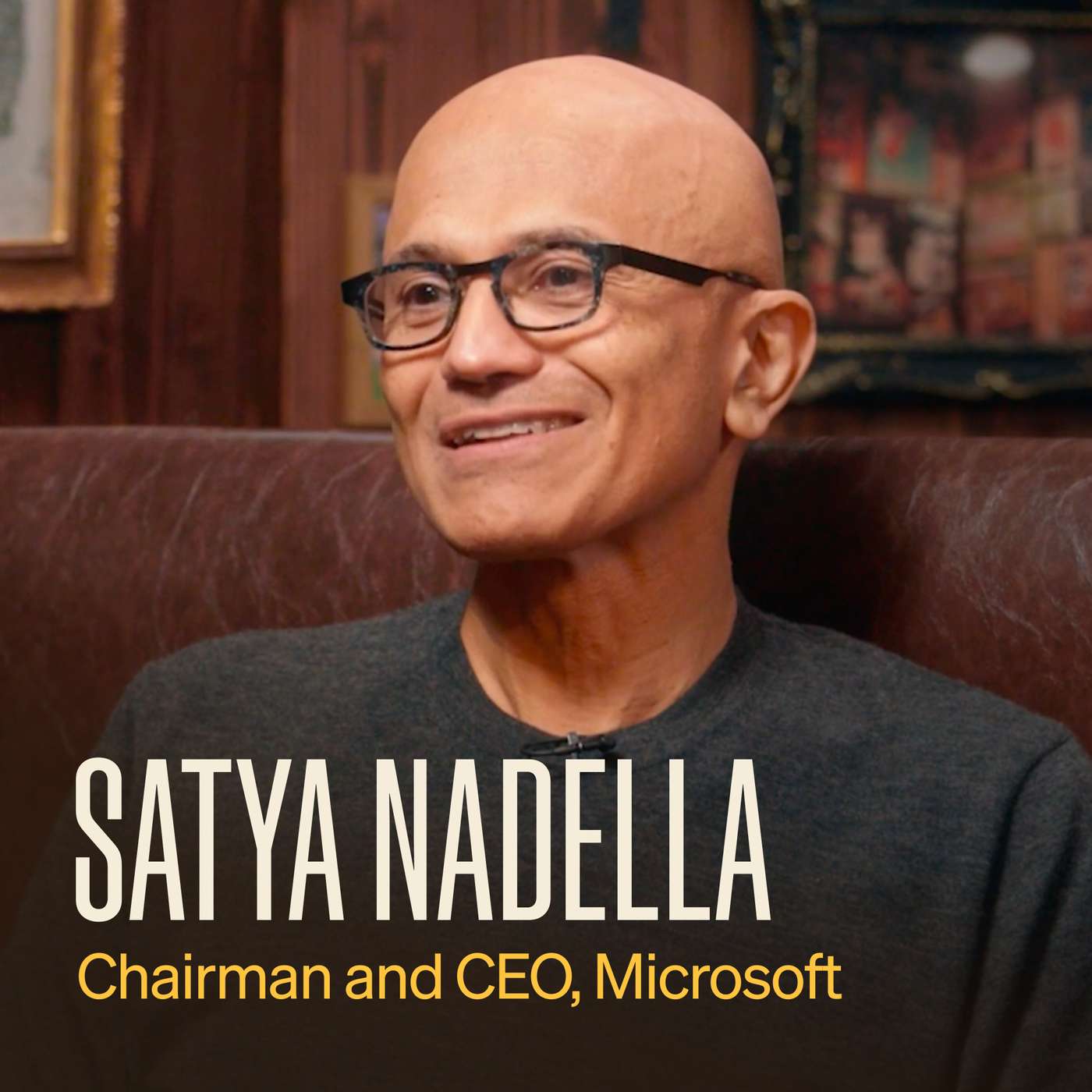
Satya Nadella reveals that Microsoft prioritizes building a flexible, "fungible" cloud infrastructure over catering to every demand of its largest AI customer, OpenAI. This involves strategically denying requests for massive, dedicated data centers to ensure capacity remains balanced for other customers and Microsoft's own high-margin products.

A liquid futures market for GPU compute would create price transparency, threatening the business models of hyperscale cloud providers. These giants benefit from opaque, bundled pricing and controlling supply. They will naturally resist the standardization and transparency that an open futures market would bring.
Hyperscalers face a strategic challenge: building massive data centers with current chips (e.g., H100) risks rapid depreciation as far more efficient chips (e.g., GB200) are imminent. This creates a 'pause' as they balance fulfilling current demand against future-proofing their costly infrastructure.

OpenAI's aggressive partnerships for compute are designed to achieve "escape velocity." By locking up supply and talent, they are creating a capital barrier so high (~$150B in CapEx by 2030) that it becomes nearly impossible for any entity besides the largest hyperscalers to compete at scale.
Major AI labs aren't just evaluating Google's TPUs for technical merit; they are using the mere threat of adopting a viable alternative to extract significant concessions from Nvidia. This strategic leverage forces Nvidia to offer better pricing, priority access, or other favorable terms to maintain its market dominance.