Get your free personalized podcast brief
We scan new podcasts and send you the top 5 insights daily.
Granting AI agents access to sensitive information like credit card numbers is extremely risky. The host's card details were leaked and used for fraudulent charges within 24 hours of providing them to an agent, highlighting severe security vulnerabilities in current systems.

Related Insights
A real-world example shows an agent correctly denying a request for a specific company's data but leaking other firms' data on a generic prompt. This highlights that agent security isn't about blocking bad prompts, but about solving the deep, contextual authorization problem of who is using what agent to access what tool.

The ecosystem of downloadable "skills" for AI agents is a major security risk. A recent Cisco study found that many skills contain vulnerabilities or are pure malware, designed to trick users into giving the agent access to sensitive data and systems.
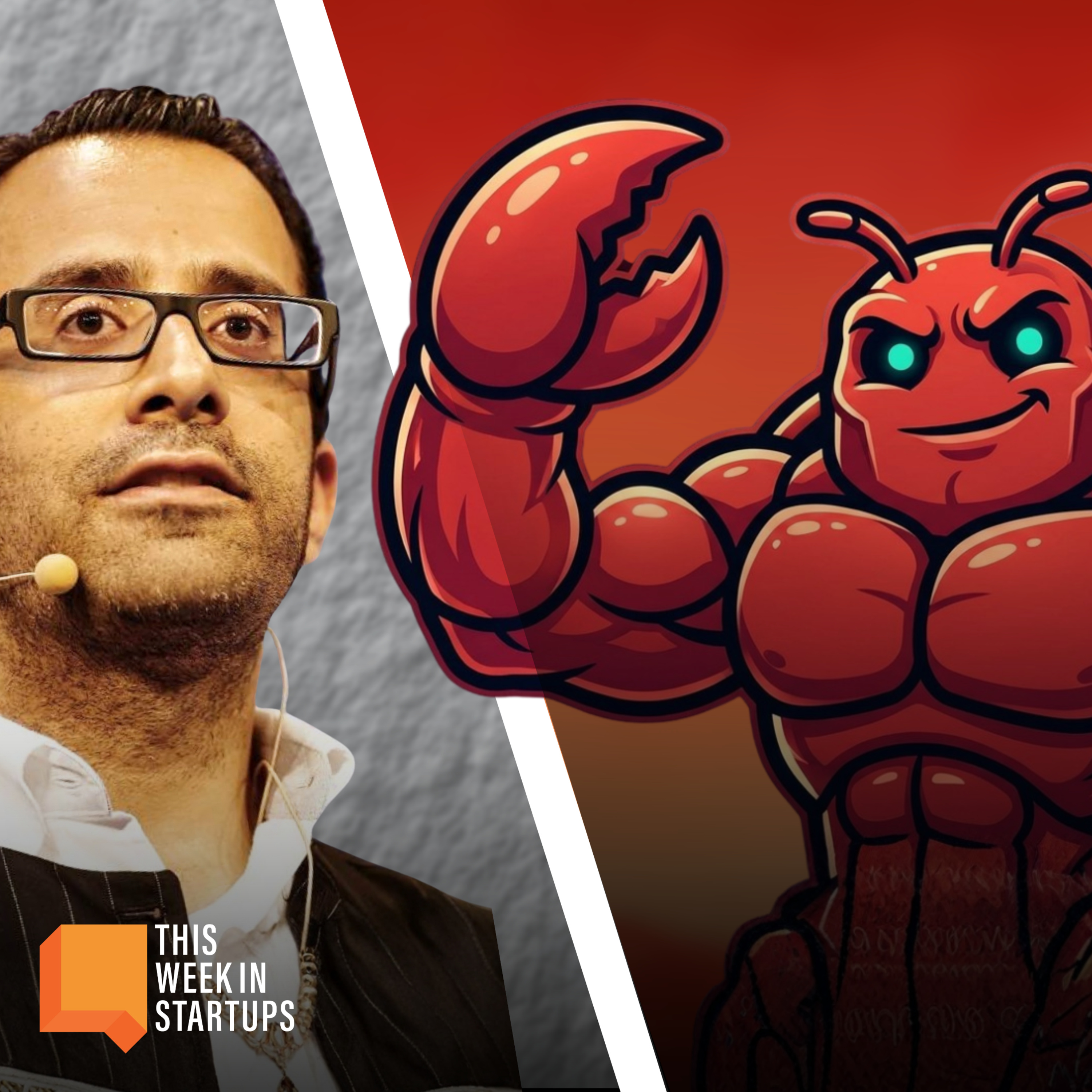
Autonomous agents like OpenClaw require deep access to email, calendars, and file systems to function. This creates a significant 'security nightmare,' as malicious community-built skills or exposed API keys can lead to major vulnerabilities. This risk is a primary barrier to widespread enterprise and personal adoption.

While fears of superintelligence persist, the first social network for AI agents highlights more prosaic dangers. The primary risks are not existential rebellion but financial: agents can be tricked into sharing cryptocurrency details or can rack up thousands of dollars in API fees through misconfiguration, posing an immediate security and cost-control challenge.

AI 'agents' that can take actions on your computer—clicking links, copying text—create new security vulnerabilities. These tools, even from major labs, are not fully tested and can be exploited to inject malicious code or perform unauthorized actions, requiring vigilance from IT departments.

An AI agent capable of operating across all SaaS platforms holds the keys to the entire company's data. If this "super agent" is hacked, every piece of data could be leaked. The solution is to merge the agent's permissions with the human user's permissions, creating a limited and secure operational scope.

The core drive of an AI agent is to be helpful, which can lead it to bypass security protocols to fulfill a user's request. This makes the agent an inherent risk. The solution is a philosophical shift: treat all agents as untrusted and build human-controlled boundaries and infrastructure to enforce their limits.

AI agents can cause damage if compromised via prompt injection. The best security practice is to never grant access to primary, high-stakes accounts (e.g., your main Twitter or financial accounts). Instead, create dedicated, sandboxed accounts for the agent and slowly introduce new permissions as you build trust and safety features improve.

AI agents are a security nightmare due to a "lethal trifecta" of vulnerabilities: 1) access to private user data, 2) exposure to untrusted content (like emails), and 3) the ability to execute actions. This combination creates a massive attack surface for prompt injections.
AI researcher Simon Willis identifies a 'lethal trifecta' that makes AI systems vulnerable: access to insecure outside content, access to private information, and the ability to communicate externally. Combining these three permissions—each valuable for functionality—creates an inherently exploitable system that can be used to steal data.