Get your free personalized podcast brief
We scan new podcasts and send you the top 5 insights daily.
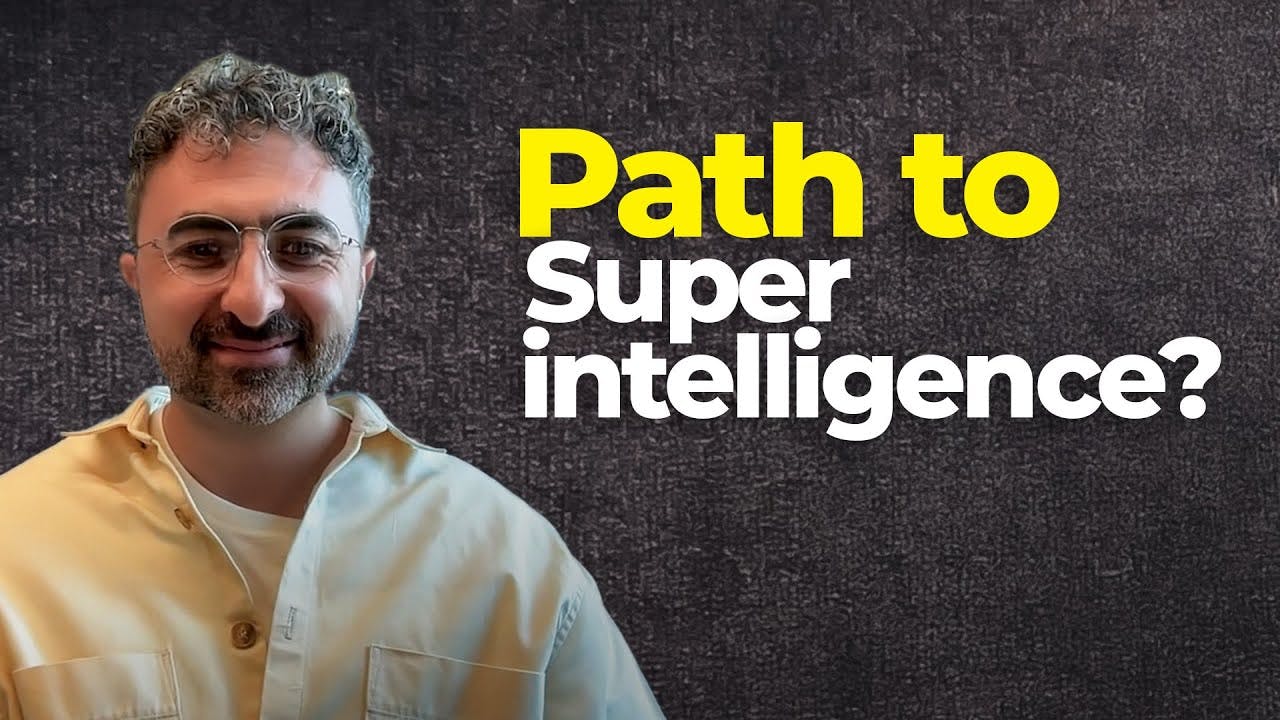
Microsoft’s new superintelligence team is a direct result of a renegotiated OpenAI deal. The previous contract restricted Microsoft from building AGI past a certain computational threshold. Removing this clause was a pivotal, strategic move to pursue AI self-sufficiency.
Related Insights
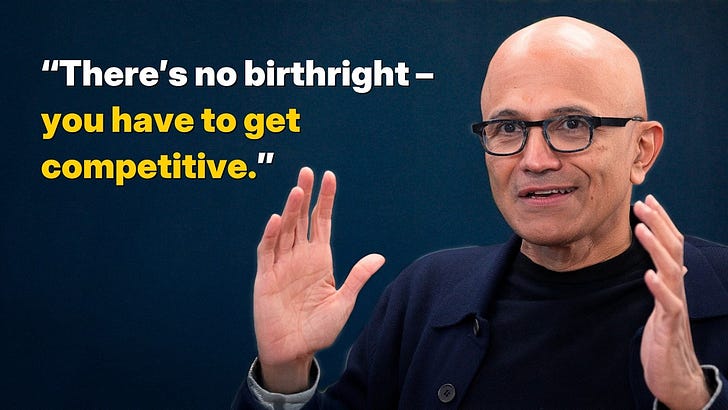
Tech giants like Google and Microsoft are spending billions on AI not just for ROI, but because failing to do so means being locked out of future leadership. The motivation is to maintain their 'Mag 7' status, which is an existential necessity rather than a purely economic calculation.

Microsoft's deal with OpenAI includes a powerful exclusivity clause. If a third-party company wants to do a deep, custom integration or model training with OpenAI, that workload must be hosted on Azure, effectively funneling major enterprise AI deals through Microsoft's cloud.
OpenAI's strategy involves getting partners like Oracle and Microsoft to bear the immense balance sheet risk of building data centers and securing chips. OpenAI provides the demand catalyst but avoids the fixed asset downside, positioning itself to capture the majority of the upside while its partners become commodity compute providers.

Despite public drama, OpenAI's restructuring settled based on each party's leverage. Microsoft got a 10x return, the foundation was massively capitalized, and employees gained liquidity. This pragmatic outcome, which clears the path for an IPO, proves that calculated deal-making ultimately prevails over controversy.

The most difficult part of Microsoft's initial OpenAI investment wasn't the capital, but navigating the complex non-profit/for-profit structure that caused traditional VCs to pass on the deal. This highlights how innovative deal-structuring can be a competitive advantage.

Microsoft’s approach to superintelligence isn't a single, all-knowing AGI. Instead, the strategy is to develop hyper-competent AI in specific verticals like medicine. This deliberate narrowing of domain is not just a development strategy but a core safety principle to ensure control.
The partnership goes far beyond a customer relationship. Microsoft receives the intellectual property for OpenAI's system designs and innovations, which it can then use to build infrastructure for OpenAI and extend for its own purposes, a critical and little-known aspect of their deal.
Microsoft's early OpenAI investment was a calculated, risk-adjusted decision. They saw that generalizable AI platforms were a 'must happen' future and asked, 'Can we remain a top cloud provider without it?' The clear 'no' made the investment a defensive necessity, not just an offensive gamble.
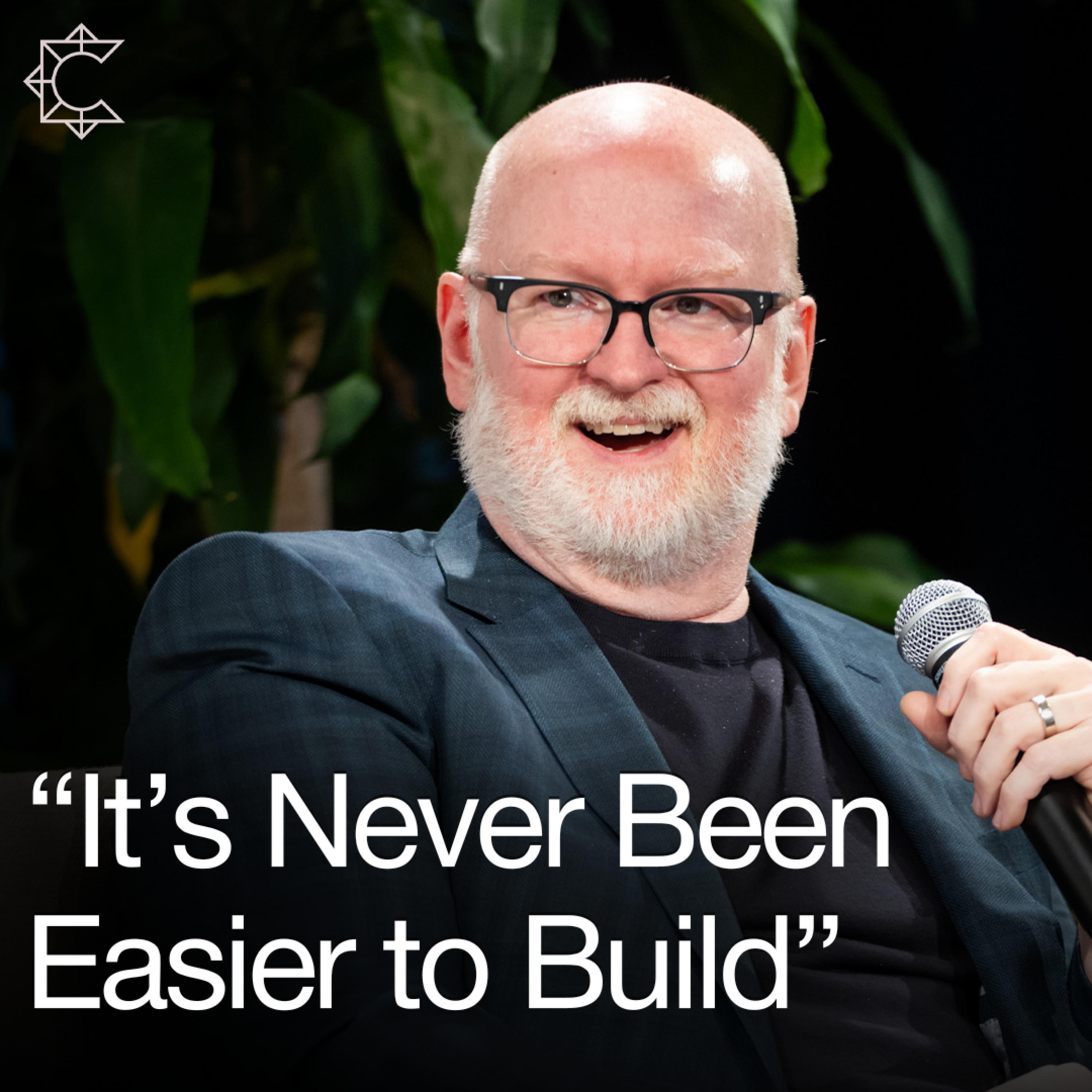
Beyond the equity stake and Azure revenue, Satya Nadella highlights a core strategic benefit: royalty-free access to OpenAI's IP. For Microsoft, this is equivalent to having a "frontier model for free" to deeply integrate across its entire product suite, providing a massive competitive advantage without incremental licensing costs.

OpenAI’s pivotal partnership with Microsoft was driven more by the need for massive-scale cloud computing than just cash. To train its ambitious GPT models, OpenAI required infrastructure it could not build itself. Microsoft Azure provided this essential, non-commoditized resource, making them a perfect strategic partner beyond their balance sheet.