Get your free personalized podcast brief
We scan new podcasts and send you the top 5 insights daily.
You don't need a detailed map to know you're on the wrong road. An intense, intuitive feeling that you're meant for something else—even without knowing what—is a sufficient reason to leave a safe, conventional path like college. Passion and ambition can be the drivers, with direction emerging later.

Related Insights
The common prompt 'what would you do if you couldn't fail?' encourages fantasy. A more profound question to identify your true calling is to consider what activity you are so intrinsically drawn to that you would pursue it even with the certainty of failure. This reveals your core compulsion and passion.

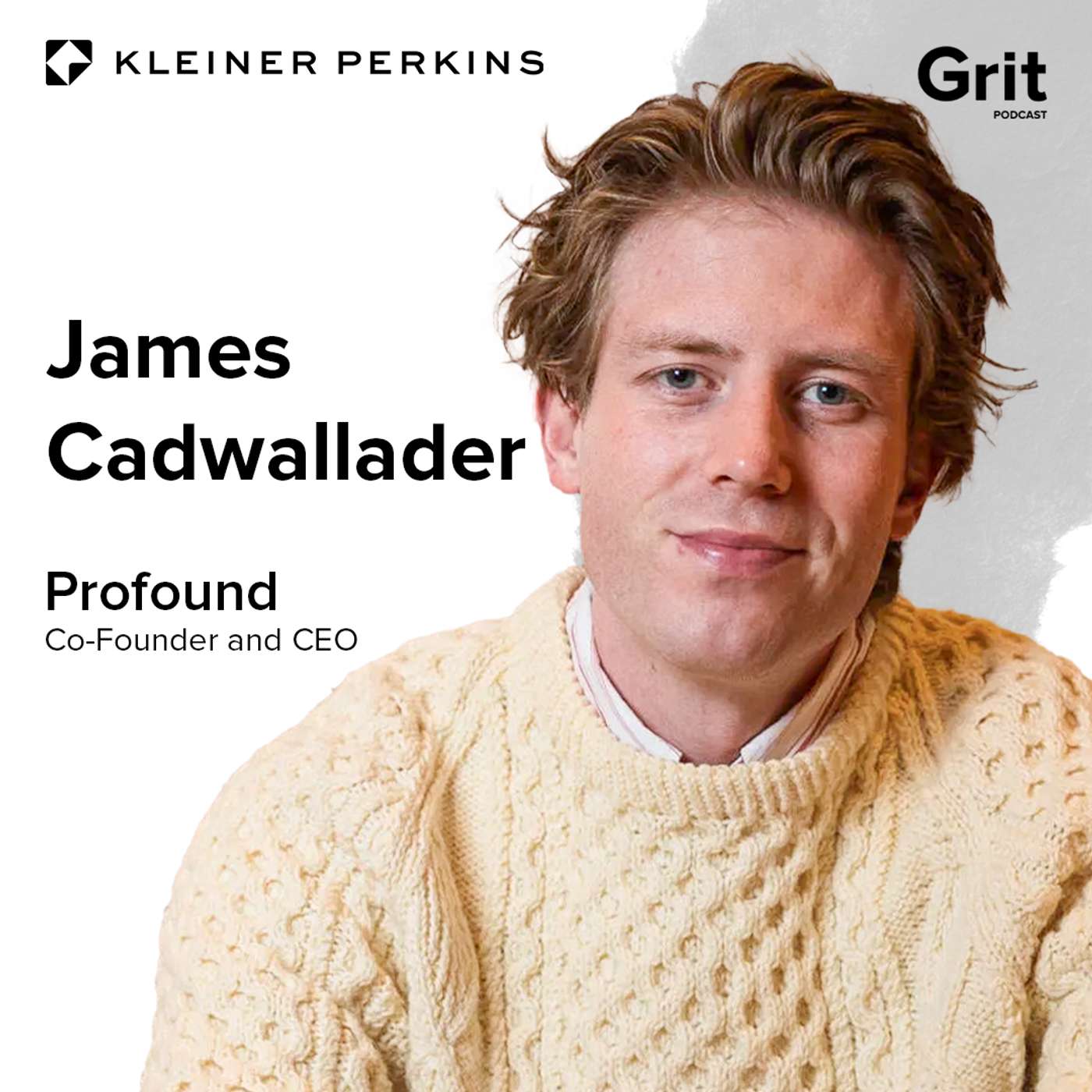
The Profound CEO's decision to start a door-to-door gold-selling business instead of attending university was a formative "breakout of the matrix moment." This early, unconventional success instilled a deep-seated belief that one can forge their own path without following a traditional script.
When facing a major career crossroads, the goal isn't to find the objectively "best" option, as it's unknowable. The key is to make a decision based on intuition, commit to it fully, and refuse to entertain "what if" scenarios about the paths not taken.

The need for external validation about dropping out of college signals a lack of the intrinsic conviction required for entrepreneurship. Truly committed founders don't ask for permission; they act on their vision, even if it feels terrifying.

Major career pivots are not always driven by logic or market data. A deeply personal and seemingly unrelated experience, like being emotionally moved by a film (Oppenheimer), can act as the catalyst to overcome years of resistance and commit to a challenging path one had previously sworn off.

Many people find their calling not by pursuing a lifelong dream, but through a process of discernment. This involves engaging in new experiences, reflecting on what provides fulfillment, and then using those insights to inform the next step in a continuous cycle of trial and error.

Life's default settings, like expected career paths, are powerful. To change course, you can't be tentative; you must reject the default with full force. Half-measures fail because the gravitational pull of the default is too strong to overcome accidentally.

Instead of a fixed long-term plan, orient your career around pursuing what genuinely excites you in the moment. This approach leads to a more authentic and fulfilling professional life, even if the path appears random from the outside. Stay open and wait for the excitement to appear, then commit fully.
Societal structures like the education system are designed for the average person. If you're in an outlier situation (e.g., poverty, family crisis), you must create your own unconventional path, as standard advice and timelines won't apply to your unique context.

Instead of searching for a predefined passion, identify the topics you have an insatiable and uncontrollable curiosity about. This innate interest is the strongest signal of what your life's work could be, even if it seems unconventional.
