Get your free personalized podcast brief
We scan new podcasts and send you the top 5 insights daily.
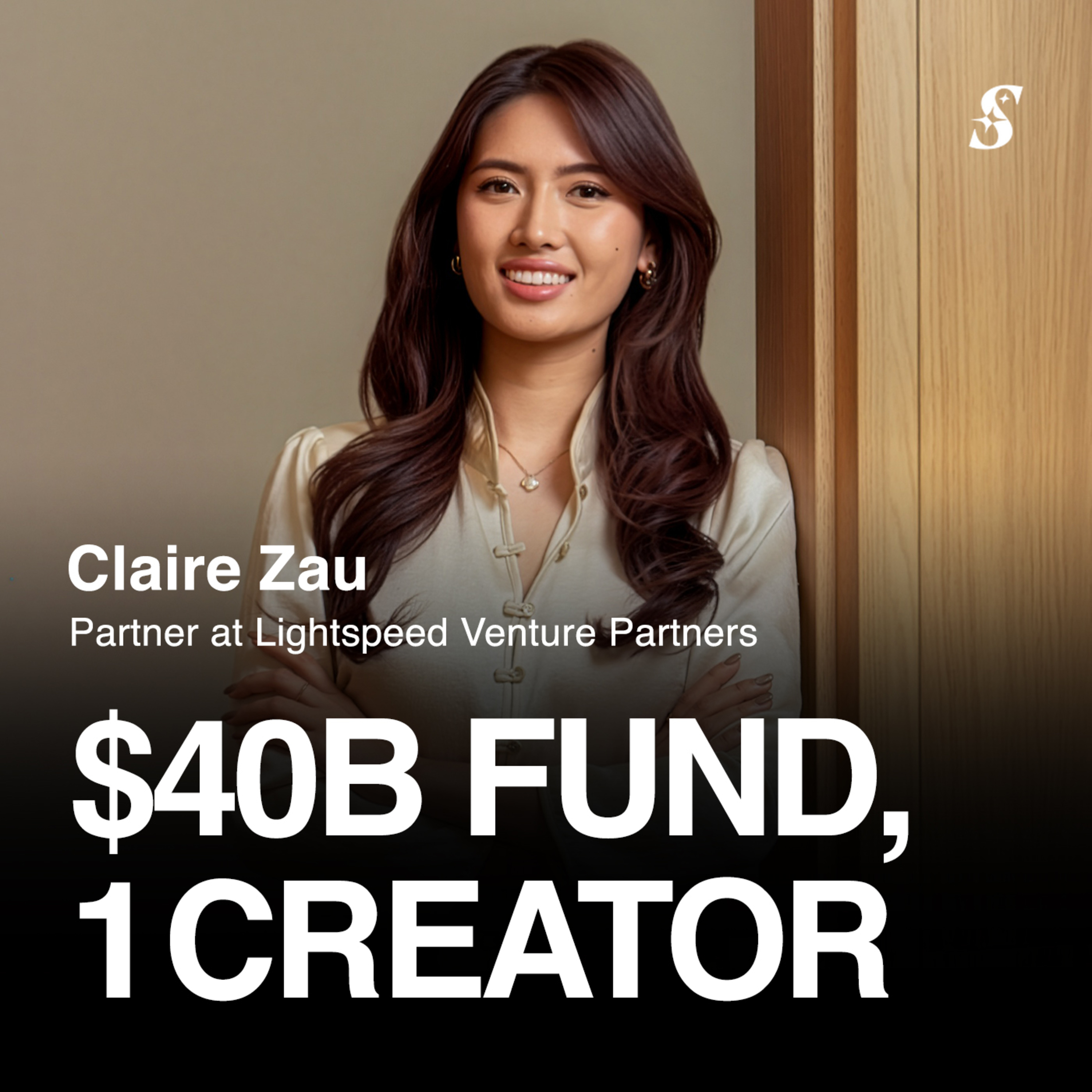
By creating mainstream tech content, Lightspeed aims to engage talent like college students and operators before they decide to start a company. This builds a wide, top-of-funnel community that can be systematically converted into future seed and pre-seed investment opportunities.
Related Insights
The 'Foundry' incubator is filmed as a reality show to build narratives around its entrepreneurs before their products launch. This strategy aims to make the founders heroes in the public eye, creating an audience and customer base before the company even goes to market.

To win the best pre-seed deals, investors should engage high-potential talent during their 'founder curious' phase, long before a formal fundraise. The real competition is guiding them toward conviction on their own timeline, not battling other VCs for a term sheet later.

A16z's content strategy allowed entrepreneurs to feel like they "knew" the partners before ever meeting them. This pre-established rapport is a powerful competitive advantage, creating a baseline of trust and alignment that competitors without a public voice lack. It transforms a cold pitch into a warm conversation.

Precursor Ventures makes "directional people bets" by investing smaller checks ($150-250K) in top-tier founders to fund their search for a viable business concept. This strategy prioritizes founder quality over the initial idea, recognizing that great founders can pivot to find product-market fit.
Reverse the traditional startup model by first building an audience with compelling content. Then, nurture that audience into a community. Finally, develop a product that solves the community's specific, identified needs. This framework significantly increases the probability of finding product-market fit.

In a market where capital is a commodity, early-stage founders prioritize VCs who provide an immediate, tangible edge. The most valuable contributions are warm introductions to land first customers, network access to secure the next round of funding, and unfiltered feedback from experienced operators.

The most potent source of new, truly cutting-edge investment opportunities isn't inbound emails or demo days, but rather the networks of the exceptional founders and scientists you've already backed. These individuals are at the frontier and can identify the next wave of talent.
![[REPLAY] Josh Wolfe – Seeing the Lux (Capital Allocators, EP.65) thumbnail](https://static.libsyn.com/p/assets/f/b/7/6/fb76e1c8bfb69e8dd959afa2a1bf1c87/CA_Square_logo_light_background_6.26.24.jpg)
An investment firm can build a powerful inbound deal flow engine by creating media like podcasts and consistent social content. This allows the firm to be more selective with its investments, which in turn becomes a core part of the value proposition to its own investors.

Private equity sourcing has become a tech-driven arms race of scraping data and sending cold emails, treating founders as mere inventory. A more effective, human-centric approach is to create valuable content that passively builds trust and relationships long before a founder is ready to sell. It's a 'give first, get second' model.

Small, dedicated venture funds compete against large, price-insensitive firms by sourcing founders *before* they become mainstream. They find an edge in niche, high-signal communities like the Thiel Fellowship interviewing committee or curated groups of technical talent. This allows them to identify and invest in elite founders at inception, avoiding bidding wars and market noise.
