Get your free personalized podcast brief
We scan new podcasts and send you the top 5 insights daily.
Danny Yeung argues that founders succeed by staying deeply involved and making bold moves a hired CEO would avoid. His pivot into the supplement category, against his board's advice, was a founder-level risk that a salaried executive would never have taken, but it ultimately saved the company.

Related Insights
Your number one job as a founder is simply to be right. This often means having the courage to make unpopular decisions based on your conviction, like Jeff Bezos did with Amazon Prime, even if it goes against the consensus of your team and investors.

Professional managers excel at managing a slow decline. Creating extraordinary outcomes requires a "refounding" with a founder-mode leader who occupies the "founder seat" to apply the necessary pressure for fundamental change, as seen with Microsoft's turnaround.

Managerial companies derive legitimacy from "the plan," creating enormous inertia against change. In founder-led companies, legitimacy is vested in the founder as an individual. This is their key structural advantage, allowing the entire organization to pivot on a dime based on conviction.
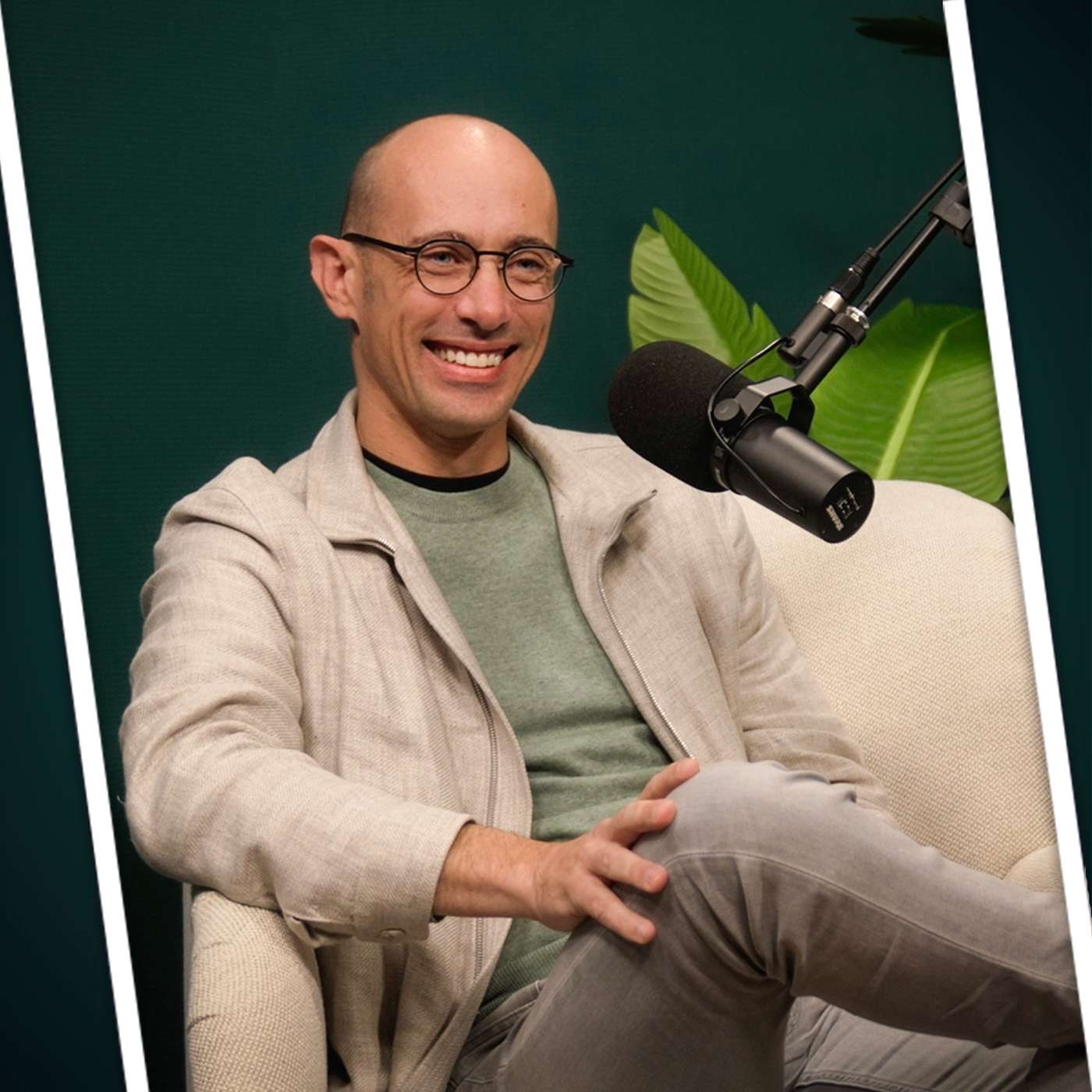
Danny Yeung successfully pivoted from e-commerce to DNA testing and then supplements. He convinced his skeptical board by relying on fundamental business principles like product quality and positioning, even without prior domain knowledge, arguing that his core skills were transferable.
When Steve Huffman returned to Reddit as CEO, the existing team was too scared of "ruining Reddit" to implement a much-needed content policy. As a co-founder, he possessed the unique credibility and authority to make bold, foundational changes that a non-founder couldn't, highlighting a founder's unique role in a company's evolution.

Even with full board support, a successor CEO may lack the intrinsic 'moral authority' to make drastic 'burn the boats' decisions. This courage is harder to summon without the deep-seated capital a founder naturally possesses, making company-altering transformation more challenging for an outsider.

The old model of replacing a founder with a 'professional CEO' is often flawed because it removes irreplaceable product insight. The modern approach is for founders to design their executive team to complement their unique strengths, ensuring they stay engaged for the long journey.

Paul Graham's "founder mode" (direct control) becomes impractical at scale. However, founders must recognize moments—like major pivots or acquisitions—where their unique combination of motivation, decision power, and market intuition is required to take actions that a delegated leader is not empowered to do.

Founders remain long after hired executives depart, inheriting the outcomes of past choices. This long-term ownership is a powerful justification for founders to stay deeply involved in key decisions, trusting their unique context over an expert's resume.

Hired managers optimize existing models, but founders are willing to reinvent the business entirely. During disruptive eras, like the current AI shift, founders are more likely to make the bold, necessary pivots to survive and thrive, while professional CEOs will be too conservative.
