Get your free personalized podcast brief
We scan new podcasts and send you the top 5 insights daily.
Even if wages outpace inflation, people feel worse off because they compare themselves not to the past, but to the extreme wealth they see online. Constant exposure to the lifestyles of the top 1% makes the bottom 90% feel like they are failing, fueling a societal "vibe-cession."

Related Insights
Widespread unhappiness and declining trust in institutions are fueled by social media, which algorithmically normalizes the top 0.1% lifestyle. This constant exposure to curated, unrealistic lives, or 'wealth porn,' creates an unachievable expectation gap, making people feel their own success is inadequate.

Young people face a dual crisis: economic hardship and a psychological barrage from social media's curated success. This creates a "shame economy," where constant notifications of others' fake wealth intensify feelings of failure, loneliness, and anxiety more than any other societal factor.
While technology improves life on an absolute basis, it paradoxically increases feelings of inadequacy. Social media exposes everyone to the lifestyles of the ultra-wealthy, shifting our happiness benchmark from local peers to a global elite and fueling relative dissatisfaction despite objective progress.

While wage data may contradict a crisis, people feel poorer because happiness equals prosperity minus expectations. Social media massively inflates expectations by normalizing the lifestyle of the top 0.1%, causing widespread feelings of financial failure.

Historically, financial comparison was contained within socioeconomically similar neighborhoods. Social media removes these geographic and social barriers, constantly exposing individuals to global, hyper-affluent lifestyles. This distorts the perception of 'normal,' making luxury seem common and fueling widespread feelings of financial inadequacy.
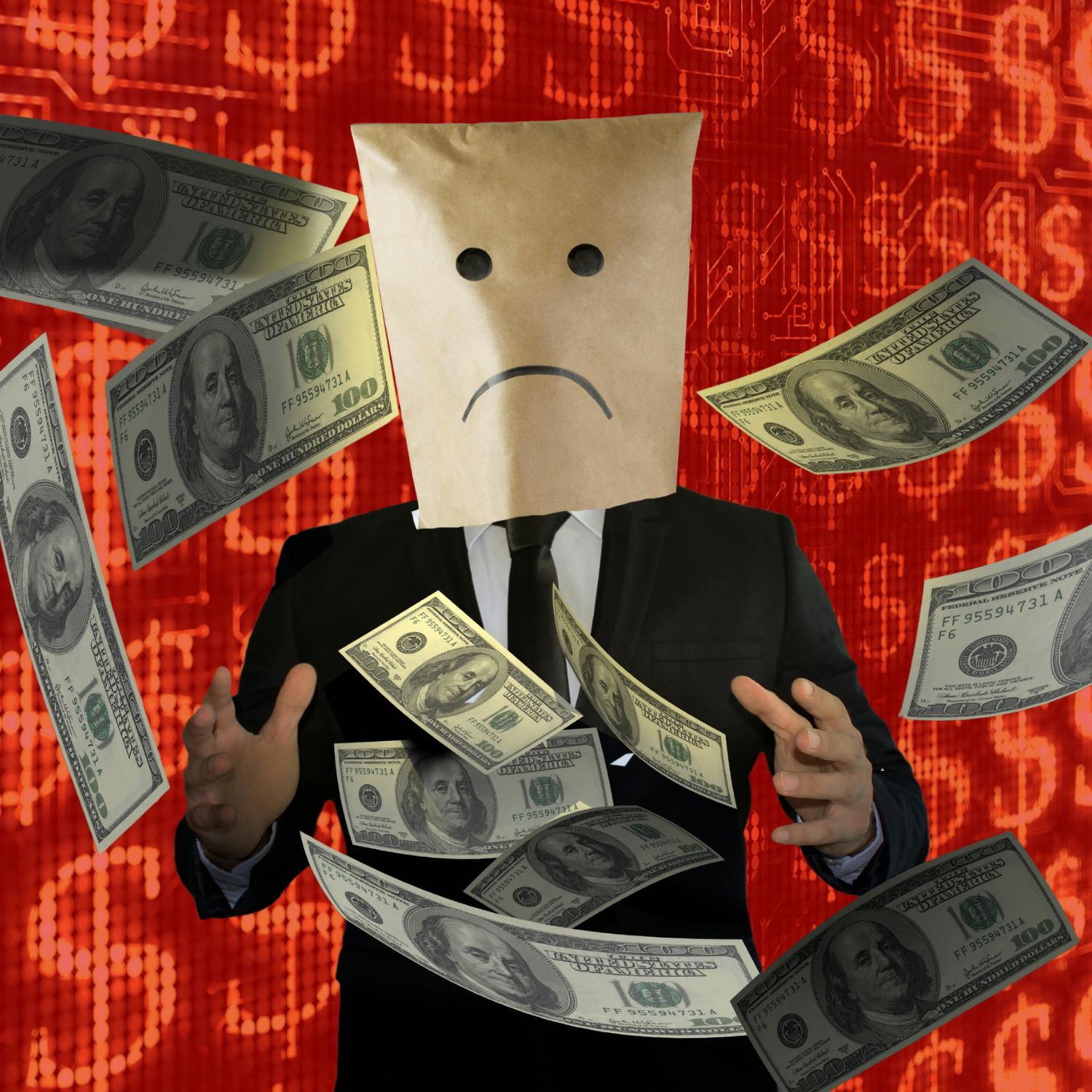
The public's frustration with affordability stems from a psychological disconnect. While wages have risen to match higher prices, people perceive the inflation surge as an unfair loss, failing to connect it to their own income gains. This creates a political challenge where economic data and public sentiment diverge.

Unlike seeing celebrities on TV, social media presents a curated highlight reel from the top 1% of people as if they are your peers. This normalizes exceptional outcomes, leading to widespread dissatisfaction when one's own life doesn't measure up to this impossible standard.

Despite data showing immense long-term progress, public sentiment is often negative. This disconnect arises because people judge their well-being relative to others, not to past generations. When economic gains are not broadly shared, the feeling of falling behind outweighs the reality of absolute improvement.

Unlike past generations who saw wealth displayed by unrelatable celebrities, social media drowns users in images of peers who appear richer and happier. This constant comparison to perceived equals, rather than distant idols, makes inequality feel more acute and personal.

Data shows Millennials and Gen Z have higher real wages than previous generations at the same age. Their economic anxiety stems from a perceived lack of clear career paths and a "vibe-cession" fueled by social media, not necessarily from worse economic data.
