Get your free personalized podcast brief
We scan new podcasts and send you the top 5 insights daily.
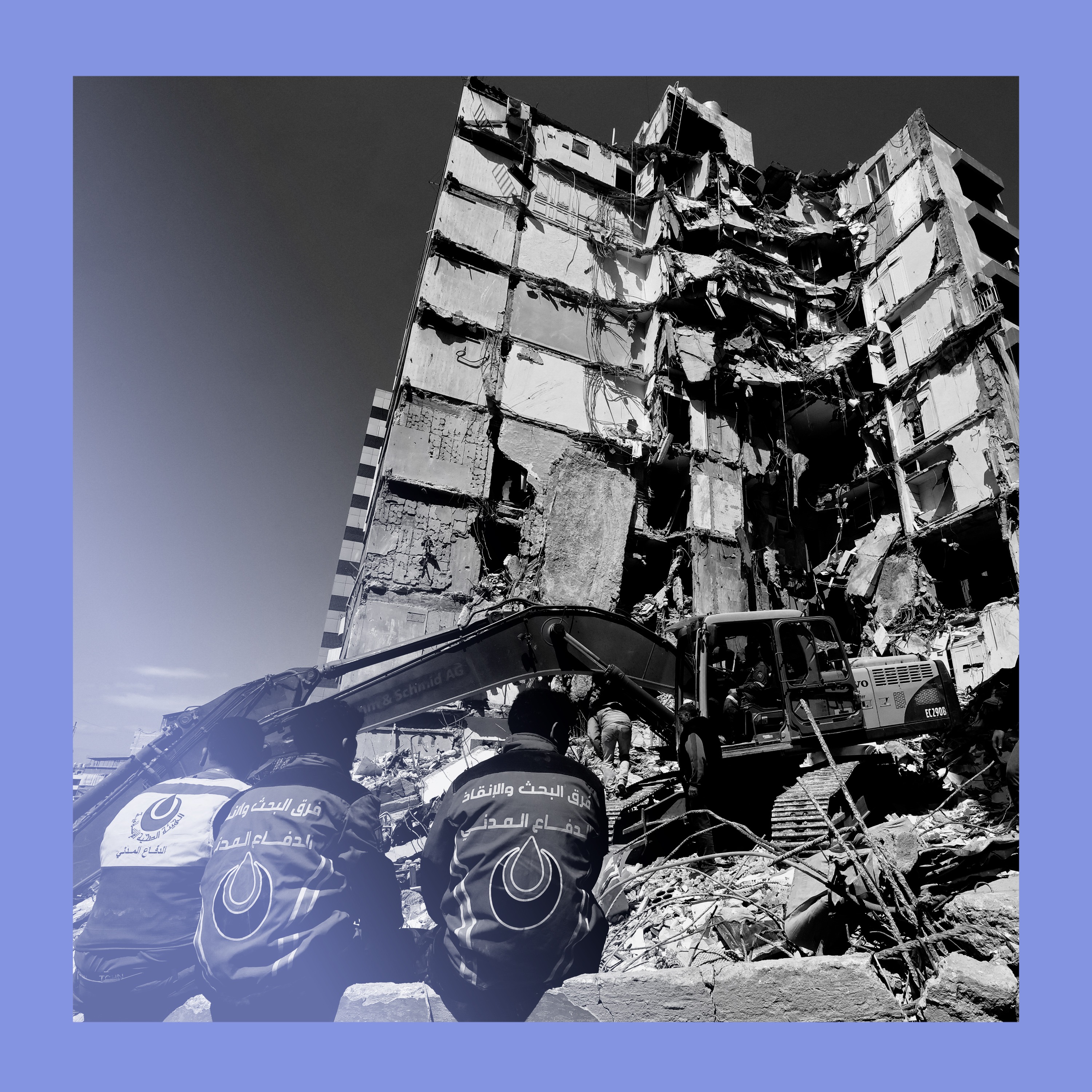
Psychiatrist and dissident Semyon Gluzman reported feeling the "same keen sense of freedom" in the punishment cells of a Soviet labor camp as in his Kyiv apartment during wartime blackouts. This reveals a profound paradox: for him, true freedom was an internal state of resistance, most acutely felt when external liberties were stripped away.
Related Insights
The strong motivation for Lithuanians to join paramilitary groups and prepare for invasion is deeply rooted in living memory of Soviet brutality. Family stories of deportation to Siberia and widespread killings have created a powerful, multi-generational resolve to prevent history from repeating itself, making freedom a tangible, non-negotiable value.

A core philosophical choice exists between authoritarian stability, which can lead to mass death (e.g., Mao's China), and individual freedom, which can result in societal mistakes and chaos. The speaker champions the latter, arguing that the cost of freedom is always worth paying compared to state-sanctioned oppression.

In the extreme isolation of solitary confinement, Shaka Senghor used journaling to question how he ended up in prison. This introspective process allowed him to challenge negative self-prophecies and reconnect with his authentic self, even in the harshest environment imaginable.
The key to enduring unavoidable hardship isn't to ignore it, but to find meaning in the experience. According to Viktor Frankl, who survived Nazi concentration camps, "suffering ceases to be suffering at the moment it finds a meaning." This attitude transforms personal tragedy from a breaking point into a source of growth, triumph, and resilience.

Imprisoned by the communist regime after WWII, Elżbieta "Zo" Zawacka transformed her prison into an educational institution. She taught illiterate inmates using potato prints and window steam, organized formal classes, and restored a sense of purpose, dramatically reducing suicides among prisoners.
Attempts by authoritarian regimes to silence artists like filmmaker Jafar Panahi often fail. His experiences of imprisonment and creative bans have been transmuted directly into his films. The very tools of oppression become the source of his art, turning punishment into a powerful and dignified act of resistance.
The Soviet state created a bogus medical diagnosis, "sluggish schizophrenia," to pathologize political dissent. This tactic allowed the regime to label human rights advocates as mentally ill and confine them to psychiatric prisons, effectively turning medicine into a tool of political repression.
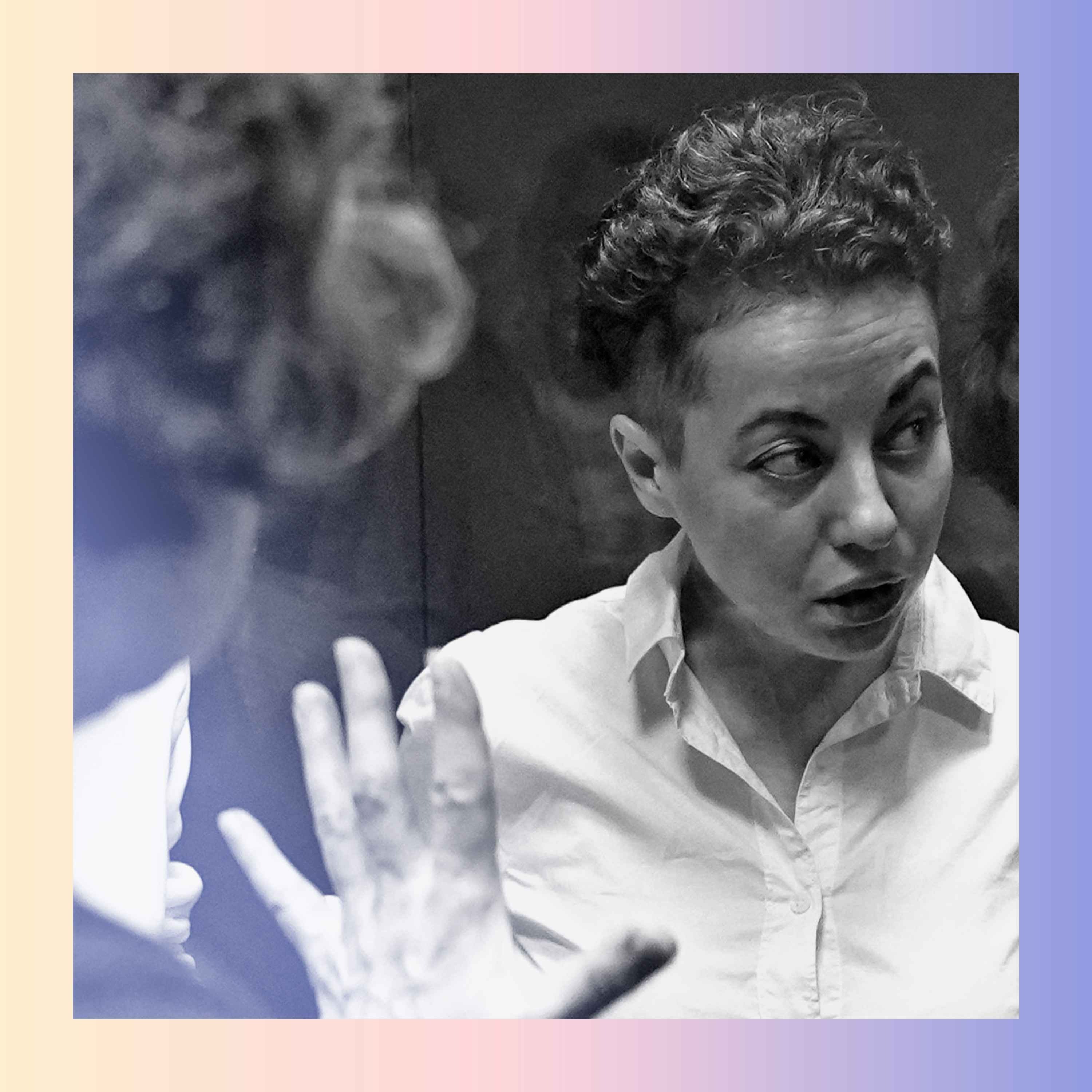
While many free-thinking Russians either fled the country or fell silent after the 2022 invasion, Evgenia Berkovich chose a third path: she stayed in Russia while continuing to write and create, including anti-war poetry. Her refusal to conform to the state-imposed dichotomy of exile or submission made her an intolerable example.
A key insight from Alexander Solzhenitsyn's work is that happiness is a fragile goal. In the brutal Soviet prison camps, those who clung to a deeper moral purpose maintained their humanity, even if it cost them their lives. The ultimate aim is not to survive at any cost, but to live a life of purpose.

Shaka Senghor reframes the experience of incarceration not as a defining event, but as a revealing one. It strips away everything superficial and exposes a person's core essence, particularly their innate resilience and will to overcome adversity.