Get your free personalized podcast brief
We scan new podcasts and send you the top 5 insights daily.
The strong motivation for Lithuanians to join paramilitary groups and prepare for invasion is deeply rooted in living memory of Soviet brutality. Family stories of deportation to Siberia and widespread killings have created a powerful, multi-generational resolve to prevent history from repeating itself, making freedom a tangible, non-negotiable value.

Related Insights
Russia portrays NATO's growth as an aggressive act of encirclement. This narrative, however, ignores that Eastern European nations eagerly joined NATO for protection, driven by Russia's long and brutal history of posing an existential threat to its neighbors. The expansion was defensive, not offensive.

Lithuania's national character can be understood through two dueling symbols: the "Sorrowful Jesus," representing a passive, pensive nature, and the "Vytis," a mounted knight symbolizing energetic action. This framework explains a tendency towards quiet endurance that can suddenly transform into unified, fierce resistance when a critical threshold is crossed.
Lithuania's national security strategy involves preparing every citizen, regardless of age or ability, to resist an invasion. This societal-level readiness, from civilian training to survival planning, acts as a powerful deterrent by signaling that any occupation would face widespread, sustained opposition from the entire population, not just the military.
Unlike other modern protest movements, Georgian demonstrators are culturally hesitant to use radical tactics like destroying property. This fear is a direct legacy of the violent 1989 Soviet crackdown that killed 21 people, creating a deep-seated psychological barrier to the escalation needed to challenge the regime effectively.
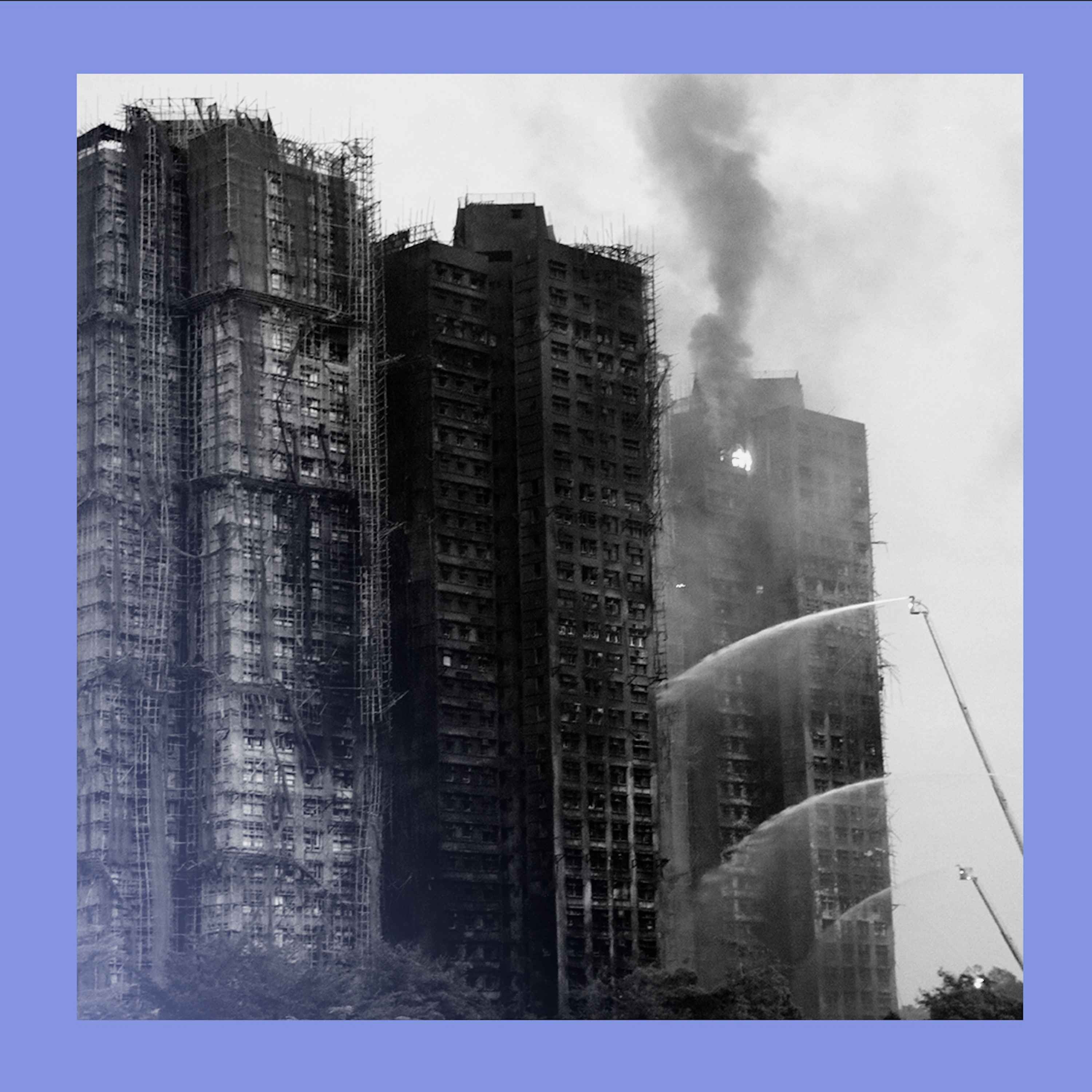
Civil defense courses in Lithuania extend far beyond basic first aid. They actively train civilians in asymmetric warfare tactics, such as identifying enemy military vehicles, disrupting logistics by removing road signs, collecting intelligence, and building psychological resilience against disinformation. This empowers ordinary citizens to become an active part of the resistance.
A key reason for past legislative success was that leaders shared a common identity forged in military service. Reinstating mandatory national service could create 'connective tissue' among diverse young people, fostering a unified identity as citizens first and foremost, before individual identity groups.

The core national anxieties of Russia and China are opposites, shaping their strategic cultures. Russia's history of devastating invasions fuels its fear of external threats (the "Mongol yoke"). China, haunted by centuries of civil war, fears internal chaos and the collapse of the state above all else.
Autocracies can achieve operational surprise, but democracies have a deeper strategic advantage: genuine, voluntary dedication. When attacked, citizens of democracies, from all walks of life, rush to defend their nation with an enthusiasm that cannot be commanded or coerced in an authoritarian state.

Jordan Jonas's grandparents lost their families in the Assyrian genocide but consciously chose not to pass down their trauma. Instead of focusing on grievance, they built a large, loving family centered on joy. This demonstrates that victims can choose to create a positive legacy rather than perpetuate a cycle of hate.

The drive to bolster national defense, such as building a new military training ground in Lithuania's strategic Suwalki Corridor, creates profound internal conflict. The state's security needs clash directly with citizens' property rights and their desire for peace, forcing emotional and divisive debates that can be exploited by adversaries.