Get your free personalized podcast brief
We scan new podcasts and send you the top 5 insights daily.
John Osher produced a $5 electric toothbrush because his previous venture, spinning lollipops, made him a massive buyer of small motors and batteries. This scale allowed him to pay pennies on the dollar for components, a supply chain advantage competitors couldn't replicate.

Related Insights
John Osher's first business succeeded by selling 19-cent earrings for $4.99, establishing high perceived value. A competitor sold the same item for 39 cents and failed. This shows that pricing should reflect what the market will bear, not just your cost of goods.
Dell's direct model meant their components were just days old, while competitors' parts sat in channels for 90 days. This gave Dell both a cost advantage (component prices fall over time) and a product advantage (selling the latest chips), a combination competitors couldn't understand or replicate.

You don't need massive scale to achieve group-purchasing power. By finding another company with a similar order and simply doubling the volume presented to a factory, a sourcing platform can negotiate price drops of 20-30%. This makes demand aggregation highly effective even at an early stage.
Novonesis' ingredients are critical performance drivers—defining a yogurt's texture or a detergent's cleaning power—but represent only 1-5% of the customer's cost of goods sold. This low-cost, high-impact dynamic creates immense pricing power and customer stickiness.
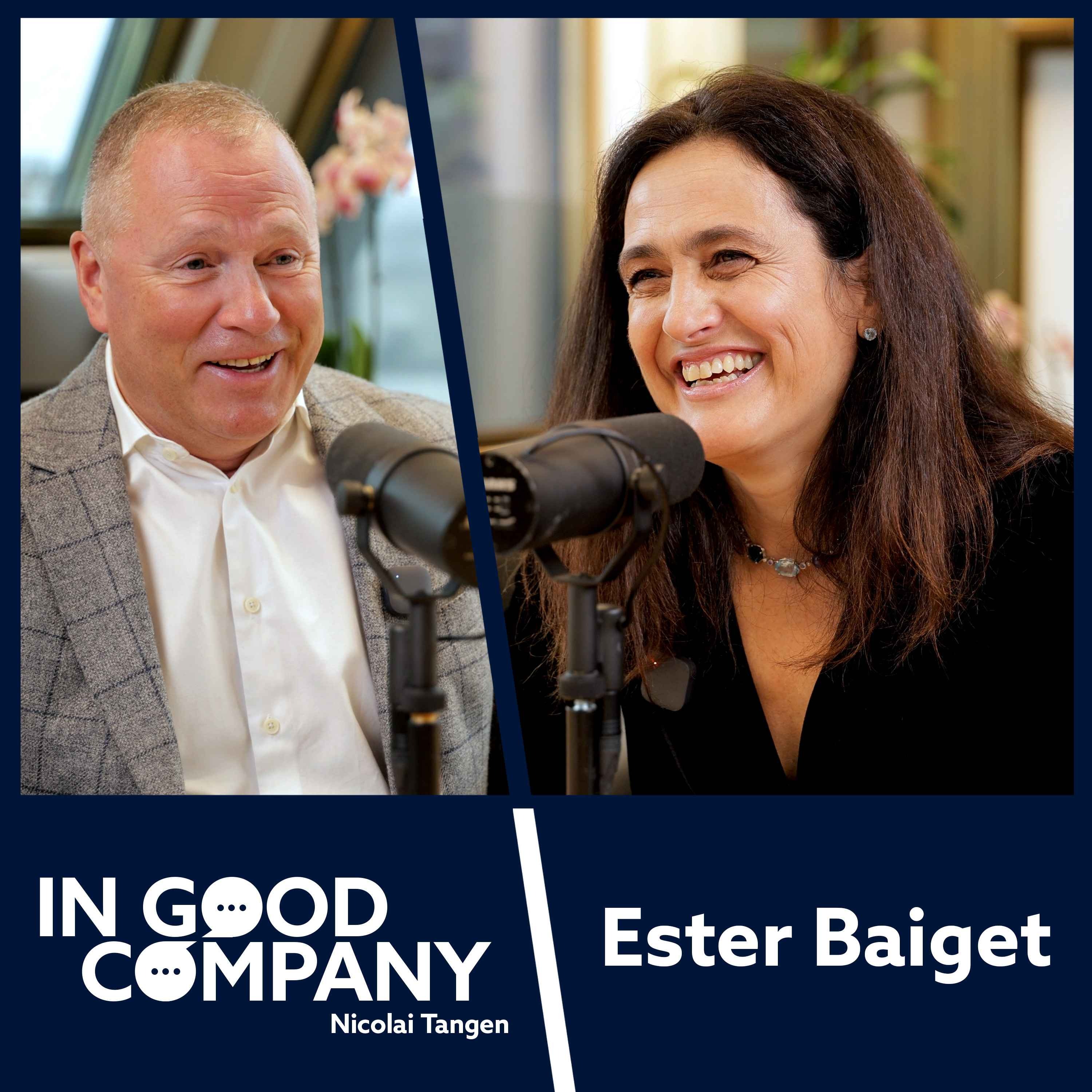
For D2C fashion brands, the inability of third-party suppliers to quickly fulfill reorders on trending products is a key trigger for vertical integration. Larroudé's co-founder realized the cost of one large factory order was equivalent to buying the machinery himself, enabling them to meet demand in weeks, not months.
By taking apart an IBM PC as a teenager, Dell realized it was merely assembled from third-party parts. Calculating the component costs revealed IBM's massive markup, creating the market opening for a lower-cost, direct-to-consumer competitor. This highlights the power of first-principles analysis.
John Osher didn't try to make a cheaper version of the $80 electric toothbrush. Instead, he positioned the $5 Spinbrush as a superior alternative to the $3 manual toothbrush. This re-framing of the competitive landscape created an entirely new market category.
The founder of BuzzBalls built a massive CPG brand by rejecting the typical asset-light model. By vertically integrating and producing her own patented plastic containers and spirits, she maintained quality control and supply chain reliability. This demonstrates a powerful, though less common, path to success for bootstrapped CPG founders.
A key competitive advantage for cocktail brand Buzz Balls was owning its supply chain. The founder brought the production of both the patented spherical plastic containers and the spirits in-house. This strategic move ensured quality and reliability, a challenge where most D2C founders fail by remaining dependent on co-packers.

Elf maintains low prices by embedding its own quality control and lean manufacturing teams within partner supplier facilities. This hybrid model gives them a high degree of control over cost and speed, allowing them to sell products like a $3 lipstick profitably, even amidst inflation and tariffs.
