Get your free personalized podcast brief
We scan new podcasts and send you the top 5 insights daily.
A tech entrepreneur entering DC was baffled by the term "policy entrepreneurship," viewing it as the default way to work. He quickly learned that most in government manage a "portfolio" of issues, rather than working backward from a specific, desired outcome they want to create in the world.

Related Insights
Veteran advisor Bradley Tusk argues that successful startup lobbying is not about technology's merits, but about a politician's self-interest. The key is to demonstrate how approving the startup's agenda helps a politician win their next election, or how blocking it will hurt their chances.

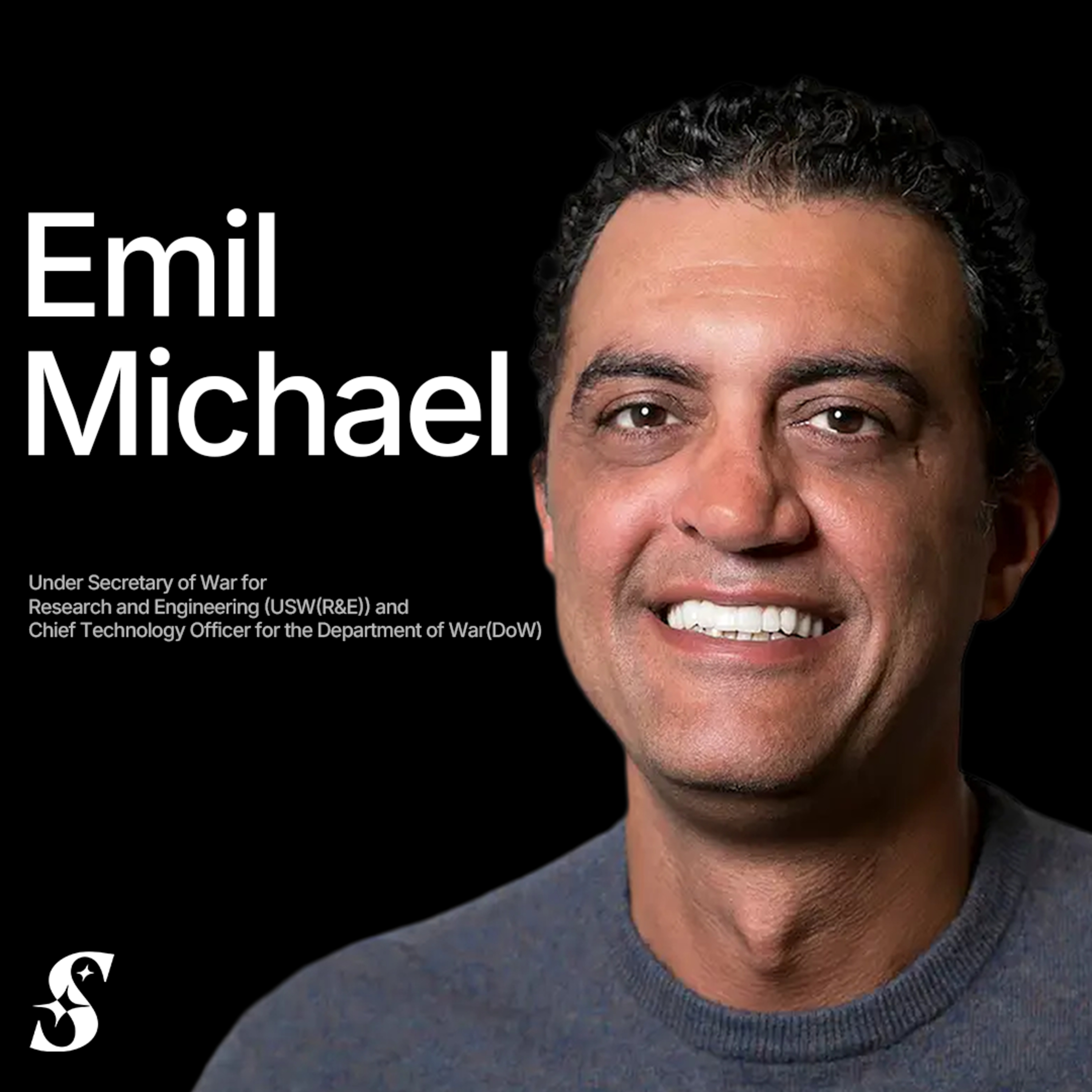
The Under Secretary of War, a former Uber executive, likens his government role to his startup experience. The key parallel is being a "political disruptor" who examines a massive, entrenched bureaucracy like the Department of War with a "clean sheet of paper," questioning existing processes and empowering change from first principles.
Selling to government is counterintuitive for impatient founders. Government can't fail or be disrupted in the same way. The winning strategy is to first solve an urgent, existing problem within their constraints, build trust, and then gradually introduce broader innovation.

Unlike politics, where ideology can persist despite failure, entrepreneurship demands a strict adherence to what works. The need to make payroll and avoid business failure forces an honest assessment of cause and effect, a discipline often missing from public policy debates.

Recognizing that policy change is difficult, IFP adopts a venture capital mindset. They maximize their "shots on goal" on high-expected-value policies, accepting a low success rate. The few major wins they achieve are impactful enough to justify the entire portfolio of attempts.
Engineering problems have clear outcomes that can be reverse-engineered. Most policy challenges are design problems, requiring exploration and iteration to find a solution. Framing policy this way allows for flexibility and user-centered solutions rather than rigid compliance.

In government, digital services are often viewed as IT projects delivered by contractors. A CPO's primary challenge is instilling a culture of product thinking: focusing on customer value, business outcomes, user research, and KPIs, often starting from a point of zero.
A more effective policymaking model is "outcomes-driven legislation," where lawmakers define a goal and give agencies freedom to achieve it. The current model, which specifies every rule, locks agencies into rigid, inefficient processes, especially when legislators disagree on the ultimate goal.
Different government offices have their own incentives. The comms team wants a great visual, speechwriters want a compelling "factoid," and event teams want a successful fly-in. An effective policy entrepreneur provides these teams with what they need, embedding their policy ideas within those deliverables.
A former White House advisor noted that the core theories behind major policies are often well-established. The true challenge and critical skill is navigating the complex government process—the interagency meetings and procedures—to translate an idea into official action.