Get your free personalized podcast brief
We scan new podcasts and send you the top 5 insights daily.
Don't try to force unconventional, high-impact individuals into a standard role. Instead, create an environment that can handle their "spikiness." Like Liam Neeson in "Taken," they have a special set of skills; your job is to aim them at the right problem, not ask them to buy groceries.

Related Insights
Most founders hire senior talent by looking for a lack of weakness. A better approach is to first define the single most critical superpower the role requires. Then, search for a candidate who is a superstar at that one thing, even if they have deficiencies elsewhere.

Top performers are frequently challenging to manage, but their output justifies the difficulty. Don't build a company full of them, as they are expensive and can create chaos. However, strategically hiring these 'divas' is crucial for driving exceptional results, as their performance outweighs the complaints they generate.

Instead of forcing conformity, create an environment where diverse specialists—the "wildflowers"—can thrive. The leader's job is not to standardize but to cultivate a space where each person's unique genius can flourish and interact, leading to more interesting outcomes.

Applovin's CEO believes top performers don't need traditional management like one-on-ones, performance reviews, or structured L&D programs. 'A players' are defined by their curiosity and ability to figure things out independently. Providing process and hand-holding caters to the wrong type of employee.

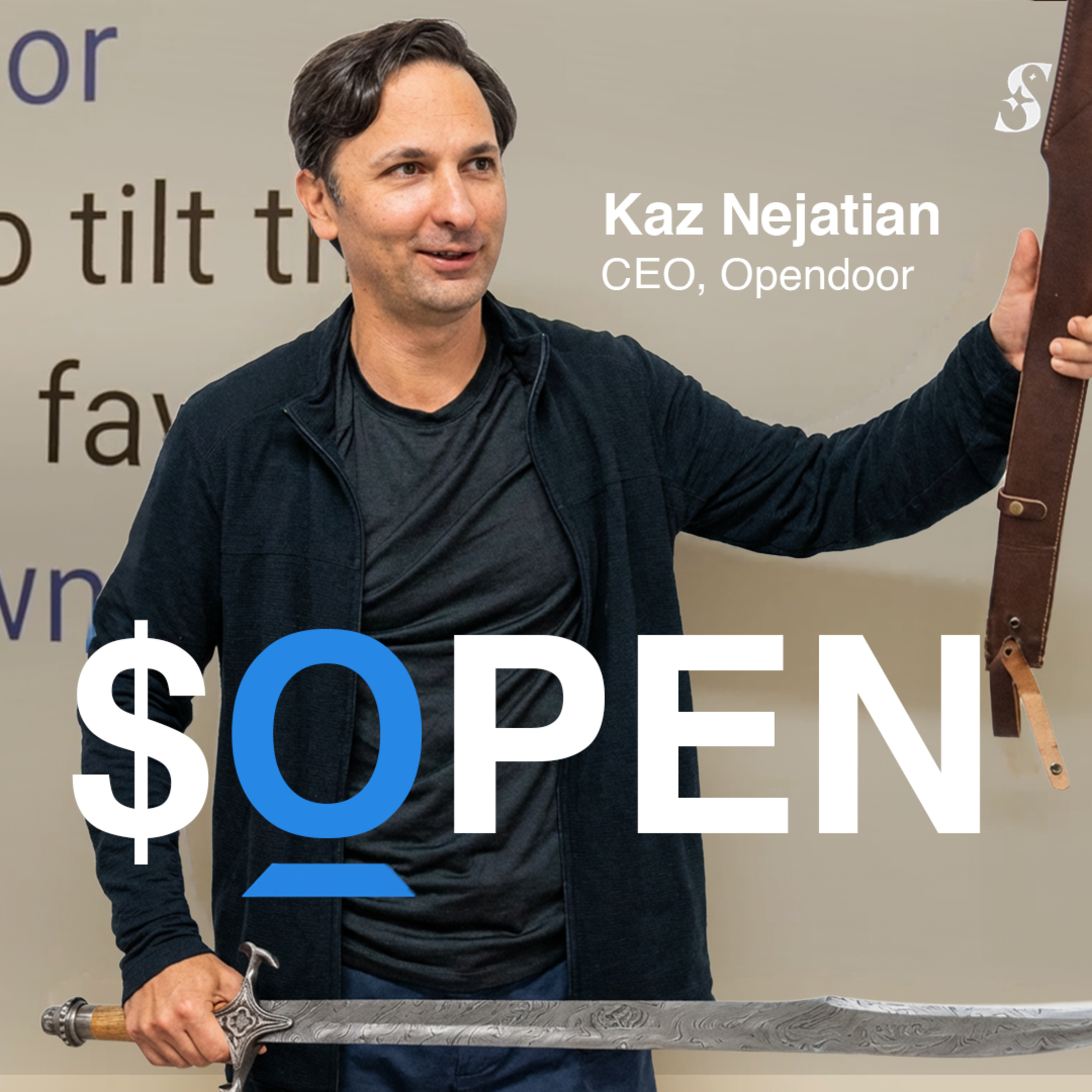
Rather than trying to become a well-rounded, traditional leader, Opendoor's CEO focuses on sharpening his unique "edges." He then surrounds himself with people who are "edgy" in complementary ways, creating a balanced team of focused experts rather than a bland group of generalists.
Exceptional talent can be like orchids—capable of incredible beauty but fragile and needing a precise environment to flourish. Rather than expecting them to be resilient "dandelions," a leader's job is to act as a "wild gardener," designing the perfect context for their unique needs.

Gary Vaynerchuk argues against generic business advice for talent. His approach is to deeply understand an individual's personality and goals first, then build a strategy around their unique truth, rather than imposing a standard playbook.

Instead of feeling frustrated by what team members lack, effective leaders focus on finding roles where their people's innate "encodings" can shine. This shifts the work from trying to change people to aligning their responsibilities with their natural capacities, leading to awe and gratitude rather than frustration.
The most valuable creative talent is often the most difficult to manage. Forcing everyone into a mold of the 'good corporate citizen' engineers mediocrity. A key leadership skill is managing peculiar, non-conformist individuals who drive disproportionate value.

Top talent isn't attracted to chaos; they are attracted to well-run systems where they can have a massive impact. Instead of trying to "hire rockstars" to fix a broken system, focus on building a systematic, efficient company. This is the kind of environment the best people want to join.
