Get your free personalized podcast brief
We scan new podcasts and send you the top 5 insights daily.
Beyond raw intelligence, AppLovin seeks candidates with low ego, as this trait enables them to listen, take feedback, and question themselves—all crucial for growth. The third, equally important criterion is how they respond to adversity, as resilience is a key predictor of success in a challenging environment.

Related Insights
Deel's hiring philosophy filters for what they call "default optimism." CEO Alex Bouaziz believes that when navigating the inevitable challenges of a startup, you need people who naturally default to a positive outlook rather than a negative one, fostering a more resilient and enjoyable work environment.

As a company scales, there's a temptation to hire for big-name credentials. Instead, Hims' CEO prioritizes candidates who have demonstrated grit and resilience through chaotic, high-pressure situations, valuing these "builders" over polished, non-startup "strategists."

Prioritize hiring generalist "athletes"—people who are intelligent, driven, and coachable—over candidates with deep domain expertise. Core traits like Persistence, Heart, and Desire (a "PhD") cannot be taught, but a smart athlete can always learn the product.

Prioritize candidates who have navigated difficult situations. They learn more from tough times than from being at a constantly successful company where mistakes might be masked by overall growth. Adversity builds crucial problem-solving skills and resilience that are invaluable to a growing organization.
To succeed in its proprietary sourcing model where the default answer is often "no," TA Associates specifically hires individuals who have overcome adversity. They believe this trait builds the necessary resilience and motivation to persist through constant rejection without losing drive.

In a fast-moving environment, Larroudé prioritizes hiring people who admit what they don't know rather than bluffing. They also seek candidates who, when in crisis, proactively look for solutions instead of panicking. These traits, combined with non-negotiable ethics, indicate success in a scrappy culture.
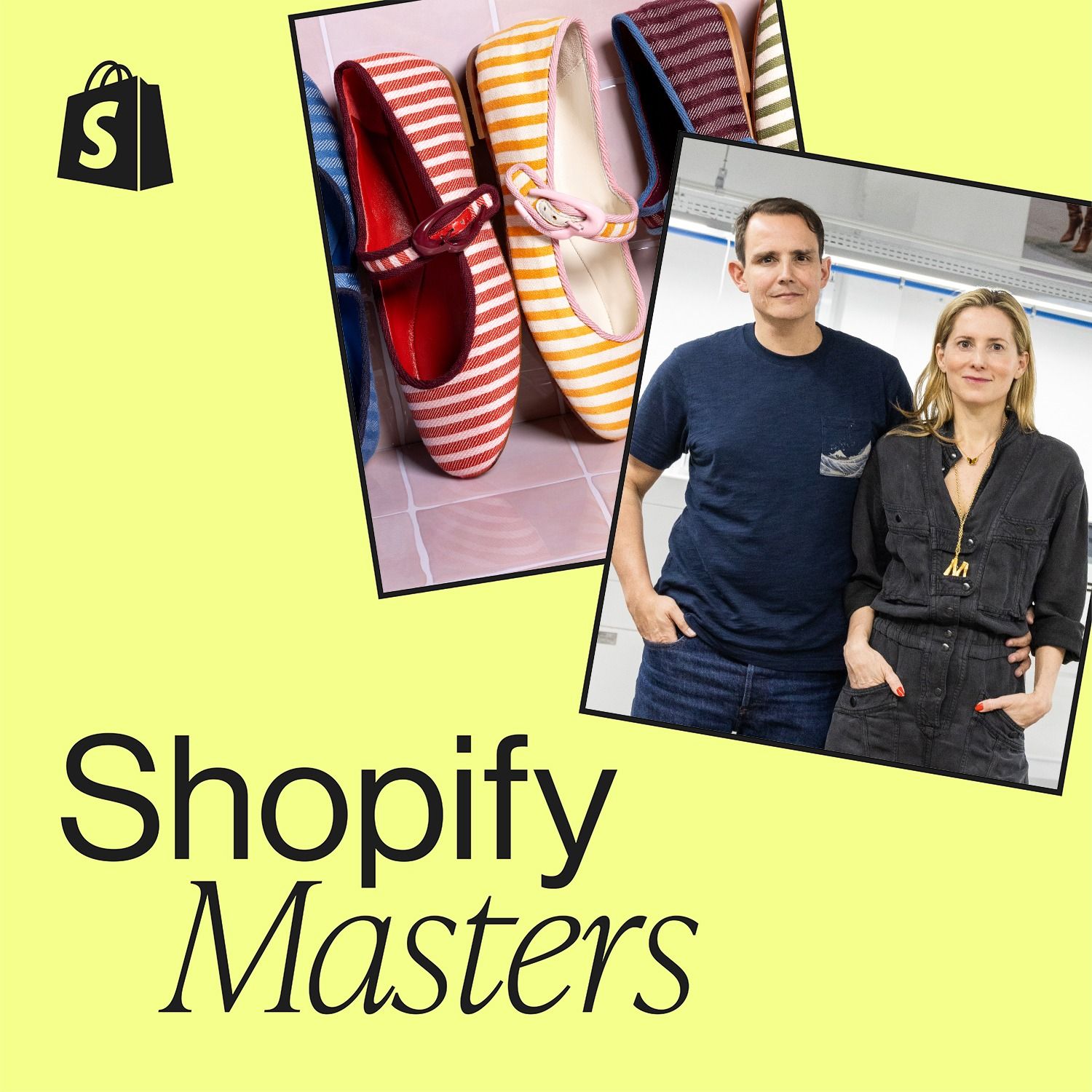
The speaker learned to hire for innate personality traits like coachability and work ethic, which are nearly impossible to teach. Skills, on the other hand, can be developed through training. This reverses the common hiring approach of prioritizing a candidate's existing skills and experience.

The "attitude vs. aptitude" debate is misleading. Hire the person with the smallest skill gap for the role. For complex roles, hire for intelligence (defined as rate of learning), as smart people can bridge any skill or attitude gap faster.

Beyond IQ and EQ, interview for 'Resilience Quotient' (RQ)—the ability to persevere through setbacks. A key tactic is to ask candidates about their proudest achievement, then follow up with, 'What would you do differently?' to see how they navigated strife and learned from it.

Zipline prioritizes innate characteristics—practical problem-solving, fast learning, low ego, and mission drive—over specific experience. By the time a new hire is onboarded, the job they were hired for has often changed, making adaptable traits far more valuable for success.
