Get your free personalized podcast brief
We scan new podcasts and send you the top 5 insights daily.
As illustrated by Black Duck's pivot from license compliance to security after a meeting with JP Morgan, leaders must be ready to overhaul strategy based on a single, powerful customer insight. This requires listening for the 'why' behind a customer's usage, not just the 'what.'

Related Insights
Doppel initially sold to trust & safety and legal teams. However, they realized cybersecurity teams were the "power users" who derived the most value, evangelized the product, and were willing to spend more. This insight drove their successful pivot to the cybersecurity market.

Okta's major strategic pivot to focus on AI agent identity wasn't born in a boardroom. CEO Todd McKinnon began casually mentioning the idea at the end of customer meetings. The immediate, intense interest from customers, compared to his main pitch, convinced him to completely reorient the company's direction.

At the end of customer conversations, asking this simple, open-ended question can reveal larger, more urgent problems than the one you initially intended to solve. For MobileIron, it led to focusing on the iPhone; for BlueRock, it pointed them toward AI security, proving its power in finding true market needs.

Avoid the trap of building features for a single customer, which grinds products to a halt. When a high-stakes customer makes a specific request, the goal is to reframe and build it in a way that benefits the entire customer base, turning a one-off demand into a strategic win-win.

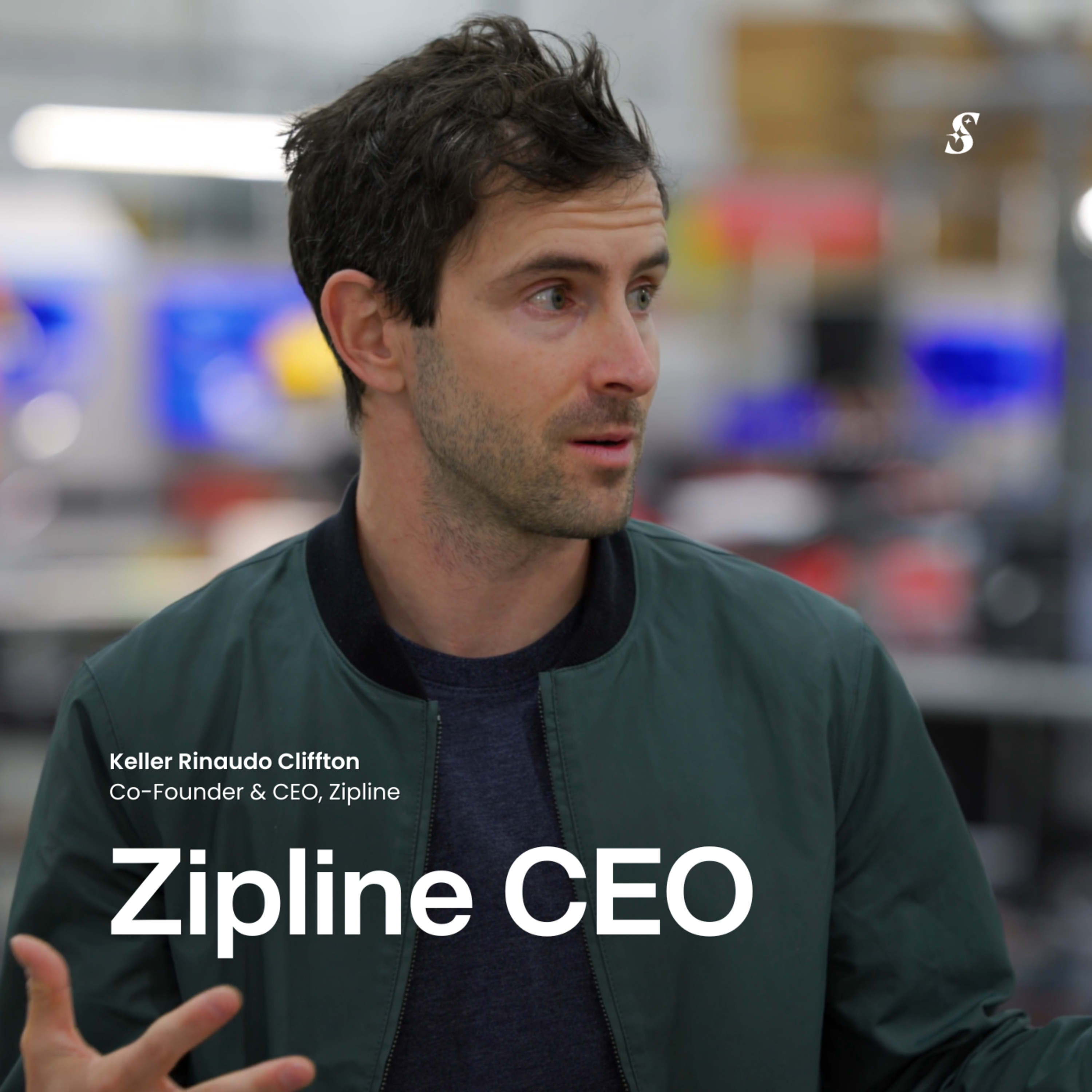
For years, global health experts told Zipline their idea was stupid and would fail. The breakthrough came from listening to a customer—Rwanda's Minister of Health—who gave them a single, critical problem to solve: "Just do blood." This narrow focus was the key to proving their value against broad expert dismissal.
Dynamic Signal's successful pivot from influencer marketing to employee advocacy came from accidentally discovering that employees were their most engaged and consistent users. The real opportunity was revealed by observing unplanned behavior, not by executing the original strategy.

Product-market fit can be accidental. Even companies with millions in ARR may not initially understand *why* customers buy. They must retroactively apply frameworks to uncover the true demand drivers, which is critical for future growth, replication in new segments, and avoiding wrong turns.

B2B offerings are always a means to an end. By repeatedly asking 'why' a customer wants your product, you can uncover their core aspiration (e.g., increased market cap). This allows you to reframe your offering as a transformation that helps them achieve that ultimate business goal.

When customers actively work around your product's intended functionality to solve a different problem, it's a powerful indicator of a more significant market need. Following this user behavior can lead to a successful pivot.

When a CEO dismisses market feedback in favor of their own vision, product leaders can create change. Consistently presenting direct data and quotes from numerous customer conversations makes it difficult for executives to ignore the market's real problems.
