Get your free personalized podcast brief
We scan new podcasts and send you the top 5 insights daily.
When customers actively work around your product's intended functionality to solve a different problem, it's a powerful indicator of a more significant market need. Following this user behavior can lead to a successful pivot.

Related Insights
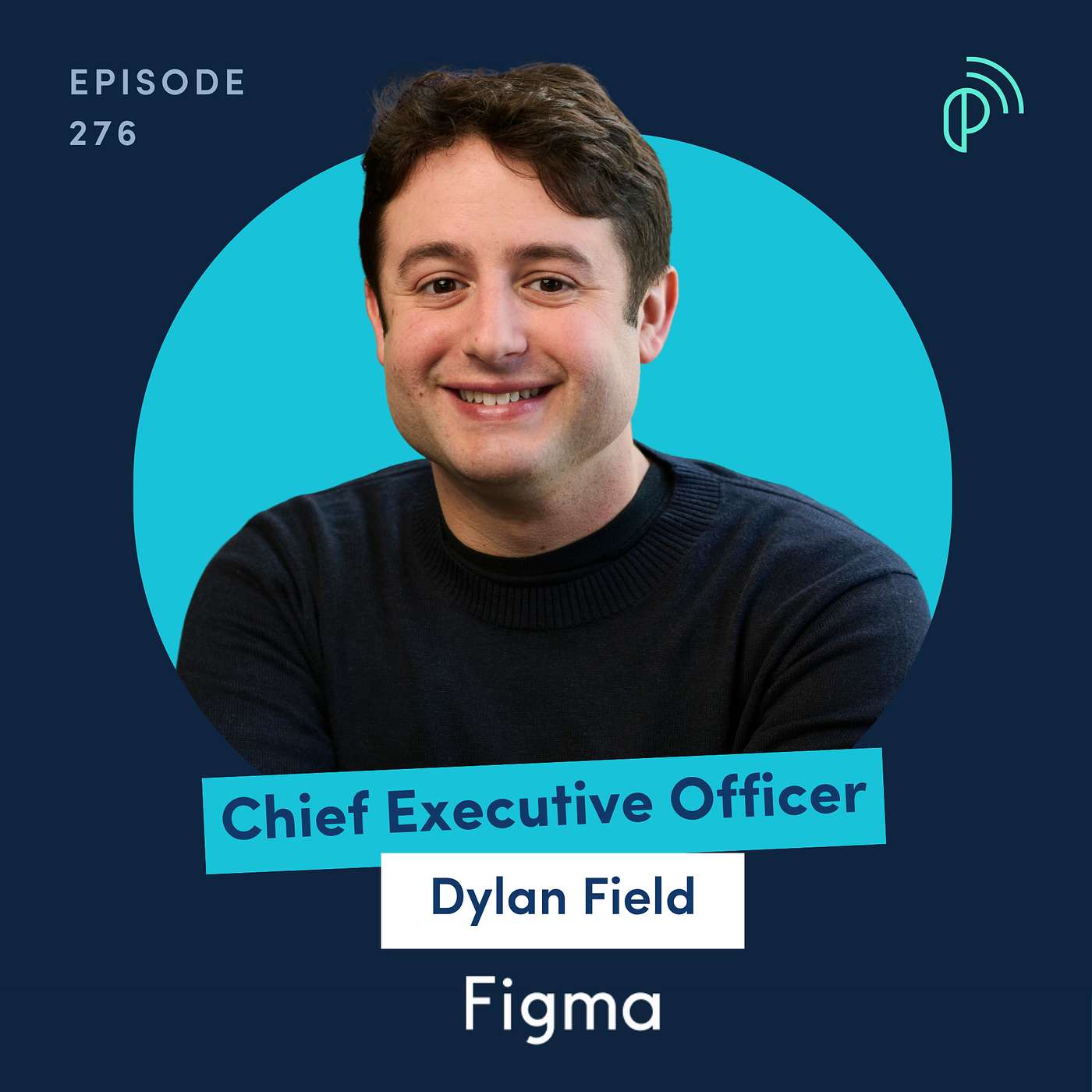
Figma's expansion into multiple products (FigJam, Slides) wasn't based on abstract strategy but on observing users pushing the main design tool to its limits for unintended use cases. Identifying these 'hacks' revealed validated market needs for dedicated products.
Instead of inventing new features, Prepared identified its most lucrative expansion opportunity by seeing users' painful workarounds. They noticed 911 dispatchers manually copy-pasting foreign language texts into Google Translate—a clear signal of a high-value problem they could solve directly.

When a product addresses a significant need, early adopters will actively help you fix bugs and overcome hurdles. This intense engagement, despite product immaturity, is a powerful indicator of product-market fit. Users are willing to go "above and beyond" because the outcome is so valuable to them.

Intentionally create open-ended, flexible products. Observe how power users "abuse" them for unintended purposes. This "latent demand" reveals valuable, pre-validated opportunities for new features or products, as seen with Facebook's Marketplace and Dating features.

At the end of customer conversations, asking this simple, open-ended question can reveal larger, more urgent problems than the one you initially intended to solve. For MobileIron, it led to focusing on the iPhone; for BlueRock, it pointed them toward AI security, proving its power in finding true market needs.

Scribe started by building workflow automation, viewing documentation as a simple byproduct. Customers, however, found the automation only incrementally valuable but saw the documentation as a game-changing solution. Listening to this strong user pull led to the company's successful pivot.

Users often develop multi-product workarounds for issues they don't even recognize as solvable problems. Identifying these subconscious behaviors reveals significant innovation opportunities that users themselves cannot articulate.

Founders who've built a product but aren't seeing traction should stop focusing on the product. Instead, they must leverage their market knowledge to find the real customer demand, even if it means scrapping prior work. This pivot can unlock massive growth, as seen with a startup that went 0 to $34M ARR.

Identify how users are already "hacking" your product for unintended purposes (e.g., using Facebook Groups for commerce), then build dedicated features to serve that existing intent. You can't make people do new things, but you can help them do what they already want to do more easily.

Dynamic Signal's successful pivot from influencer marketing to employee advocacy came from accidentally discovering that employees were their most engaged and consistent users. The real opportunity was revealed by observing unplanned behavior, not by executing the original strategy.
