Get your free personalized podcast brief
We scan new podcasts and send you the top 5 insights daily.
The collapse of SaaS isn't just a sector issue; it's a symptom of AI-driven deflation. While this crushes highly-levered SaaS companies, it allows enterprises to slash software budgets and reinvest that capital into core business growth, ultimately expanding other parts of the economy.

Related Insights
As SaaS firms use AI to optimize operations, they feed models data on how their products are built. This creates a deflationary spiral where customers can use the same AI to build cheaper alternatives, threatening the core SaaS business model by accelerating price and profitability compression.
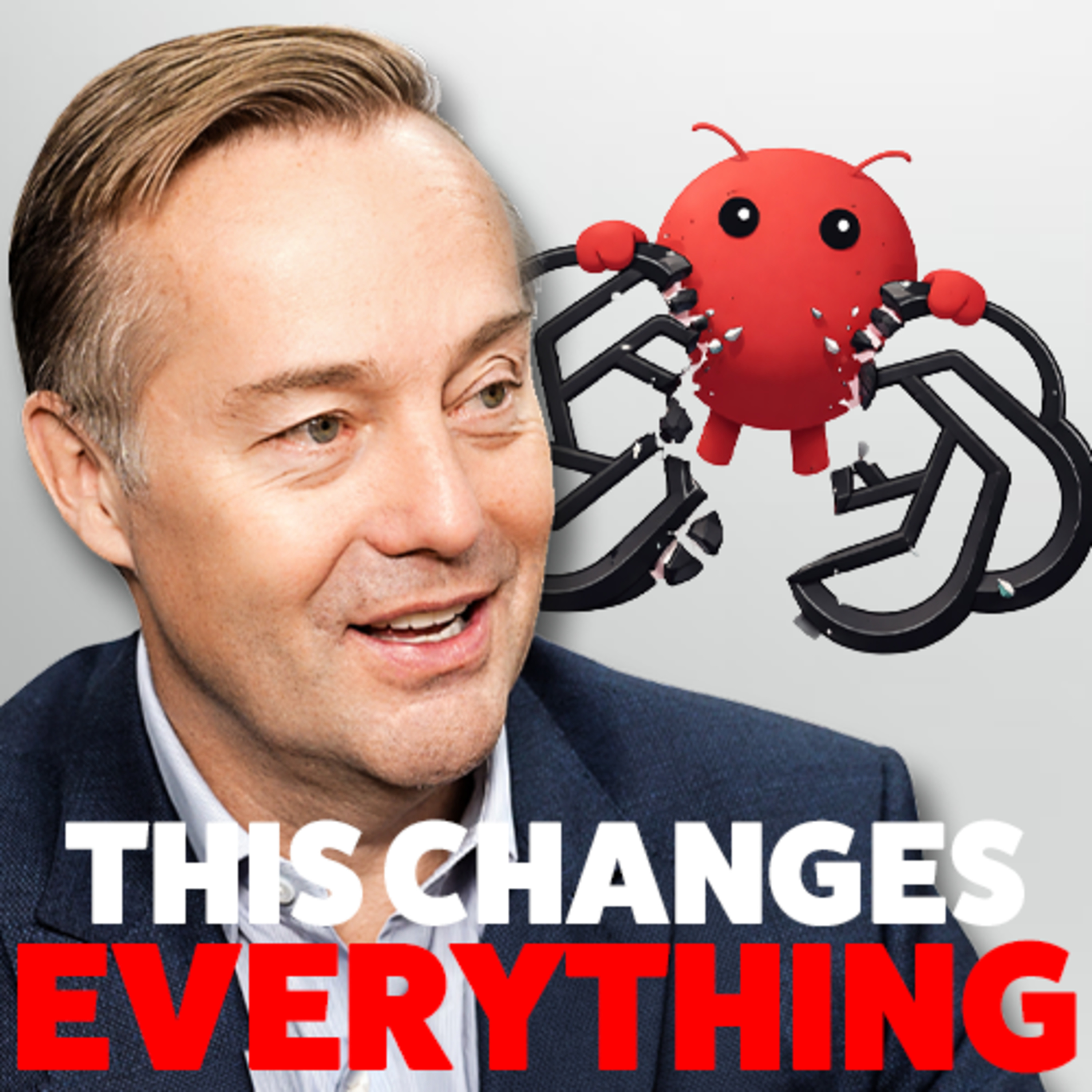
While AI tools threaten the value of vertical SaaS companies heavily funded by private credit, this isn't a systemic risk. The same AI tools enable broader productivity gains across the economy, creating more value than is lost in these specific private credit deals. The market is also less interconnected than the 2008 mortgage market.

Beyond simple productivity gains, AI will eliminate the need for entire service-based transactions, such as paying for basic legal documents or second medical opinions. This substitution of paid services with free AI output can act as a direct deflationary headwind, a counterintuitive effect to the typical AI-fueled growth narrative.

The "SaaS-pocalypse" isn't about AI replacing software overnight. Instead, AI's disruptive potential erases the decades-long growth certainty that justified high SaaS valuations. Investors are punishing this newfound unpredictability of future cash flows, regardless of current performance.

The "SaaSpocalypse" isn't about current revenues but a collapse in investor confidence. AI introduces profound uncertainty about future cash flows, causing the market to heavily discount what was once seen as bond-like predictability. SaaS firms must now actively prove they are beneficiaries of AI to regain their premium valuations.

The primary threat of AI to software isn't rendering it obsolete, but rather challenging its growth model. AI will make it harder for SaaS companies to implement annual price increases and will compress valuation multiples, creating stress for over-leveraged firms from the zero-interest-rate era.

AI is making core software functionality nearly free, creating an existential crisis for traditional SaaS companies. The old model of 90%+ gross margins is disappearing. The future will be dominated by a few large AI players with lower margins, alongside a strategic shift towards monetizing high-value services.

The lucrative maintenance and migration revenue streams for enterprise SaaS, which constitute up to 90% of software dollars, are under threat. AI agents and new systems are poised to aggressively shrink this market, severely impacting public SaaS companies' incremental revenue.
The market cap lost by software companies being disrupted by AI is not disappearing. It's rotating into investments for the underlying infrastructure—AI chips and data centers—that power the AI agents causing the disruption, effectively "feeding the beast."

A 'tale of two cities' exists in SaaS. Traditional software budgets are frozen, with spending eaten by price hikes from incumbents. Simultaneously, new, separate AI budgets are creating massive opportunities, making the market feel dead for classic SaaS but booming for AI-native solutions.