Get your free personalized podcast brief
We scan new podcasts and send you the top 5 insights daily.
The primary use of AI isn't just managing existing customer relationships. It's proactively analyzing data to identify which customers are most likely to desire a new product drop. By matching product characteristics to 'look-alike' customer profiles, they personalize outreach and dramatically increase conversion.

Related Insights
Advanced AI-driven personalization moves beyond reacting to customer queries with context. The true 'magic moment' is when a brand can proactively identify and resolve a potential issue, contacting the customer with the solution before they are even aware of the problem.

The CMO believes AI for generic content creation is overrated. Instead, their most effective use of AI is creating highly tailored drip and outbound campaigns based on a user's specific in-product activity and results. This contextual outreach helps prevent churn and increase monetization.

Walmart's AI strategy is moving beyond simple search optimization. By using its AI assistant, Sparky, to understand customer intent, Walmart is proactively guiding users to discover new products. This shift to 'intent-driven commerce' increases basket size and frequency, representing a fundamental change in how large retailers drive growth and digital engagement.

Traditional marketing relies on static, often biased customer personas. AI-driven systems replace these assumptions with dynamic models built on real-time user behavior. This allows startups to observe what customers actually do, removing bias and grounding strategy in reality.
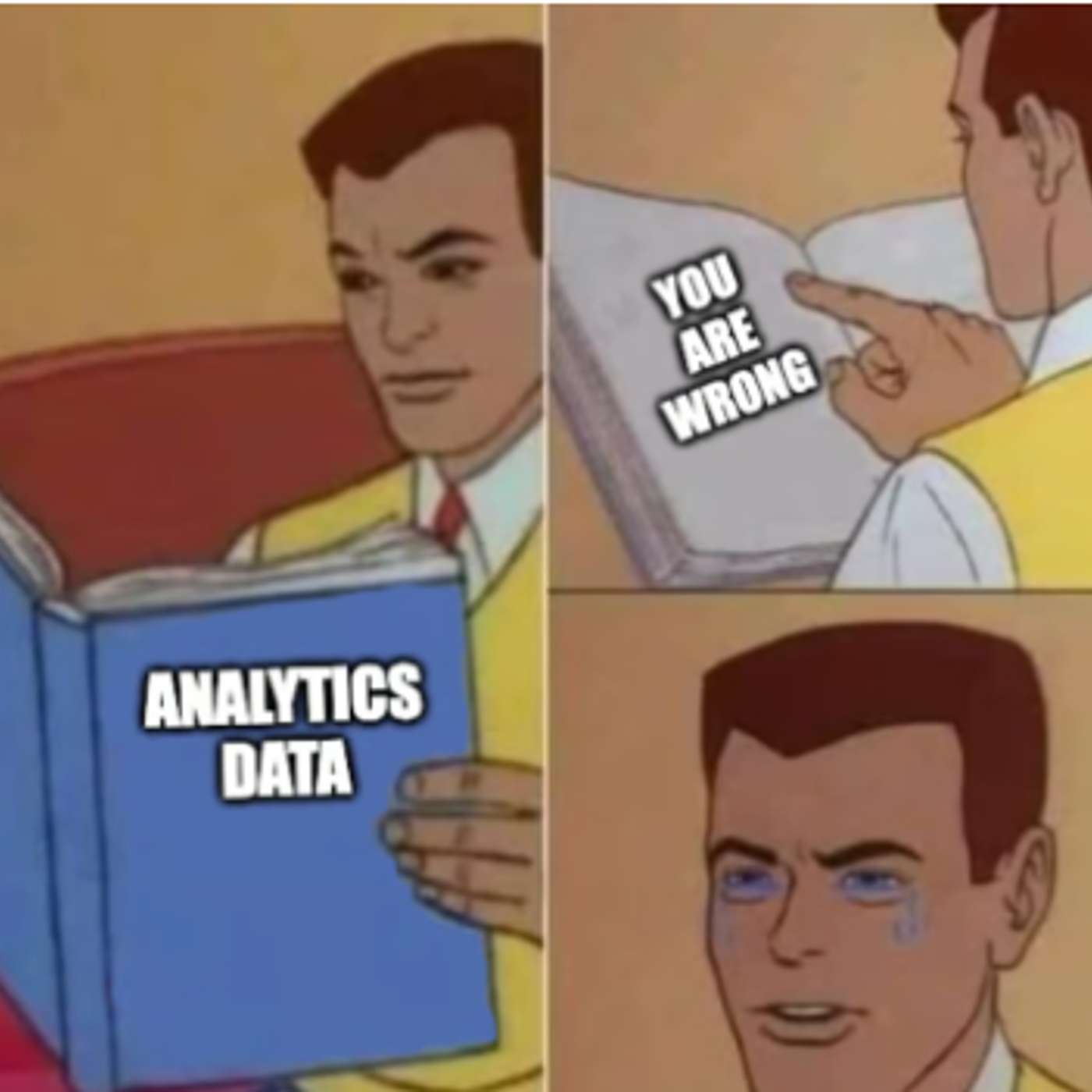
Startups should stop building customer personas on assumptions and surveys. Instead, use AI to analyze real-time behavioral data, creating dynamic profiles that update automatically. This shifts marketing from targeting who you think customers are to who they actually are based on their actions.

The evolution of personalization won't just be one-to-one marketing to a person, but marketing to their AI agent. Brands must learn how to provide data signals and recommendations that influence an AI's choices on behalf of its user, a paradigm shift from traditional consumer engagement models.

Instead of manually sifting through overwhelming survey responses, input the raw data into an AI model. You can prompt it to identify distinct customer segments and generate detailed avatars—complete with pain points and desires—for each of your specific offers.

Instead of batching users into lists for A/B tests, AI can analyze each individual's complete behavioral history in real-time. It then deploys a uniquely bespoke message at the optimal moment for that single user, a level of personalization that makes static segmentation primitive by comparison.
Instead of guessing at marketing copy, build an AI model of your ideal customer. By feeding it internal data like call transcripts and external data like forum posts, this "digital twin" can review and rewrite your marketing materials using the customer's exact language.

Today, world-class companies review their ICP quarterly. AI will make this process dynamic, analyzing infinite attributes from sales calls and pipeline data in real-time. It will constantly recalibrate the ICP and prescribe the specific, highest-potential accounts for sales reps to engage with at any given moment.
