Get your free personalized podcast brief
We scan new podcasts and send you the top 5 insights daily.
Filmmaker Rick Bienstock intentionally avoided confrontational, Michael Moore-style interviews. By passively letting subjects speak freely, she allowed the 'lunatic' nature of their ideas to reveal itself organically, a more powerful method than attempting to debate or trap them in contradictions.
Related Insights
The host argues that the goal of interviewing powerful figures is to get them to answer tough questions, not to create a viral "gotcha" moment. By maintaining a conversational and respectful tone, even while asking pointed questions, journalists can disarm defensive subjects and get more revealing answers.

Roka News intentionally uses a lean, two-person team (host and videographer) for its documentaries. This is a content strategy, not just for efficiency. A minimal crew fosters more organic and honest conversations, as subjects are less intimidated than they would be by a large production.

Journalist Polina Pompliano's approach is rooted in the belief that 'we are not who we say we are; we are how we move through the world.' A person's unscripted actions reveal their true nature far more than their curated self-description.

Instead of pretending to know more than they do, journalists can unlock far deeper stories by being direct with sources, saying, 'I don't know much about this, please explain it to me.' This approach works particularly well with the smartest experts.

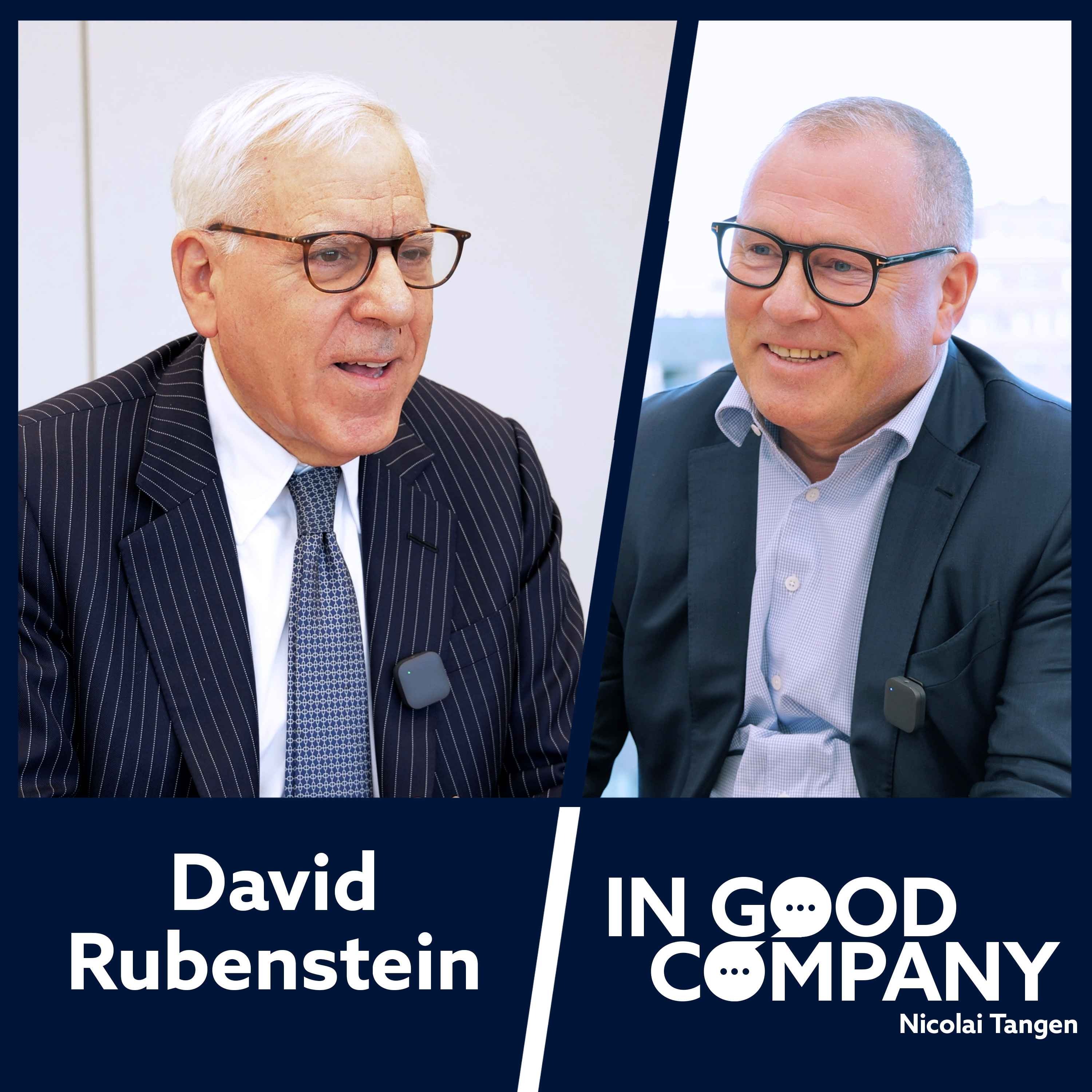
Citing Oprah Winfrey, Rubenstein argues the key to great interviewing is not having the best questions but being a great listener. True listening allows the interviewer to pivot and follow up on unexpected answers, turning a rigid Q&A into a genuine conversation that uncovers far deeper insights than a prepared script ever could.
Instead of personally challenging a guest, read a critical quote about them from another source. This reframes you as a neutral moderator giving them a chance to respond, rather than an attacker. The guest has likely already prepared an answer for known criticisms.

Documentary filmmaker Rick Bienstock embedded herself within volatile US student protests because her status as a relatively unknown Canadian seemed less threatening than a recognizable American journalist, especially one from a partisan outlet like Fox News, would have been.
The documentary reveals that the most damning figures are often not the student activists, but senior administrators who fail to lead. Evergreen State's president is shown passively absorbing extreme verbal abuse, demonstrating how administrative weakness and a desire to placate mobs allows extremism to flourish on campus.
Podcast host Ben Smith observes that high-profile interviews are valuable even when subjects give non-answers. The on-stage format reveals the "emotional truth" of a person's situation through their demeanor and non-verbal cues, as seen with The Washington Post's editor, who "emoted" rather than answered.
Despite reputations for progressive orthodoxy, the CBC and BBC funded a documentary critical of campus illiberalism. The key was the filmmaker's track record and a compelling 5-hour rough cut that proved the story's complexity. Impressed by the depth, both broadcasters doubled their order to a two-part series.