Get your free personalized podcast brief
We scan new podcasts and send you the top 5 insights daily.
Documentary filmmaker Rick Bienstock embedded herself within volatile US student protests because her status as a relatively unknown Canadian seemed less threatening than a recognizable American journalist, especially one from a partisan outlet like Fox News, would have been.
Related Insights
Jodi Cantor's careful language on the podcast isn't just caution; it's a strategic necessity. She operates under the assumption that her sources, or even the subjects of her reporting, could be listening. Every word is weighed to avoid giving the "wrong impression" and jeopardizing hard-won reporting access.

Roka News intentionally uses a lean, two-person team (host and videographer) for its documentaries. This is a content strategy, not just for efficiency. A minimal crew fosters more organic and honest conversations, as subjects are less intimidated than they would be by a large production.

For over 20 years, BBC correspondent Mark Tully became known as the "Voice of India" because he reported on events the Indian government suppressed. His broadcasts, translated into local languages, provided a crucial alternative source of information for millions, highlighting the role of foreign journalism in informing citizens under repressive regimes.
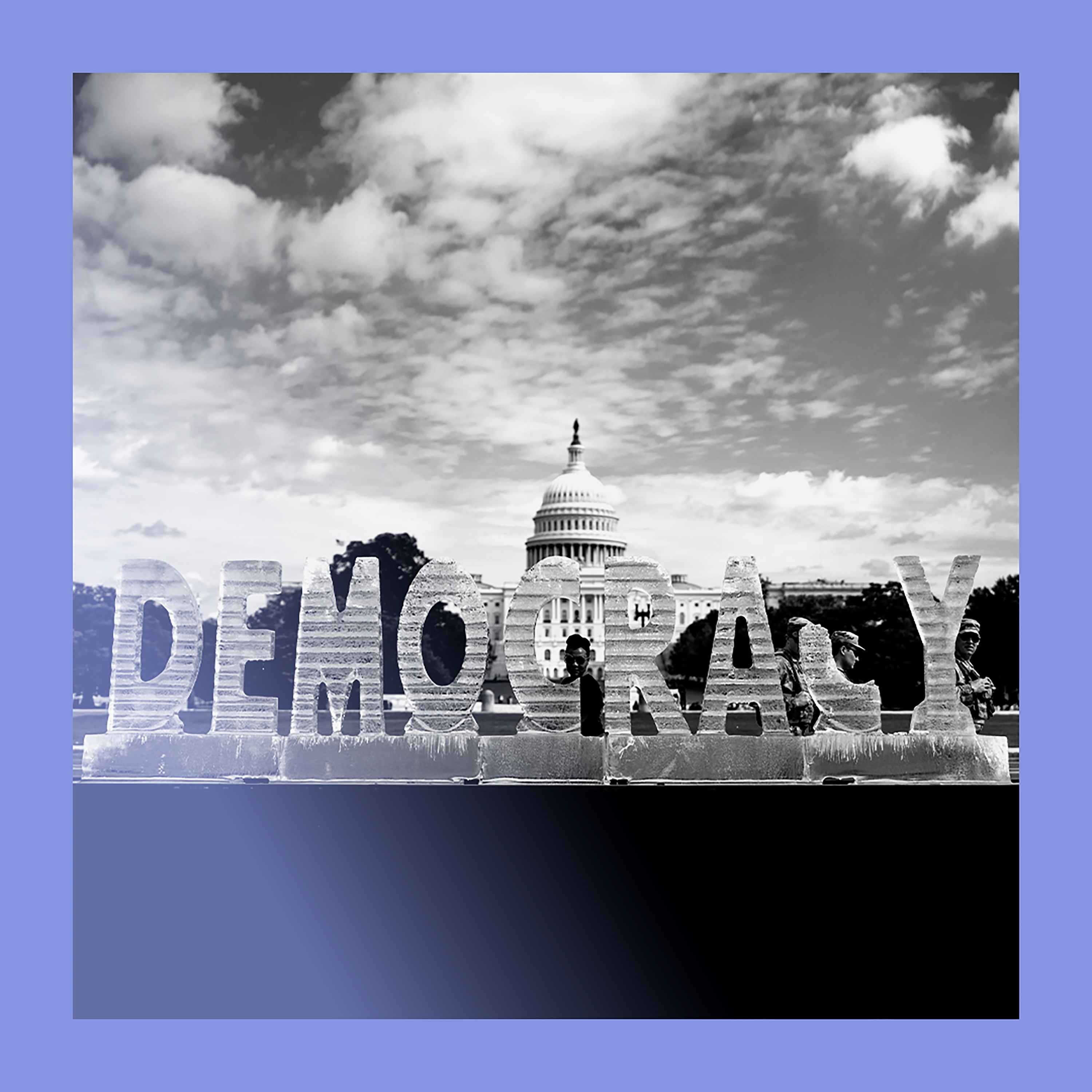
Waving a national flag is a direct political act with serious risks in authoritarian countries. Activists are instead using pop culture symbols, like the pirate flag from the anime 'One Piece', to protest. This makes their message more ambiguous, providing a layer of plausible deniability to dodge censorship and reduce personal risk.
Filmmaker Rick Bienstock intentionally avoided confrontational, Michael Moore-style interviews. By passively letting subjects speak freely, she allowed the 'lunatic' nature of their ideas to reveal itself organically, a more powerful method than attempting to debate or trap them in contradictions.
While some creators debate the brand risk of hosting politicians, Ananiya Williams highlights a graver concern: physical safety. Confronting a figure like Donald Trump would make her, a Black trans woman, a direct target for violent extremists, a risk not equally shared by other creators.
Patrick Radden Keefe sees the main professional benefit of his fame as a tool for reporting. When he contacts potential sources, they often already know his work and trust his rigor, which eliminates the need to persuade them of his credibility and significantly smooths the cultivation process.

Despite engaging in journalistic activities like interviewing and explaining complex topics, creators actively reject the 'journalist' title. They feel it would be 'stolen valor' because they lack the professional infrastructure of editors and fact-checkers, highlighting a sense of responsibility and respect for traditional journalistic standards.

The documentary reveals that the most damning figures are often not the student activists, but senior administrators who fail to lead. Evergreen State's president is shown passively absorbing extreme verbal abuse, demonstrating how administrative weakness and a desire to placate mobs allows extremism to flourish on campus.
Despite reputations for progressive orthodoxy, the CBC and BBC funded a documentary critical of campus illiberalism. The key was the filmmaker's track record and a compelling 5-hour rough cut that proved the story's complexity. Impressed by the depth, both broadcasters doubled their order to a two-part series.