Get your free personalized podcast brief
We scan new podcasts and send you the top 5 insights daily.
Despite reputations for progressive orthodoxy, the CBC and BBC funded a documentary critical of campus illiberalism. The key was the filmmaker's track record and a compelling 5-hour rough cut that proved the story's complexity. Impressed by the depth, both broadcasters doubled their order to a two-part series.
Related Insights
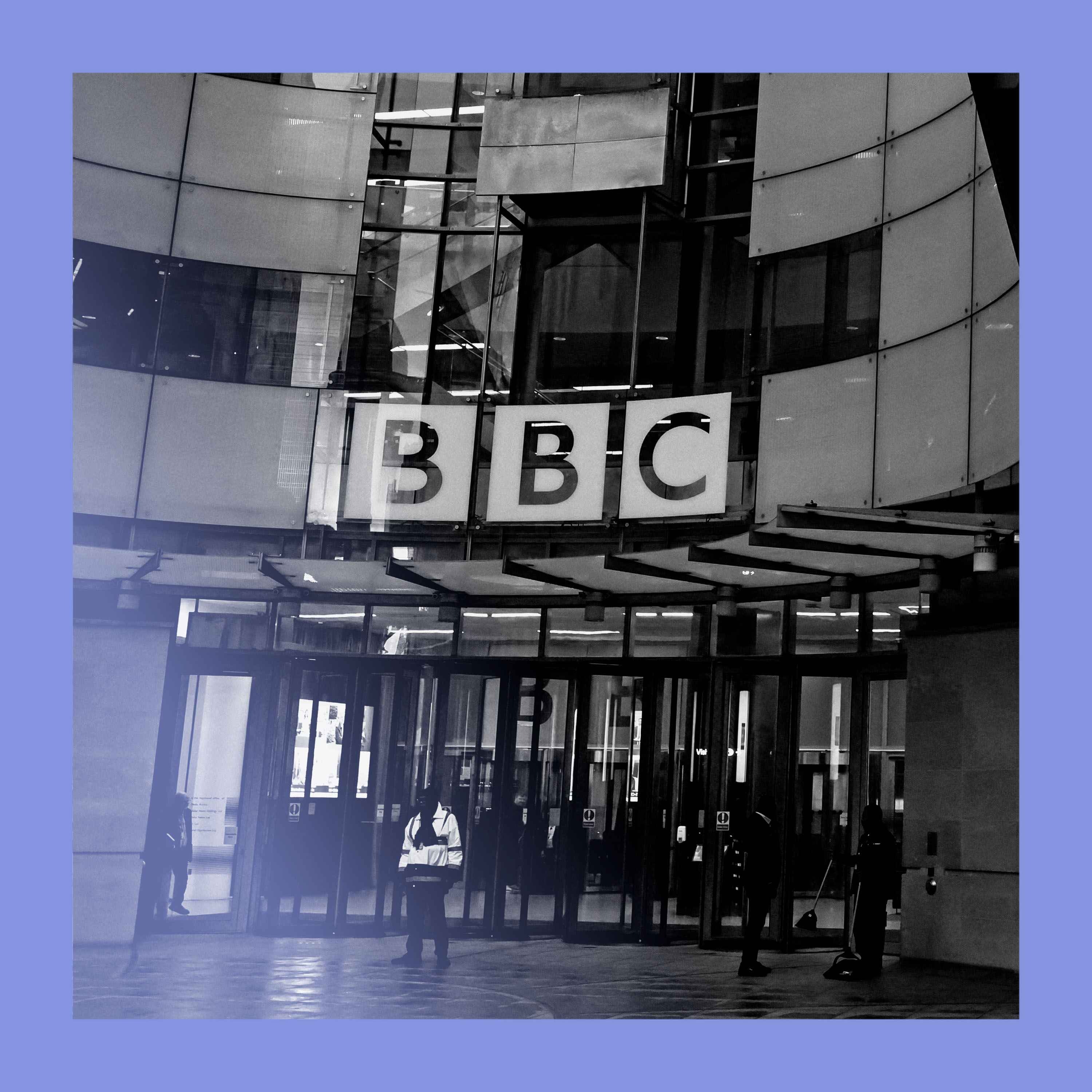
Instead of viewing impartiality as passive neutrality or "both-sidesism," former BBC News CEO Deborah Turness sought to "weaponize impartiality." This frames journalistic balance as an active, forceful tool that provides a distinct value proposition in a media landscape pulled to ideological extremes.

The BBC is funded by a near-universal license fee, obligating it to serve the entire UK public. This mandate for impartiality becomes a liability in a polarized media landscape, where it's constantly attacked from both the left and right for perceived bias, making it impossible to satisfy everyone.
The Canadian system uses government subsidies and broadcaster license fees to fund productions. This structure allows producers to own the underlying intellectual property, creating long-term value, in stark contrast to the US model where studios typically acquire all rights upfront.

The Kyiv Independent produces 60-minute documentaries on difficult subjects like war crimes. They found the effort to convince a viewer to watch a 15-minute video on a traumatic topic is just as high as for a 60-minute one. The longer format, however, allows for far greater narrative depth and emotional impact.

In a polarized media environment, audiences increasingly judge news as biased if it doesn't reflect their own opinions. This creates a fundamental challenge for public media outlets aiming for objectivity, as their down-the-middle approach can be cast as politically hostile by partisans who expect their views to be validated.

Ken Burns intentionally forgoes lucrative, single-pitch deals from streaming services. Instead, he endures years of difficult grant-based fundraising through PBS. This trade-off is strategic, as it allows him to retain final cut and create long, complex historical films that commercial platforms would not support.

Streamers who react to and critique mainstream news are often seen in a symbiotic relationship by those media companies. Even critical commentary drives engagement and viewership to the original source, making it a form of free distribution rather than IP theft.
Public media organizations like the BBC and CBC face a fundamental dilemma. If they produce dry, impartial, fact-based content, they risk losing their audience to more engaging, narrative-driven competitors. But if they adopt narratives to attract viewers, they are immediately accused of bias, creating a no-win situation.

Ken Burns reveals that the true value of PBS is not just funding, but the luxury of time. He claims he could secure a $30 million budget from a streaming service in a single pitch meeting, but only PBS would grant him the decade required to produce a definitive work like his Vietnam series.

Documentary filmmaker Rick Bienstock embedded herself within volatile US student protests because her status as a relatively unknown Canadian seemed less threatening than a recognizable American journalist, especially one from a partisan outlet like Fox News, would have been.