Get your free personalized podcast brief
We scan new podcasts and send you the top 5 insights daily.
Reinforcement learning moves beyond the static nature of A/B tests by creating a continuous feedback loop. This AI method is especially powerful for CRM and lifecycle marketing, which are rich in first-party data but have been technologically underserved for decades.
Related Insights
Instead of reacting with louder marketing messages, AI systems proactively identify early behavioral warning signs of disengagement. This allows for timely, relevant interventions at moments that truly matter, fundamentally shifting retention strategy from messaging to behavior.
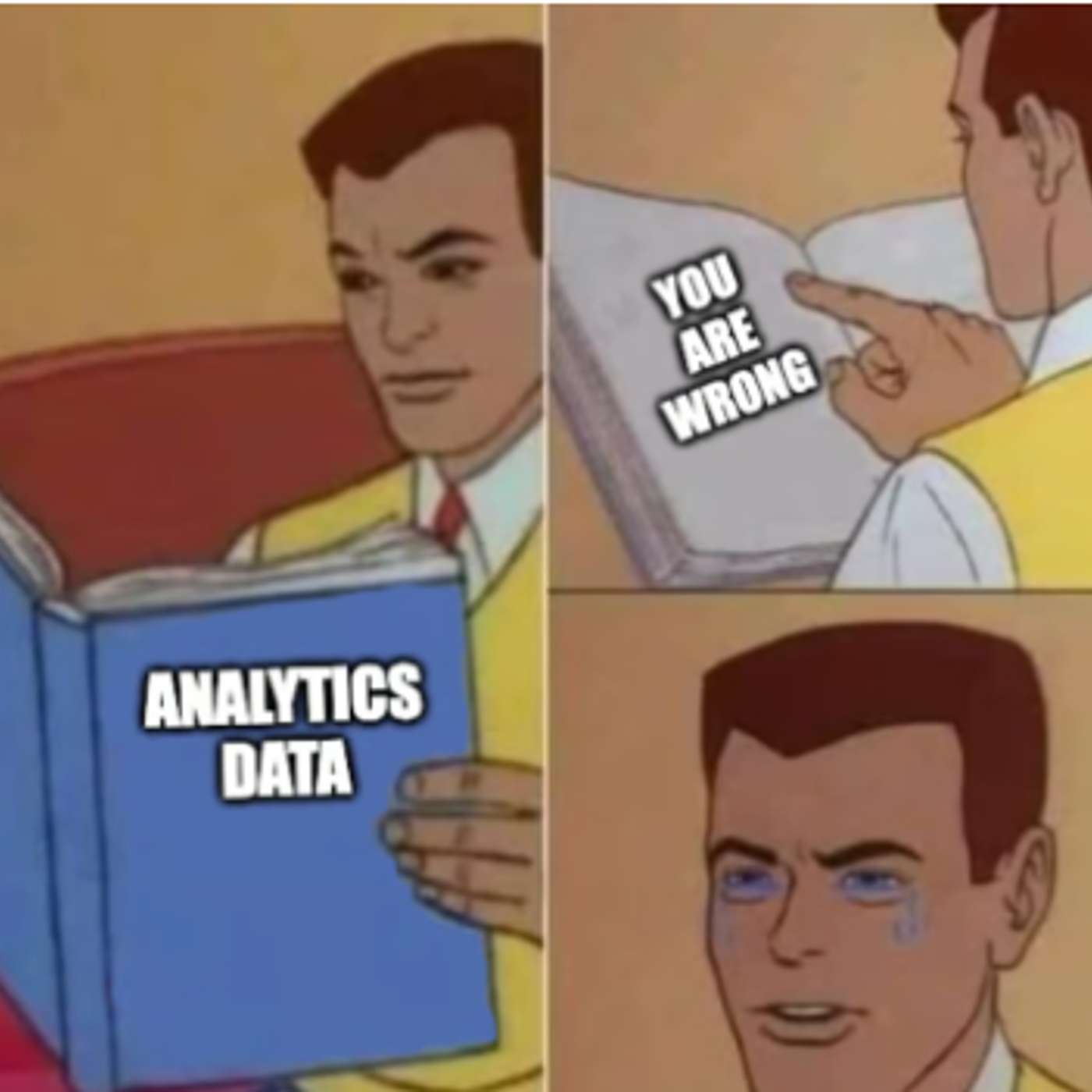
Sophisticated AI models, particularly adaptive ones, don't just learn from positive engagements like clicks. A customer's decision *not* to interact with an offer is treated as a meaningful action, providing instant feedback that the creative, channel, or timing was wrong.
Implement a system where an AI agent uses both content analytics (views, likes) and business metrics (app downloads, revenue) to continuously refine its strategy. This 'Larry Loop' allows the agent to learn what drives actual business results, not just vanity metrics, creating a fully autonomous marketing engine.

A powerful model for marketing automation involves an agent that not only posts content but also analyzes its performance across the entire funnel—from views down to app conversions. It then identifies successful patterns and generates new content based on those learnings, creating a self-improving engine.
AI agents can continuously experiment with variables like subject lines, send times, and offers for each individual user. This level of granular, ongoing A/B testing is impossible to manage manually, unlocking significant performance lifts that compound over time.

Instead of batching users into lists for A/B tests, AI can analyze each individual's complete behavioral history in real-time. It then deploys a uniquely bespoke message at the optimal moment for that single user, a level of personalization that makes static segmentation primitive by comparison.
Beyond one-off content generation, AI's value is its ability to constantly run micro-experiments on subject lines, copy, and offers. It then analyzes results and automatically incorporates learnings into future campaigns without human intervention.

The key to a truly intelligent enterprise AI is not a static model, but one that uses reinforcement learning (RL) to continuously update its own weights overnight based on daily interactions, a concept known as 'continuous learning'.

While acquisition is the current obsession, AI's ability to create true one-to-one lifecycle marketing will make retention the next competitive battleground. Soon, brands will generate thousands of unique email variants for a single campaign based on granular user data and shopping patterns.

AI's greatest impact on measurement isn't just better analysis, but the ability to turn insights from attribution and analytics into immediate, automated actions. This closes the loop between learning and doing, allowing for seamless, in-flight campaign optimization rather than only applying lessons to future efforts.