Get your free personalized podcast brief
We scan new podcasts and send you the top 5 insights daily.
The Publix buyer told Lauren Castle that refrigerated cookie dough had been flat or declining for years and he needed to reinvent it. That dissatisfaction with incumbents gave her a meeting and a chance to pitch all 1,200 Publix stores. Category fatigue can be an opening for a differentiated product.

Related Insights
When launching an innovative product, approach major retailers by framing it as the anchor of a completely new category you can help them build. This elevates your company from a mere supplier to a strategic partner and category leader.
Eric Ryan knew Method couldn't compete as just another cleaning brand against giants like P&G. Instead, he created the "premium home care" category, which blended design, sustainability, and fragrance. This prevented incumbents from simply extending their existing product lines to compete directly.

Major retailers often dislike when a single large company, like Zen in nicotine, dominates a category. This gives the incumbent too much leverage on pricing and placement. Consequently, retailers are often receptive to new, high-potential brands that can introduce competition and shift the power dynamic back in their favor.

To get into a major retailer, don't just prove your product sells. Show buyers data that you bring new customers to their category, growing the entire market rather than just cannibalizing sales from existing brands on the shelf.
After entering Kroger and Publix, Lauren Castle skipped national sampling because it was too expensive. She leaned into magenta packaging to pop off shelf next to Toll House and Pillsbury, and used promotions like two-for-nine pricing to prompt first trials. Shelf visibility and price breaks had to do the work sampling once did.
Retailers prioritize products that bring new customers into a category, not just ones that steal share from competitors. JonnyPops succeeded by appealing to families who weren't regular popsicle buyers, thus generating net new revenue for stores and securing prime freezer placement.

The idea for Late July came from observing that while the perimeter of health food stores had evolved, the center aisles (like crackers) were stagnant. This highlights the opportunity in modernizing unsexy but large product categories with an organic-first approach.
At Smorgasburg, Lauren Castle sold baked cookies, but customers kept asking whether they could buy the dough to bake at home. That repeated request prompted her to check Whole Foods and notice no packaged refrigerated dough excited her, a clearer signal than cookie sales alone.
The founders identified a mismatch between the modern, Gen Z pickle consumer on TikTok and the outdated, homogenous branding on store shelves. By targeting a neglected category with bold design and unique flavors, they faced less competition and stood out to both consumers and retail buyers.
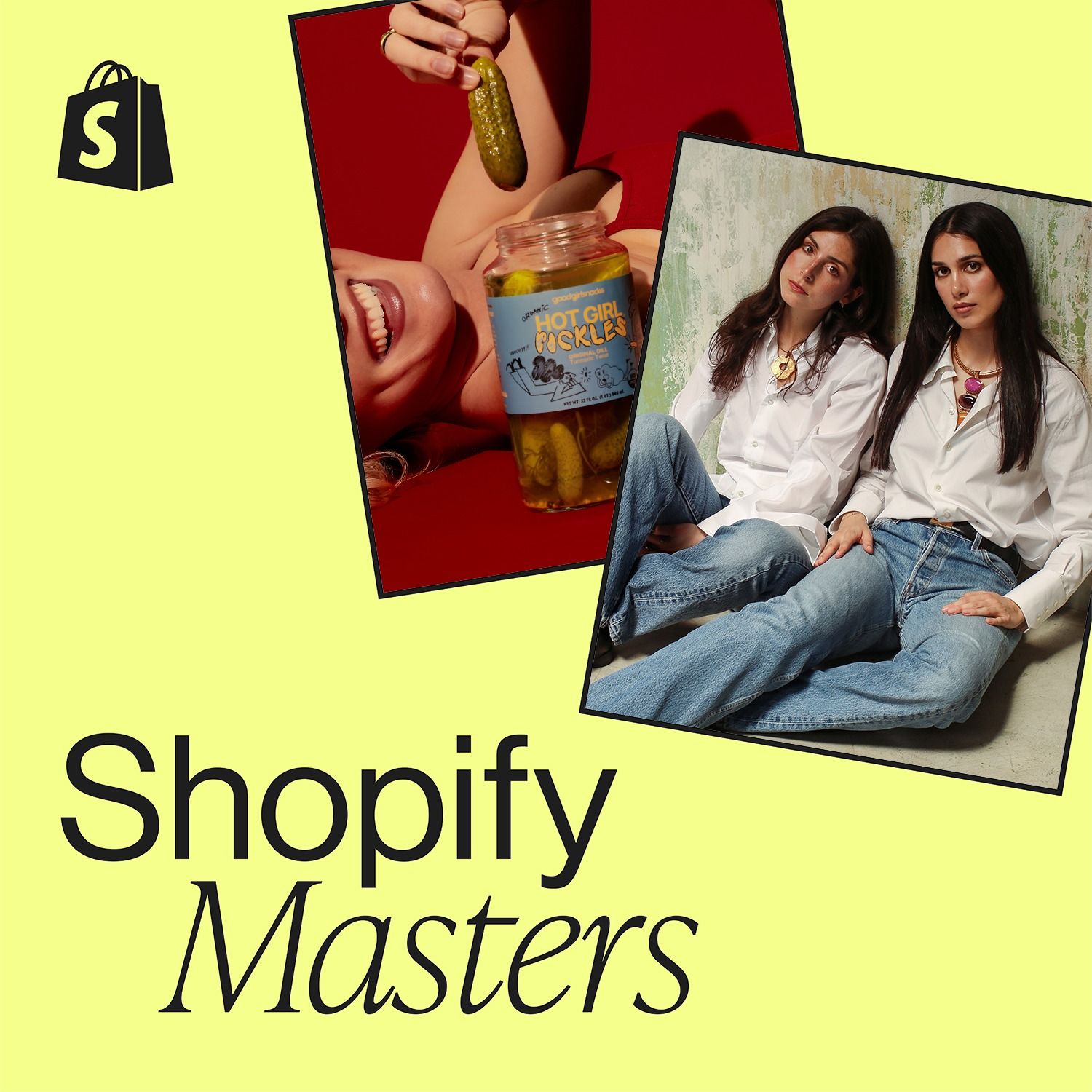
Bold Bean Co. found that creating a premium product in a "forgotten, dull" category like beans was a strategic advantage. The novelty makes consumers talk. People find it entertaining to become obsessed with beans, generating more word-of-mouth than launching yet another premium chocolate brand.