Get your free personalized podcast brief
We scan new podcasts and send you the top 5 insights daily.
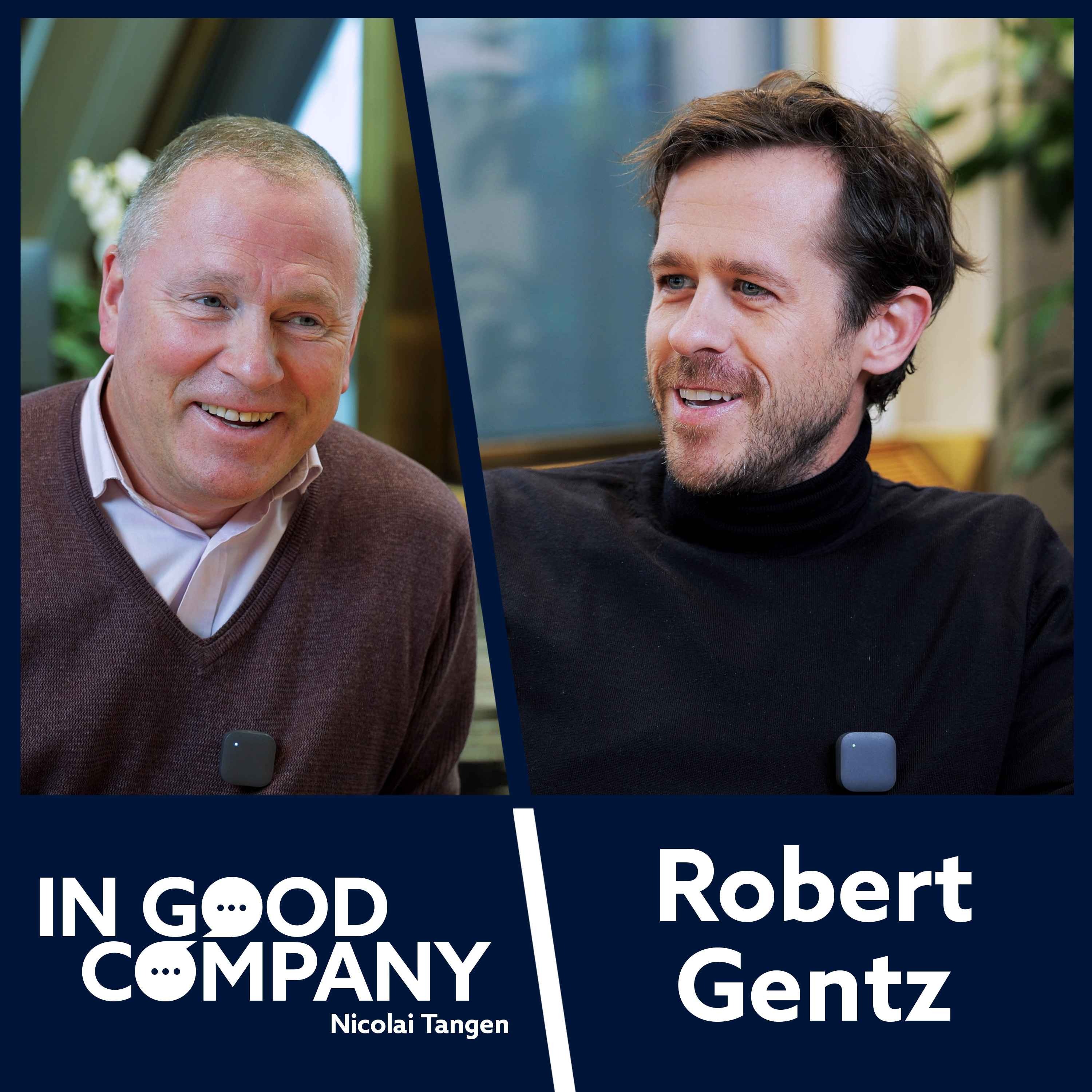
Robert Gens believes Europe has a massive opportunity to create its own "European Dream" as a talent magnet. He posits that as the "American Dream" becomes more exclusive, Europe can offer a more inclusive, democratic, and values-driven environment for entrepreneurs to build their businesses.
Related Insights
Rather than lamenting the distance from Silicon Valley, top European founders frame their location as an advantage. They become the undisputed top company for ambitious, loyal, and less-expensive talent in cities like Stockholm or Warsaw, attracting engineers eager for a generational opportunity.

A European founder targeting the US market shouldn't dismiss European VCs. You might be the top priority in a European firm's portfolio, receiving more attention and support than you would as a lower-priority deal for a top-tier, oversubscribed Silicon Valley firm.

After 17 years, Zalando's co-founder believes the key traits for founders are curiosity and humility. Curiosity enables learning from everyone and making good decisions, while humility ensures respect for challenges and prevents overconfidence from past successes.
In Europe, the value of startup equity is not widely understood. ElevenLabs' CEO had to convince new hires and even their families that equity was a valuable part of compensation, sometimes having to "almost force" employees to accept it, a stark contrast to the US tech scene.
To nurture risk-taking, Zalando champions a "dare to fail" principle. Co-CEO Robert Gens warns the alternative is a culture analogous to "poker without blinds"—a game where nobody bets without a perfect hand. This risk-averse environment stifles the calculated risks needed for innovation and growth.
The widening GDP gap between the U.S. and Europe since 2007 is attributed not just to policy but a cultural shift. The speaker argues Europe has lost its collective "hunger" and lacks the ambitious, unifying national projects that historically drove its innovation and attracted top talent.

Hoffman warns that Europe's focus on AI regulation is a flawed strategy. In the "World Cup match" of AI between the US and China, the referee never wins. To be relevant and benefit, Europe must become a player by fostering its own AI innovation and companies.

Europe's economic underperformance is caused by a governance structure that is not just indifferent but actively hostile to its entrepreneurial class. This 'regulatory malice' and 'contempt' makes it prohibitively difficult to build, innovate, and capture upside, driving away talent and capital.

Cities like San Francisco and New York act as global talent magnets because they project a powerful and specific "whisper," or core message, about what is valued there. For S.F., it's "build a startup." This clear signal attracts ambitious individuals worldwide who are aligned with that mission.
Europe has vibrant startup scenes, but its core challenge is the "scale-up" phase. Promising companies often relocate to the U.S. to access deeper venture capital markets and a larger, more unified customer base for international expansion.
