Get your free personalized podcast brief
We scan new podcasts and send you the top 5 insights daily.
In Europe, the value of startup equity is not widely understood. ElevenLabs' CEO had to convince new hires and even their families that equity was a valuable part of compensation, sometimes having to "almost force" employees to accept it, a stark contrast to the US tech scene.

Related Insights
ElevenLabs raised a $100M round entirely for employee secondaries. The CEO's rationale is that by allowing early team members to de-risk and realize financial gains, it solidifies their commitment to the company's multi-year mission rather than creating pressure for a quick exit.
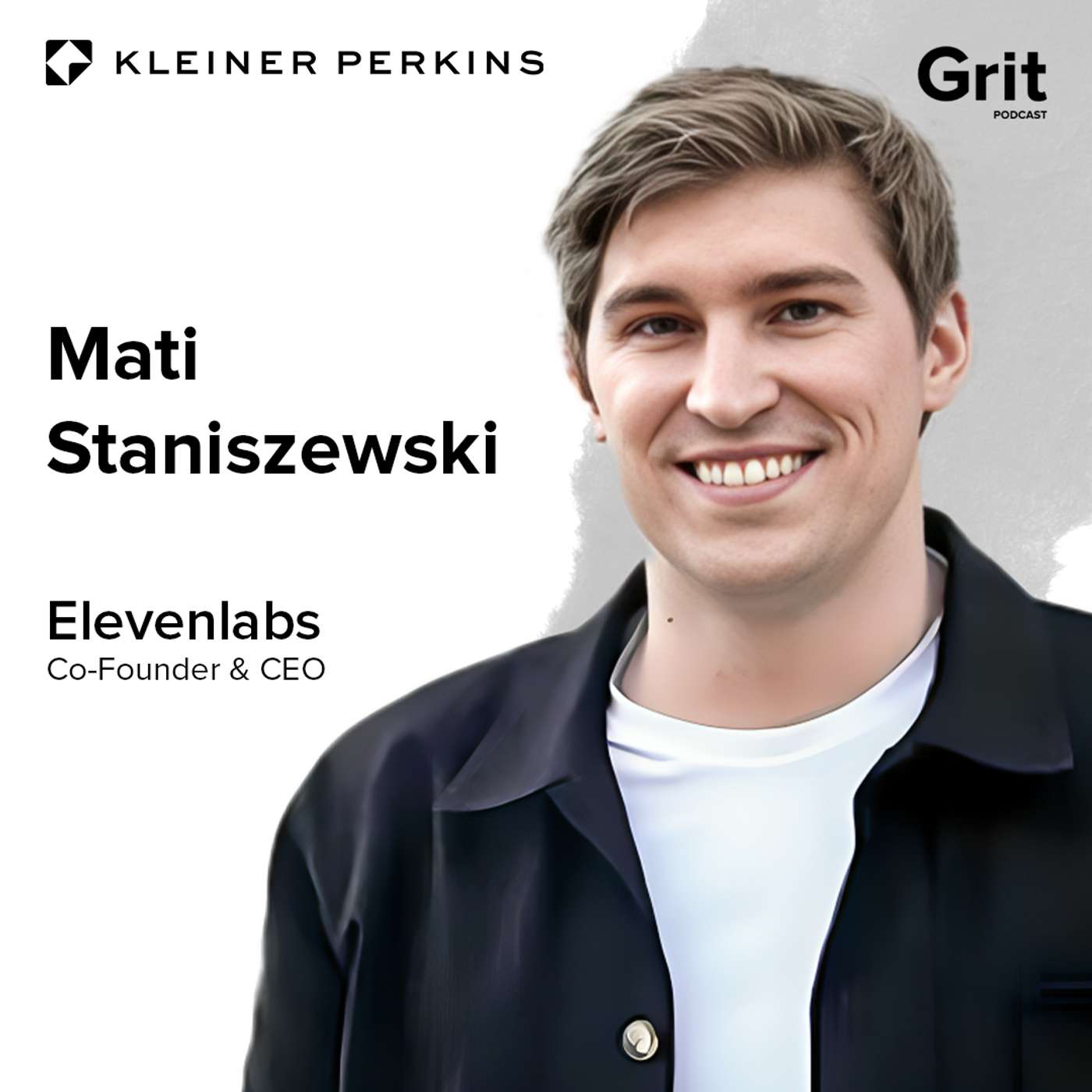
To maintain an owner's mindset, the speaker asked his new employer not to tell him the total number of company shares. This counterintuitive move prevented him from being demotivated by a small percentage and signaled extreme commitment, which ultimately led to his stake increasing from 0.4% to 20%.

Rather than lamenting the distance from Silicon Valley, top European founders frame their location as an advantage. They become the undisputed top company for ambitious, loyal, and less-expensive talent in cities like Stockholm or Warsaw, attracting engineers eager for a generational opportunity.
A founder who hoped to one day sell his company to employees was advised to start now. Implementing an Employee Stock Ownership Plan (ESOP) early aligns the team with the long-term mission, shares the burdens of entrepreneurship, and builds a sustainable, purpose-driven culture from the beginning.

Granting stock options is only half the battle. To make equity a powerful motivator, leaders must constantly communicate a clear and believable narrative for a future liquidity event, such as an acquisition. This vision is what transforms paper ownership into a tangible and valuable incentive in the minds of employees.

To conserve cash, especially in a downturn, founders can pay key employees 10-30% below market rate in salary. The key is to compensate for this deficit by offering double or triple the industry standard in equity. This strategy attracts top talent aligned with long-term success while keeping the company's cash burn rate low.
A service company's primary asset is its people. To prevent your best talent from leaving and becoming competitors, you must give them significant equity. This transforms their mindset from employee to owner, aligning their interests with the firm's long-term success and growth.
Europe has vibrant startup scenes, but its core challenge is the "scale-up" phase. Promising companies often relocate to the U.S. to access deeper venture capital markets and a larger, more unified customer base for international expansion.

When negotiating a job offer, ask for more stock options instead of a higher salary. This is often better received by employers as it signals you are a long-term believer in the company's success and want to be an "owner," not just an employee.

Founders often assume employees share their risk appetite for equity, but this is a mistake. When offered a choice between a higher cash salary and a mix of cash and equity, the vast majority of employees will choose the guaranteed cash, revealing a fundamental aversion to risk.