Get your free personalized podcast brief
We scan new podcasts and send you the top 5 insights daily.
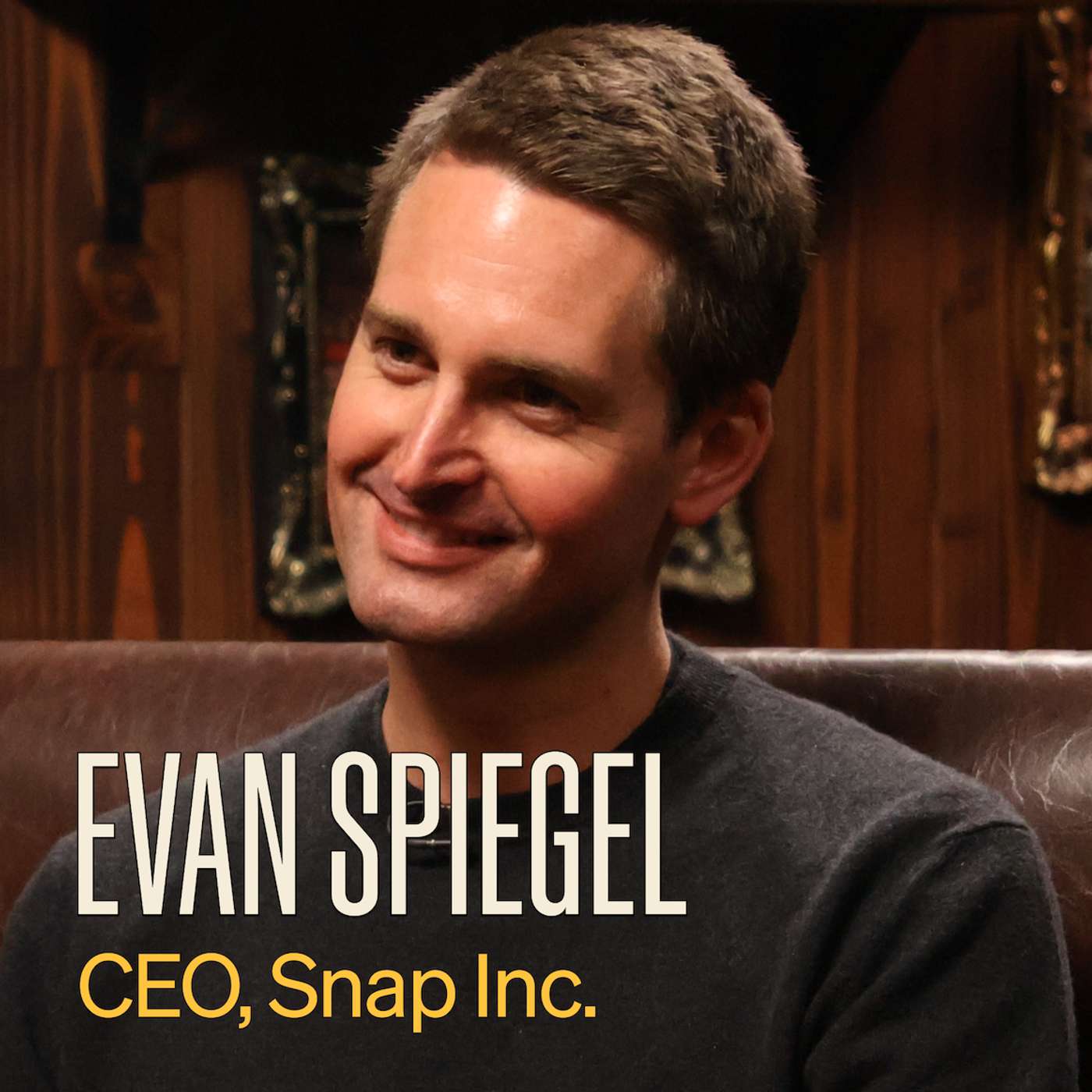
Evan Spiegel argues the 'killer app' concept is outdated. In the AI era, platforms win not by having one blockbuster app, but by empowering users to easily build bespoke software for their own specific needs. The value shifts from a single hit to a platform for mass personalization and creation.
Related Insights
According to Snap CEO Evan Spiegel, the historical power dynamic in tech companies, where engineering held leverage because building was the hardest part, is now reversing. As AI makes software development easier, the critical skill becomes having a great idea, shifting influence and importance toward designers and those with strong product taste.

Contrary to the belief that AI will kill most apps, lower development costs will make it profitable to build and maintain software for smaller, niche audiences. This affordability will likely lead to an explosion of specialized apps rather than market consolidation.
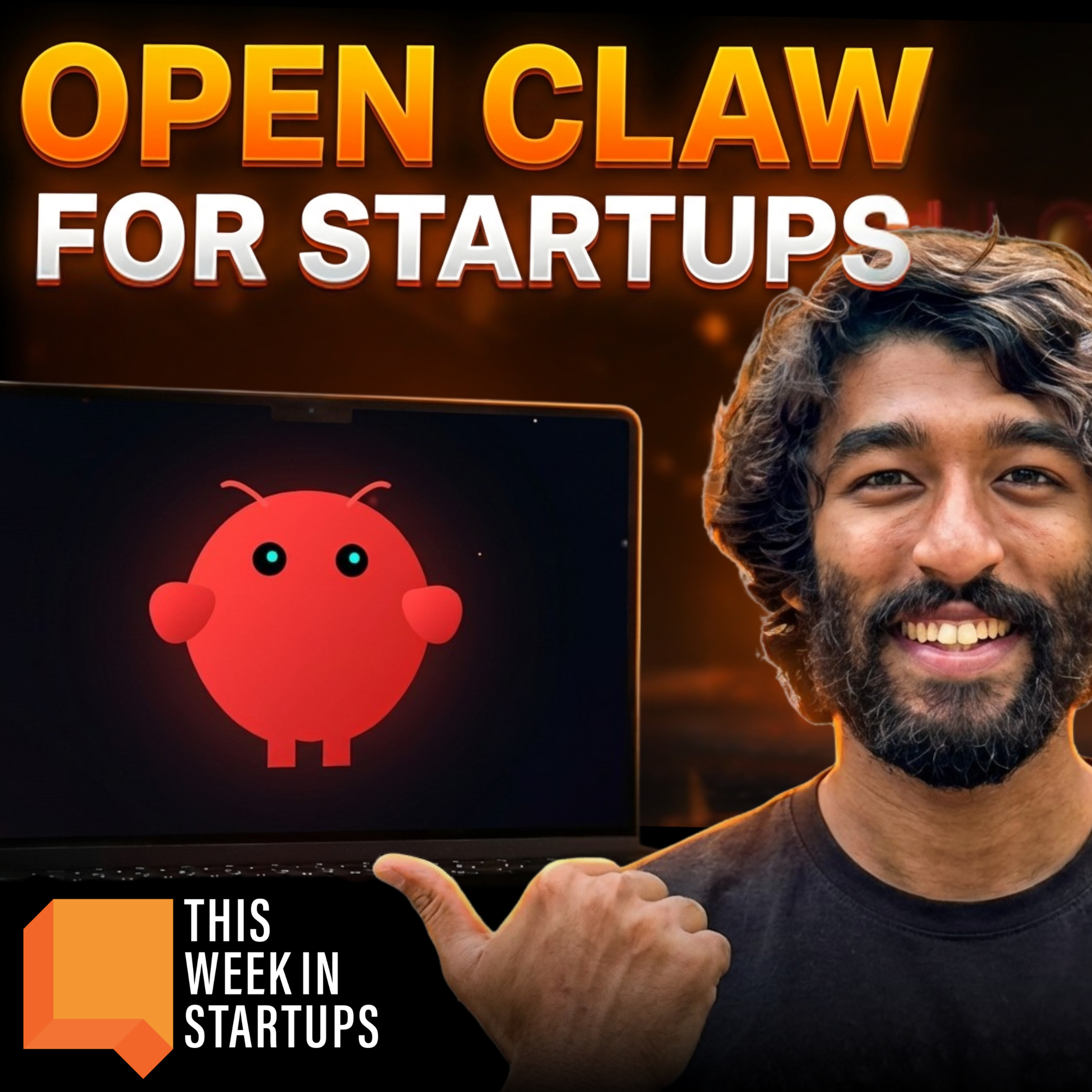
The barrier to creating software is collapsing. Non-coders can now build sophisticated, personalized applications for specific workflows in under an hour. This points to a future where individuals and teams create their own disposable, custom tools, replacing subscriptions to numerous niche SaaS products.

While most founders obsess over product-market fit, Evan Spiegel argues that distribution is the key differentiator for modern consumer apps. He cites TikTok (which bought distribution with billions) and Threads (which leveraged Meta's existing network) as prime examples of this principle.

Spiegel sees AI-powered software development as the key to overcoming the App Store's dominance. Historically, a new platform couldn't compete with millions of existing apps. Now, because AI makes it so easy to write software, a new ecosystem can be populated quickly, neutralizing the incumbent's advantage.
The surprising success of Dia's custom "Skills" feature revealed a huge user demand for personalized tools. This suggests a key value of AI is enabling non-technical users to build "handmade software" for their specific, just-in-time needs, moving beyond one-size-fits-all applications.

The next generation of social networks will be fundamentally different, built around the creation of functional software and AI models, not just media. The status game will shift from who has the best content to who can build the most useful or interesting tools for the community.

Instead of building a single-purpose application (first-order thinking), successful AI product strategy involves creating platforms that enable users to build their own solutions (second-order thinking). This approach targets a much larger opportunity by empowering users to create custom workflows.
While the internet has consolidated around major platforms, AI presents a counter-force. By drastically lowering the cost and complexity of building mobile apps, new tools could enable a 'Cambrian explosion' of personalized applications, challenging the one-size-fits-all model.

As AI makes software development trivial, traditional competitive moats like large app stores are losing their power. According to Snap's CEO, this disruption makes building difficult physical hardware a more critical strategic differentiator. Companies must focus on defensible, real-world products as software becomes commoditized.