Get your free personalized podcast brief
We scan new podcasts and send you the top 5 insights daily.
Jensen stresses that growth investors should follow a Hippocratic oath to avoid meddling in founder decisions under the guise of helping. The highest-leverage value-add occurs when companies proactively reach out to pull specific late-stage assistance, such as strategic enterprise customer introductions and public market perspectives.

Related Insights
Founders can accurately gauge an investor's future helpfulness by their actions during the pre-investment courtship phase. If an investor is unwilling to provide value when they are most motivated to win the deal, they are unlikely to be a helpful partner later on.

Founders should categorize decisions to know when to listen to investors. "Science" decisions have right answers and are good for input. "Art" decisions rely on founder taste and vision and should not be outsourced. "Religion" decisions are about company values and are deeply personal.
Echoing the Hippocratic Oath, a venture investor's primary job with a high-performing company is to stay out of the way and not disrupt its momentum. While providing resources for talent, capital, and strategy is valuable, it's secondary to the core principle of not interfering with a team that is already executing successfully.
An estimated 60% of VCs harm their portfolio companies by pushing a 'burn at all costs' mentality or pretending to know how to run the business. The best VCs are humble connectors who link founders with people who have successfully navigated similar growth stages before.
Founders should press VCs on how they specifically envision working together. A strong investor can articulate a nuanced plan tailored to the team's unique needs and the founder's working style, moving beyond a generic menu of services to show true alignment and understanding of the business's goals.
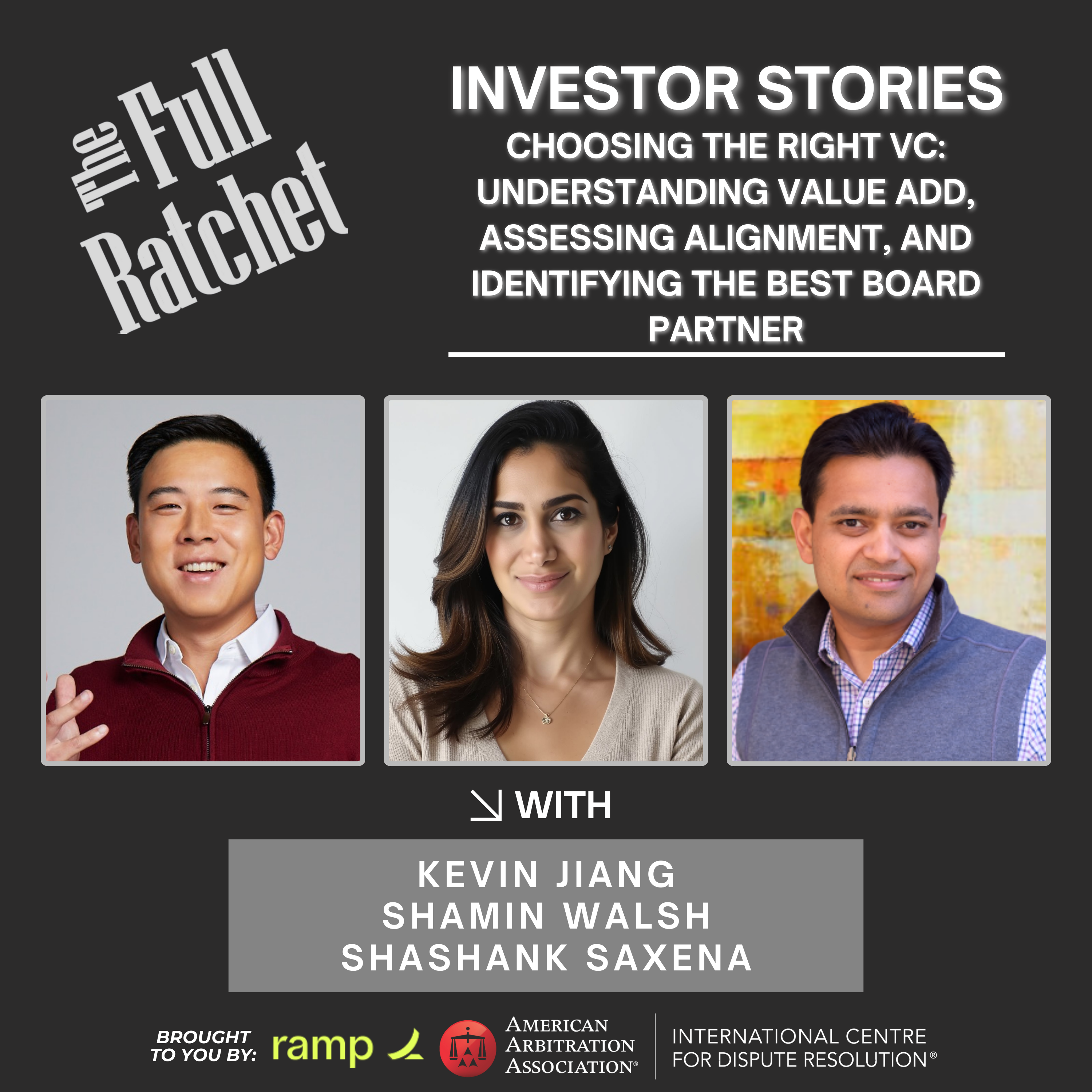
To win highly sought-after deals, growth investors must build relationships years in advance. This involves providing tangible help with hiring, customer introductions, and strategic advice, effectively acting as an investor long before deploying capital.
For former operators who become VCs, the biggest challenge is to stop acting like an operator. The 'Hippocratic Oath of Venture' is to 'do no harm.' This means staying out of the way when a company is executing well and providing resources rather than unsolicited operational input.

By Series C, founders are often saturated with guidance from early-stage, company-building VCs. A powerful pitch for a late-stage investor is to explicitly state they trust the existing board and will not offer unsolicited 'wise advice.' This positions them as a supportive, low-maintenance capital partner.

An investor will never be more motivated to help than when they are trying to close a deal. Decagon's founder suggests giving prospective investors a specific problem or asking for introductions during this courtship phase. Their responsiveness is the strongest signal of their value post-investment.

VC Seth Levine argues investors' primary power lies in influence, not control. Beyond investing or replacing a CEO, their role is to advise, not operate. He actively clarifies in board meetings that topics are for discussion to inform the CEO's decision, not for the board to decide, preventing investors from overstepping their role.
