Get your free personalized podcast brief
We scan new podcasts and send you the top 5 insights daily.
Founders should categorize decisions to know when to listen to investors. "Science" decisions have right answers and are good for input. "Art" decisions rely on founder taste and vision and should not be outsourced. "Religion" decisions are about company values and are deeply personal.
Related Insights
Founders often mistake their preferences for principles. A true principle is a non-negotiable rule you adhere to regardless of the trade-offs (e.g., 'always do things the right way'). A preference is a desired path you're willing to abandon when circumstances change (e.g., 'prefer not to build a sales team yet'). Clarifying this distinction leads to more consistent and high-integrity decisions.

A critical dichotomy exists between investors and founders. Investors who love an idea are prone to making compromises on team quality. Founders, however, must be deeply passionate about their idea, as starting a company is an irrational act that requires immense conviction to succeed.
![Scott Nolan - SpaceX, Founders Fund, and Rebuilding American Uranium Enrichment - [Invest Like the Best, EP.467] thumbnail](https://megaphone.imgix.net/podcasts/5edee546-3776-11f1-b41d-a76759576e87/image/908aaa6e87baf2b3d364892c4b7f9fd8.jpg?ixlib=rails-4.3.1&max-w=3000&max-h=3000&fit=crop&auto=format,compress)
The "IKEA Check" is a three-question framework to fight personal bias. 1) Does my conviction come from my work or from evidence? 2) Would I fund this if it weren't my idea? 3) What is my confidence level before and after feedback? This forces a more objective assessment.

Founders with deep market fit must trust their unique intuition over persuasive, but generic, VC advice. Following the standard playbook leads to cookie-cutter companies, while leaning into the 'weird' things that make your business different is what creates a unique, defensible moat.

Ladder's success stems from prioritizing aggregate customer data over individual opinions, especially from investors. They view an investor's product suggestion as a single, biased data point that often contradicts what their broader user base actually wants and needs.
![Tom Digan & Greg Stewart - Building the World’s Best Fitness App - [Invest Like the Best, EP.454] thumbnail](https://megaphone.imgix.net/podcasts/8459013c-f00c-11f0-ac98-fbad2fe189ee/image/d99352e9439af266dbb87c1efac1299f.jpg?ixlib=rails-4.3.1&max-w=3000&max-h=3000&fit=crop&auto=format,compress)
The most valuable role for a board member isn't giving advice, but acting as a "sparring partner." This involves asking sharp questions that help founders surface their own insights and gain clarity on ideas they already hold, especially when navigating uncharted territory.
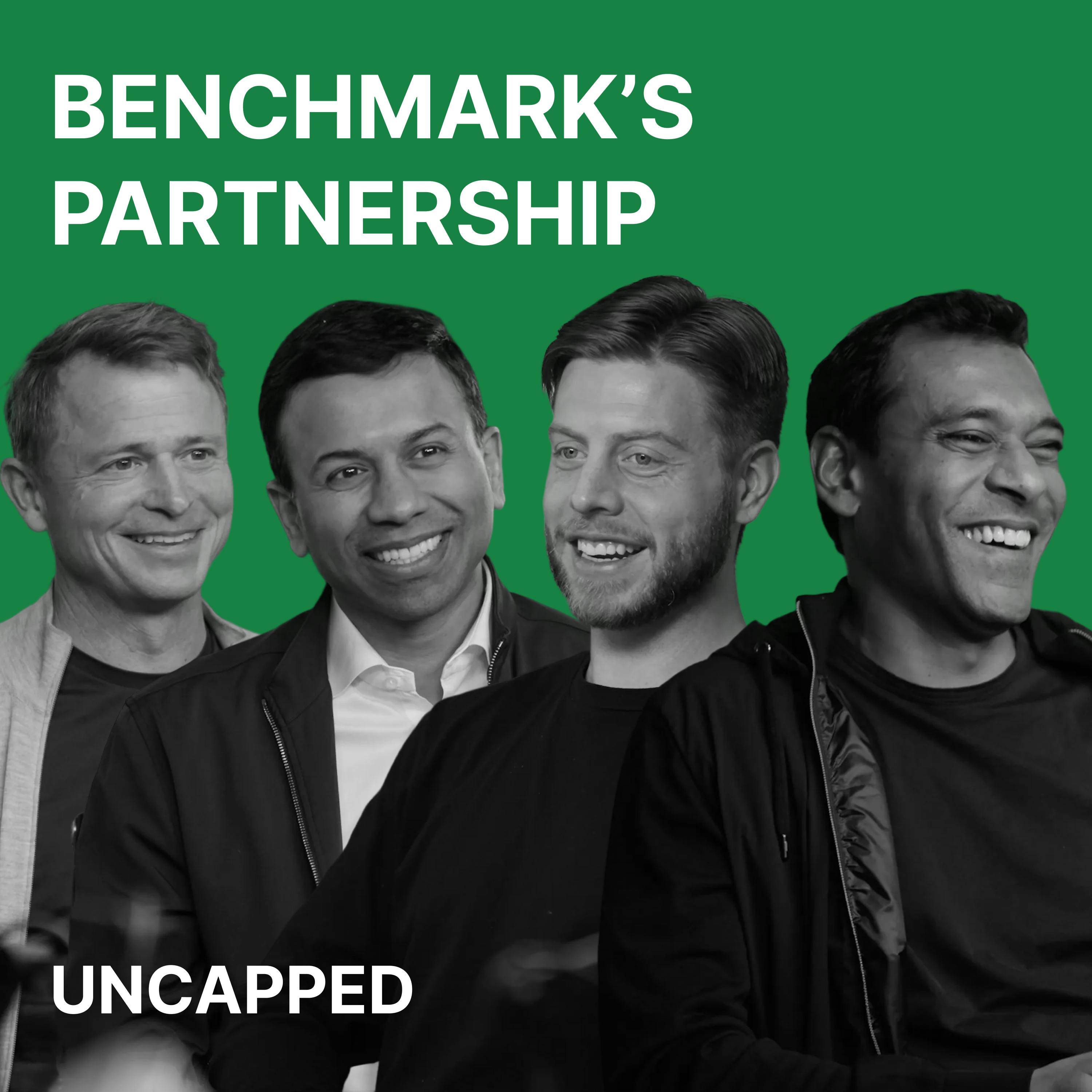
Patreon's co-founder reflects that early-stage leadership requires gathering diverse opinions. However, as the business and founder mature, it's crucial to shift from operating by consensus to using one's own internal conviction as the North Star for decision-making.

This framework structures decision-making by prioritizing three hierarchical layers: 1) Mission (the customer/purpose), 2) Team (the business's financial health), and 3) Self (individual skills and passions). It provides a common language for debating choices and ensuring personal desires don't override the mission or business viability.
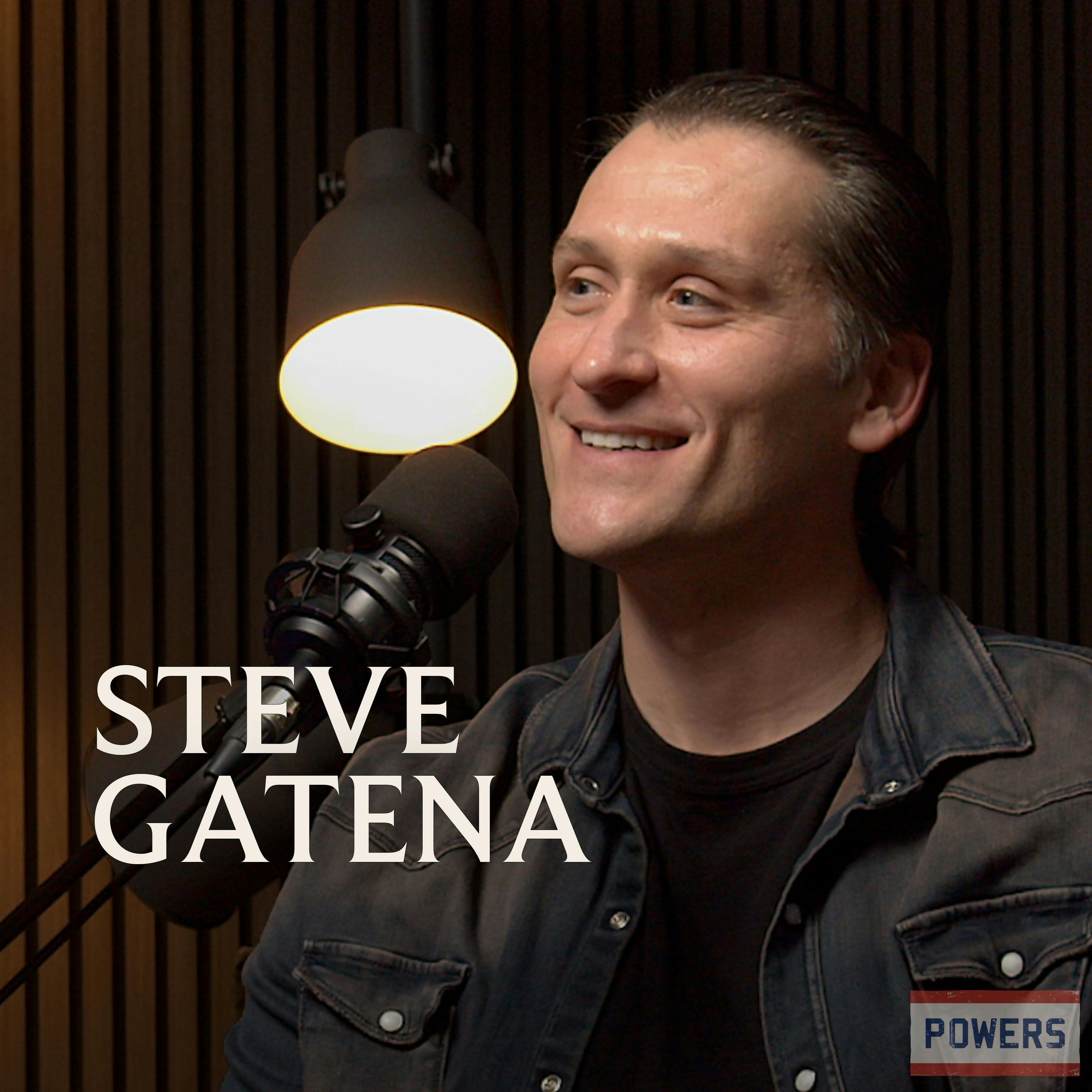
A-Frame's CEO argues that early-stage companies shouldn't try to manufacture a value system. The most effective and sustainable values are an authentic extension of the founder's own personal beliefs. Trying to fake it or hide what's important to you will ultimately fail.

While it's crucial to listen to markets and clients, founders must also be prepared to stick to their convictions when investors, who may not be specialists in their niche, offer conflicting advice. Knowing when to listen and when to hold firm is a key startup skill.