Get your free personalized podcast brief
We scan new podcasts and send you the top 5 insights daily.
The Justice Department's rapid approval of the Paramount-Skydance merger, which reportedly went against the recommendations of career staffers, indicates a pro-consolidation regulatory stance. This political climate encourages companies to rush M&A deals before a potential administration change brings stricter scrutiny.

Related Insights
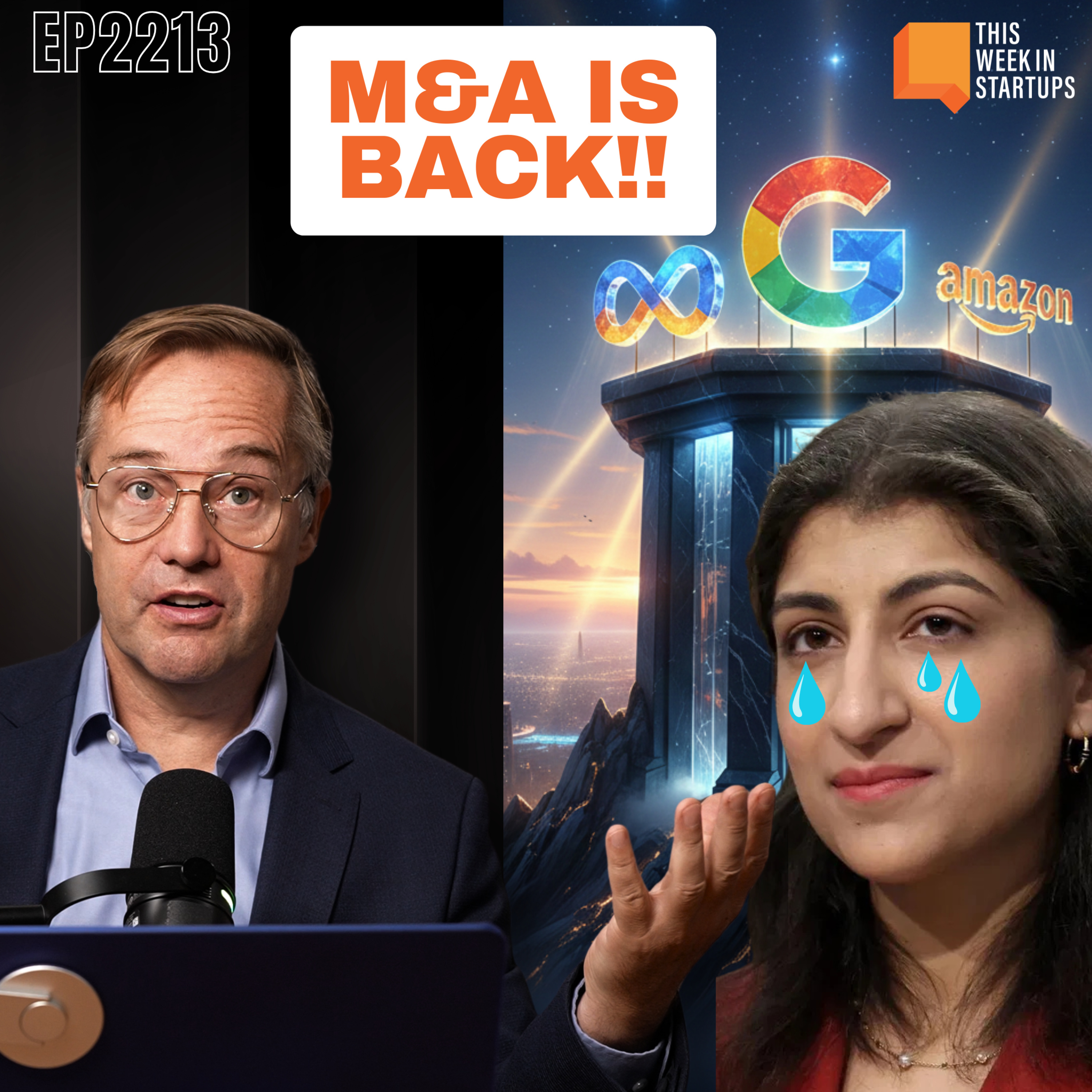
Recent antitrust lawsuits against Meta and Google resulted in minimal consequences ("nothing burgers"), signaling a more permissive regulatory environment. Combined with anticipated economic stimulus, this creates ideal conditions for a wave of large-scale M&A ($25B-$250B) among major tech companies in the coming year.
As traditional economic-based antitrust enforcement weakens, a new gatekeeper for M&A has emerged: political cronyism. A deal's approval may now hinge less on market concentration analysis and more on a political leader’s personal sentiment towards the acquiring CEO, fundamentally changing the risk calculus for corporate strategists.

While deal teams celebrate fast approvals, it can create a crisis for integration leads. Cisco's Splunk deal closed six months sooner than expected, forcing an acceleration of complex integration planning. This compression puts pressure on synergy timelines, as execution must begin immediately at close without the anticipated planning runway.

The audacious proposal for a United-American airline merger exemplifies a broader corporate strategy. Companies are attempting to push through massive, anti-competitive deals, betting that the current regulatory environment offers a final, narrow window of opportunity to get them approved.
A rare alignment of accommodative M&A regulations in both the U.S. and Europe is creating a sense of urgency for companies. This "permissive window" may not last, compelling businesses to pursue transactions now rather than later.

M&A is driven by CEO confidence, which is heavily influenced by the regulatory environment. A subtle shift in regulatory posture from a definitive 'no' to a 'maybe' is enough to unlock massive pent-up demand for transformative deals, potentially leading to a historic year for M&A.

M&A activity is not constant; it ebbs and flows with the political climate. Administrations perceived as "anti-M&A" can significantly slow deals. Founders looking for a strategic acquisition should consider the current political cycle as a key factor in their exit timing.
When government officials publicly support a media merger based on desired political outcomes, their statements become 'exhibit A' in legal challenges. This provides concrete evidence for opponents to argue the merger is based on improper government interference rather than legitimate market dynamics, thereby jeopardizing the deal's approval.
The FTC's failure to prove Meta held a monopoly set a powerful legal precedent, signaling that regulators face a high burden of proof. This has effectively given a green light to large-scale acquisitions, kicking off a "golden age of M&A" as companies feel emboldened to pursue mega-deals without fear of being blocked.

In its hostile takeover bid for Warner Bros., Paramount's key pitch for regulatory approval stems from its financing. The deal is funded by Trump-allied figures like Larry Ellison, Jared Kushner, and Middle Eastern sovereign wealth funds, creating a belief that a potential Trump administration would favor their acquisition over Netflix's.
