Get your free personalized podcast brief
We scan new podcasts and send you the top 5 insights daily.
The founder consciously avoided raising at a high valuation, not just to prevent a future down round, but because he saw it as a source of immense psychological pressure. He felt this pressure would distract from solving hard, long-term problems, preferring a shorter runway to the mental burden of an inflated valuation.

Related Insights
Contrary to common advice, the founder deliberately raised capital in small increments, never securing more than 12 months of runway. He found this self-imposed pressure was a powerful forcing function that kept him and the team sharp and focused on hitting critical milestones.

Raising too much money at a high valuation puts a "bogey on your back." It forces a "shoot the moon" strategy, which can decrease capital efficiency, make future fundraising harder, and limit potential exit opportunities by making the company too expensive for acquirers.
While first-time founders often optimize for the highest valuation, experienced entrepreneurs know this is a trap. They deliberately raise at a reasonable price, even if a higher one is available. This preserves strategic flexibility, makes future fundraising less perilous, and keeps options open—which is more valuable than a vanity valuation.
The first question in any fundraising or M&A discussion is always, 'What was your last round price?' An inflated number creates psychological friction and can halt negotiations before they begin. Founders should optimize for a valuation that allows for a clear up-round, not just the highest price today.

Accepting too high a valuation can be a fatal error. The first question in any subsequent fundraising or M&A discussion will be about the prior round's price. An unjustifiably high number immediately destroys the psychology of the new deal, making it nearly impossible to raise more capital or sell the company, regardless of progress.

Contrary to the celebratory image of fundraising, closing a $5 million seed round did not bring the founder relief. Instead, it amplified his stress and focus, as he immediately felt the weight of the new $40 million valuation and the immense expectations that came with it.
Venture capital can create a "treadmill" of raising rounds based on specific metrics, not building a sustainable business. Avoiding VC funding allowed Donald Spann to maintain control, focus on long-term viability, and build a company he could sustain without external pressures or risks.

The founder attributes their eventual success to the YC mantra "don't die." They consciously stayed small and conservative for years, resisting hype and fundraising pressure while still figuring out the product. This capital efficiency allowed them to survive a long period of flat growth to eventually find product-market fit.
High private valuations aren't just about pressure; they signal to potential hires that future success is already priced in. Cresta's CEO notes that smart candidates may opt out, recognizing that even with flawless execution, their equity upside is capped, making it a less attractive proposition.
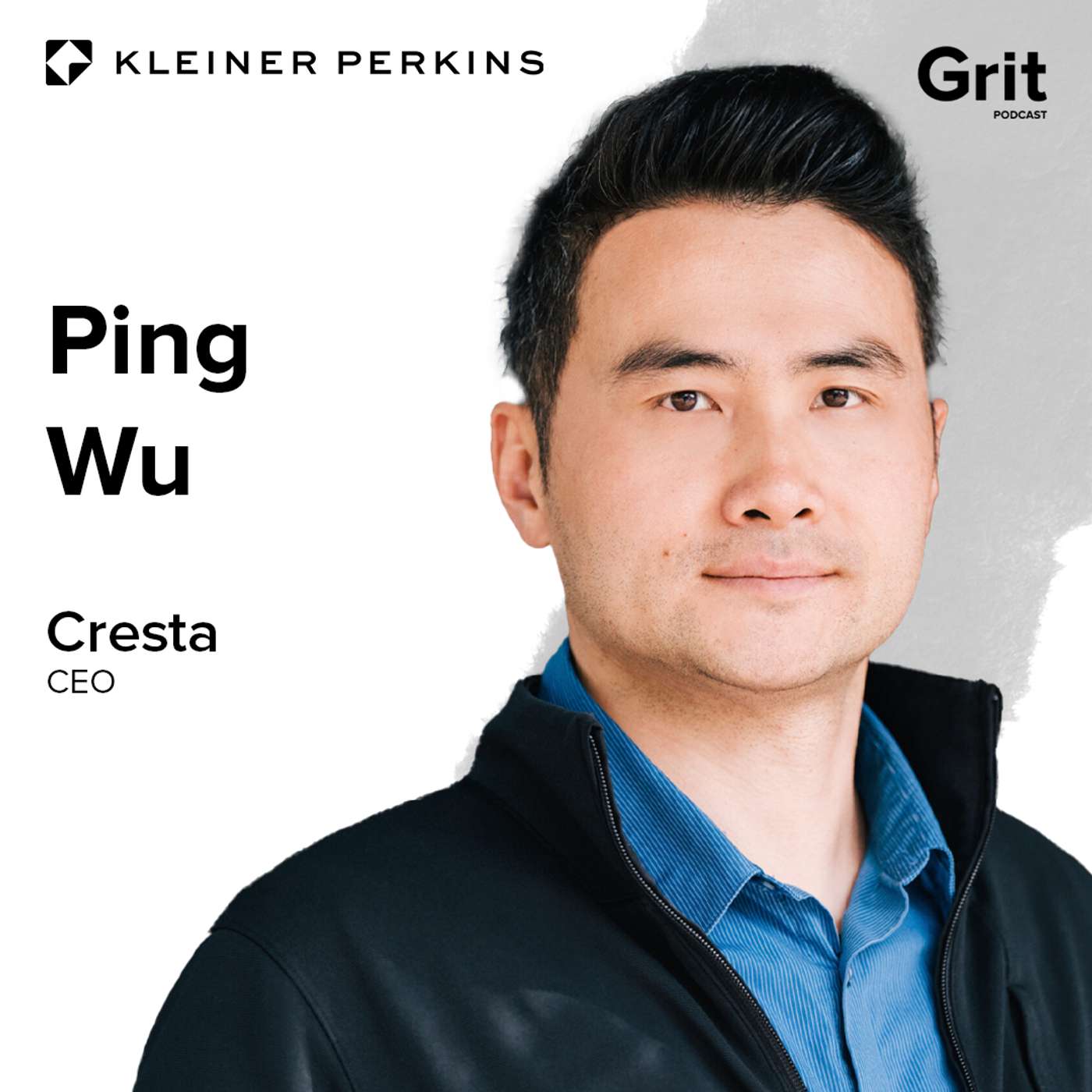
The founder advises against always pursuing the highest valuation, noting it can lead to immense pressure and difficulties in subsequent rounds if the market normalizes. Prioritizing investor chemistry and a fair, responsible valuation is a more sustainable long-term strategy.