Get your free personalized podcast brief
We scan new podcasts and send you the top 5 insights daily.
Perplexity's decision to abandon its advertising experiment is viewed as a premature retreat from the most proven business model on the internet. This move is considered bearish, as an ad-supported tier is likely the best way to serve a global audience and build a sustainable economic engine for AI search products.

Related Insights
Despite CEO Sam Altman previously calling an ad-based model a "last resort," OpenAI is launching ads in ChatGPT. The company justifies this by framing it as a necessity to fund free access for all users, addressing immense operational costs and signaling a strategic move toward a sustainable, IPO-ready business model.

The least intrusive way to introduce ads into LLMs is during natural pauses, such as the wait time for a "deep research" query. This interstitial model offers a clear value exchange: the user gets a powerful, free computation sponsored by an advertiser, avoiding disruption to the core interactive experience.
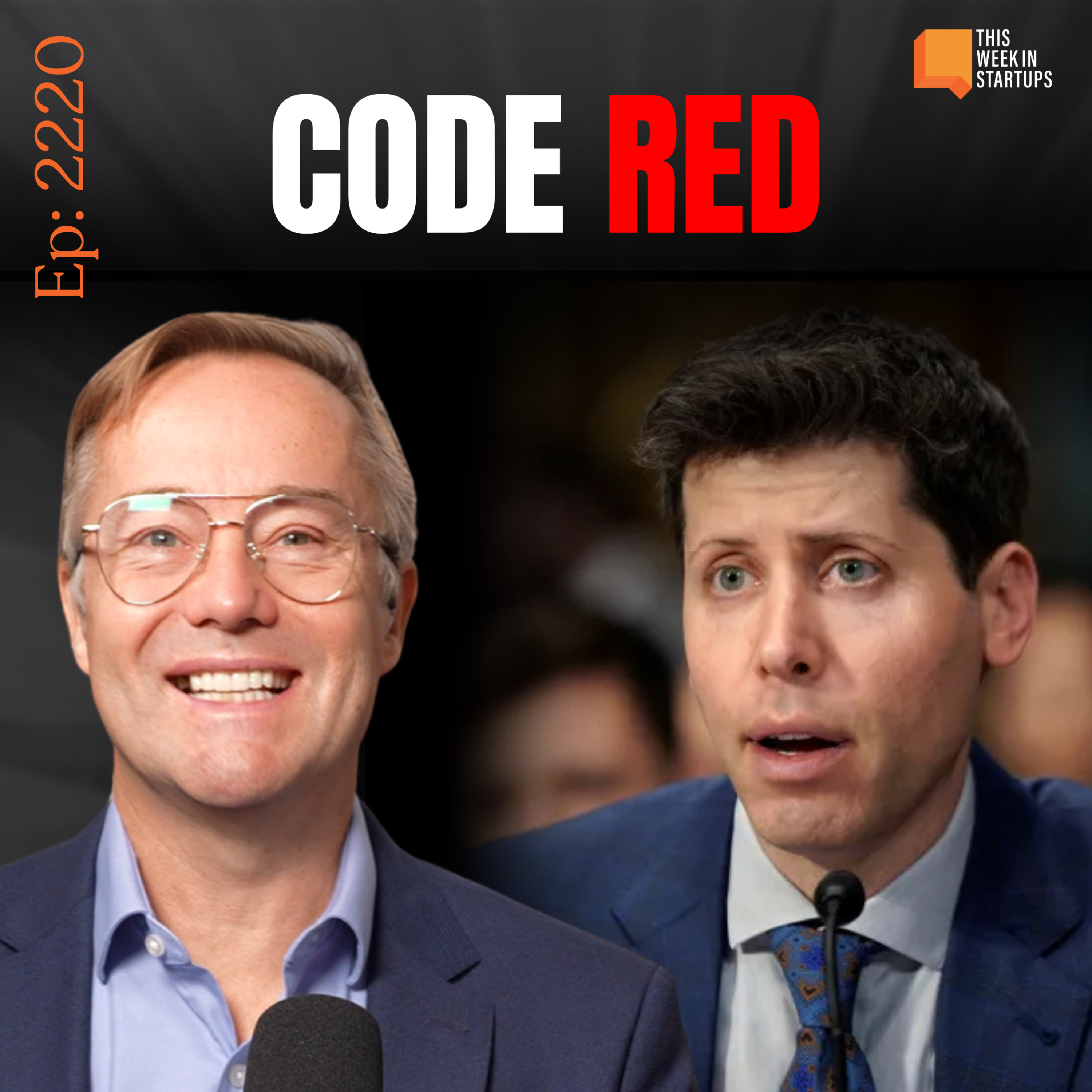
According to Ben Thompson's Aggregation Theory, OpenAI's real moat is its 800 million users, not its technology. By monetizing only through subscriptions instead of ads, OpenAI fails to maximize user engagement and data capture, leaving the door open for Google's resource-heavy, ad-native approach to win.

While competitors focus on subscription models for their AI tools, Google's primary strategy is to leverage its core advertising business. By integrating sponsored results into its AI-powered search summaries, Google is the first to turn on an ad-based revenue model for generative AI at scale, posing a significant threat to subscription-reliant players like OpenAI.

While other AI companies are hesitant, Google is expected to lead LLM ad integration. As a company built on ads, it is culturally positioned to implement monetization quickly and effectively, unlike competitors that may view ads as a necessary evil rather than a core competency.

OpenAI is testing ads on ChatGPT's free tier, mirroring the early monetization paths of Google and Facebook. This move signals the inevitable rise of generative AI platforms as a major advertising channel that marketers will need to understand and master.

Google's search business is incredibly profitable, generating ~$400 per user annually in the US through ads. AI models, which provide direct answers instead of links, break this value capture mechanism. Current alternatives, like subscriptions, cannot yet replicate the scale and profitability of search, posing a direct threat to Google's core business model.
Ben Thompson's analysis suggests OpenAI is in a precarious position. By aggregating massive user demand but avoiding the optimal aggregator business model (advertising), it weakens its defense against Google, which can leverage its immense, ad-funded structural advantages in compute, data, and R&D to overwhelm OpenAI.

The long-term monetization model for consumer LLMs is unlikely to be paid subscriptions. Instead, the market will probably shift toward free, ad- and commerce-supported models. OpenAI's challenge is to build these complex new revenue streams before its current subscription growth inevitably slows.

To avoid the trust erosion seen in traditional search ads, Perplexity places sponsored content in the 'suggested follow-up questions' area, *after* delivering an unbiased answer. This allows for monetization without compromising the integrity of the core user experience.
