Get your free personalized podcast brief
We scan new podcasts and send you the top 5 insights daily.
When a core value conflicts with a primary revenue stream, most leaders compromise. Exceptional leaders embrace the difficulty. As Cloudflare's CEO did, they challenge their team with "let's figure it out," turning a potential crisis into a mission-defining innovation.

Related Insights
True product rebellion isn't just about challenging external factors. The most critical challenge is internal: fighting the urge to avoid conflict and take the easy path. Embracing uncomfortable discussions is key to finding the best answers.

In large companies, a setback means moving to the next project. In a startup, a setback forces a leader to fundamentally re-evaluate the company's mission and survival. The critical difference in leadership is not just resource management but the ability to navigate these existential pivots successfully.

The higher you climb in an organization, the more your role becomes about solving problems. Effective leaders reframe these challenges as rewarding opportunities for great solutions. Without this mindset shift, the job becomes unsustainable and draining.

To avoid stagnation, a business needs a leader with enough ownership to push an opinionated, semi-scary vision. This person acts as a necessary counterbalance to the natural inertia of a scaling company. According to Jason VandeBoom, without this "crazy" innovator, a business will inevitably stall in a rapidly changing market.

In fast-growing, chaotic companies, leaders often feel pressured to have all the answers. This is a trap. Your real job is not to know everything, but to be skilled at finding answers by bringing the right people together. Saying 'I don't know, let's figure it out' is a sign of strength, not weakness.

Corporate politics stems from misaligned incentives that encourage lobbying for self-interest. A CEO can dismantle this by explicitly rewarding collaboration, even if the outcome is imperfect. Valuing how a decision impacts team motivation over simply having the 'right' answer fosters a company-first culture.

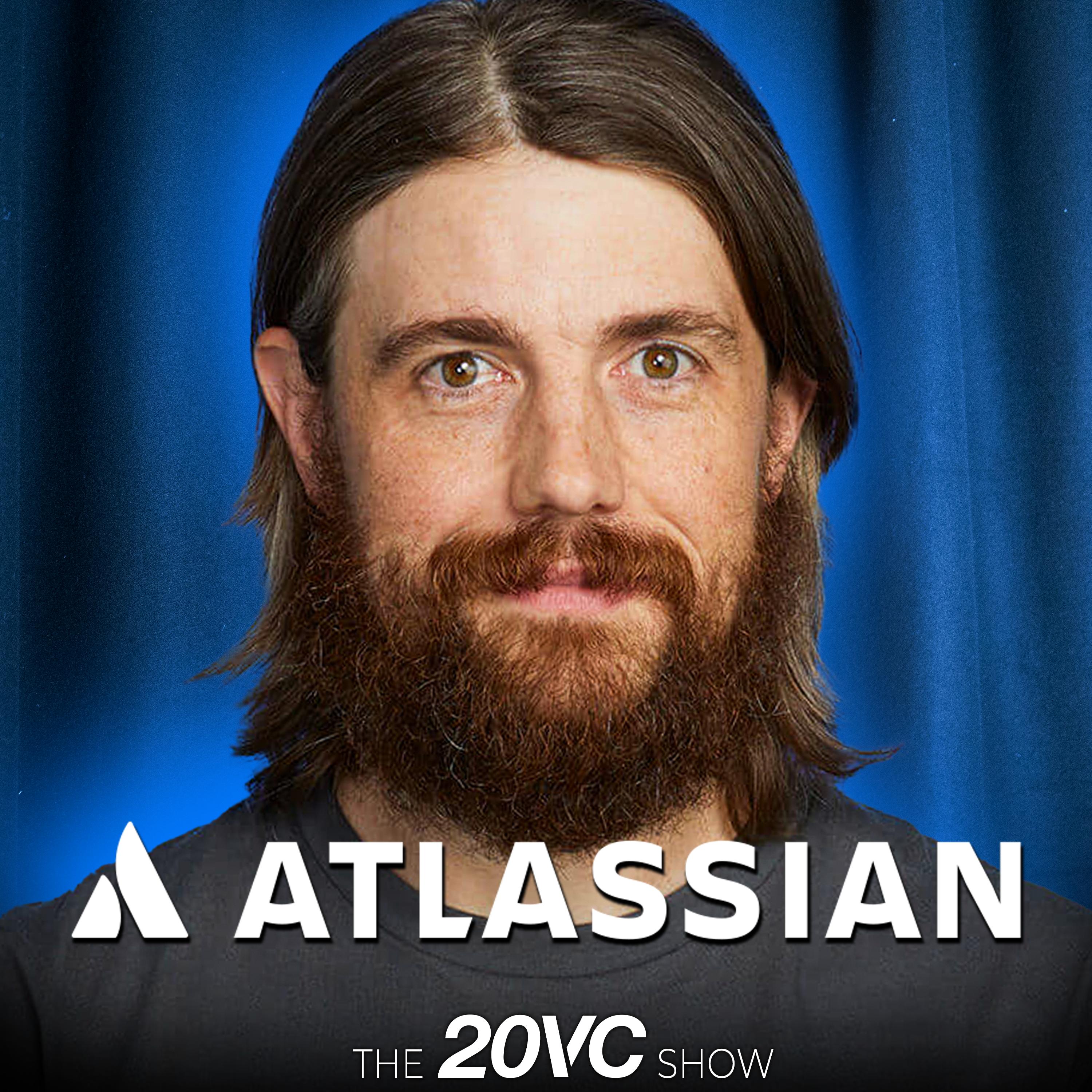
Citing a George Bernard Shaw quote, Atlassian's CEO explains that progress is driven by "unreasonable" individuals who challenge existing systems rather than accepting them. This mindset is essential for innovation, even if it sometimes leads to trouble.
Every business model has inherent challenges (e.g., cash flow for e-commerce, talent for services). Viewing these as "features" of the game you chose, rather than flaws in your business, is crucial. Conquering that specific, inherent struggle is precisely what unlocks massive enterprise value.

Dorsey repeatedly defended projects like Cash App against internal and board opposition, knowingly losing credibility in the short term. He argues this willingness to stake your reputation on a conviction is essential for true innovation.

A business decision aims to gamify and optimize a specific outcome. A principle decision is based on core values, made without knowing the outcome, to be remembered favorably regardless of the result. Sticking to principles may mean losing a short-term battle but ultimately wins the war by building trust.