Get your free personalized podcast brief
We scan new podcasts and send you the top 5 insights daily.
Dorsey repeatedly defended projects like Cash App against internal and board opposition, knowingly losing credibility in the short term. He argues this willingness to stake your reputation on a conviction is essential for true innovation.

Related Insights
For a controversial strategic shift, a co-founder's "moral authority" is invaluable. They can absorb the risk of looking foolish and give up their responsibilities ("Legos") to spearhead a new initiative. This allows them to champion a new direction with a level of credibility that can overcome internal skepticism.

In large organizations with flawed measurement systems, effective marketing requires the courage to challenge the status quo. The best marketers are not afraid to lose their jobs by advocating for consumer truth over internal politics and flawed legacy systems.

True innovation requires leaders to adopt a venture capital mindset, accepting that roughly nine out of ten initiatives will fail. This high tolerance for failure, mirroring professional investment odds, is a prerequisite for the psychological safety needed for breakthrough results.

To avoid stagnation, a business needs a leader with enough ownership to push an opinionated, semi-scary vision. This person acts as a necessary counterbalance to the natural inertia of a scaling company. According to Jason VandeBoom, without this "crazy" innovator, a business will inevitably stall in a rapidly changing market.

True product rebellion isn't disruption for its own sake. It's upholding user needs—which ultimately serve the company—against short-term schemes or departmental politics. This requires strategically giving ground on minor issues to maintain momentum on the most important, long-term goals.

Innovation capital is the credibility needed to win support for unproven ideas. Even top leaders like Salesforce's CEO Mark Benioff consciously build this capital, demonstrating that authority alone is insufficient to drive major innovation initiatives.
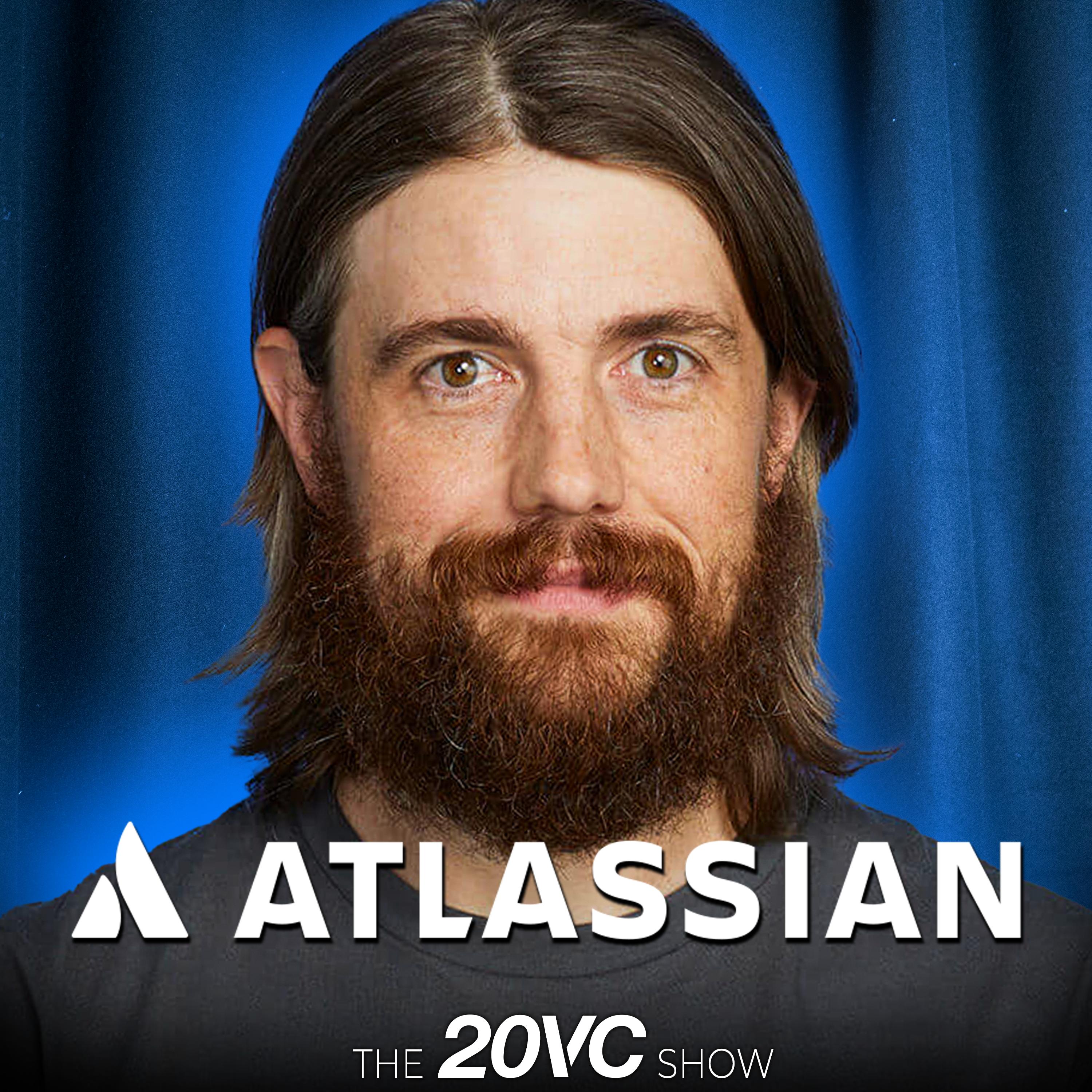
Citing a George Bernard Shaw quote, Atlassian's CEO explains that progress is driven by "unreasonable" individuals who challenge existing systems rather than accepting them. This mindset is essential for innovation, even if it sometimes leads to trouble.
To justify risky, chasm-crossing bets, the entire leadership team must agree that inaction is an existential threat. This alignment is the most difficult step; once achieved, the organization can focus on finding the right solution, knowing the risk is necessary.

Corporate culture often incentivizes conformity. However, true growth requires being a 'growth rebel'—someone with big ideas who can mobilize the organization, even if it means challenging the status quo. In today's market, playing it safe is the biggest risk.

The pursuit of consensus is a dangerous trap for leaders aiming for standout success. Achieving breakthroughs requires the strength to proceed based on intellectual conviction, even amidst friction and criticism. This means accepting that you cannot please everyone and that some will inevitably disagree with your path.
![Luca Ferrari - Building Bending Spoons - [Invest Like the Best, EP.446] thumbnail](https://megaphone.imgix.net/podcasts/b29cbd80-b93a-11f0-a1b7-2b977c9469a2/image/39f7864ea628f71a81b94662bd4a86df.jpg?ixlib=rails-4.3.1&max-w=3000&max-h=3000&fit=crop&auto=format,compress)