Get your free personalized podcast brief
We scan new podcasts and send you the top 5 insights daily.
Allspring CEO Kate Burke initially saw the Chief Talent Officer role as a step away from revenue generation. She later realized it provided critical training in team building and strategy, ultimately becoming the best preparation for her CEO position by giving her a seat at the senior leadership table.

Related Insights
CEO Marc Salzberg wears CEO, CMO, and Board Chair hats, acknowledging it's a temporary "big stretch." This demonstrates a practical early-stage strategy where a leader covers multiple critical functions to save capital and ensure continuity, with a clear plan to hire dedicated experts as the company matures.

David Solomon, who describes himself as an 'unlikely CEO,' advises future leaders to concentrate on acquiring a broad range of skills by taking on diverse roles. He suggests focusing on mastering the craft rather than targeting the top job allows for serendipity and a more organic path to leadership.

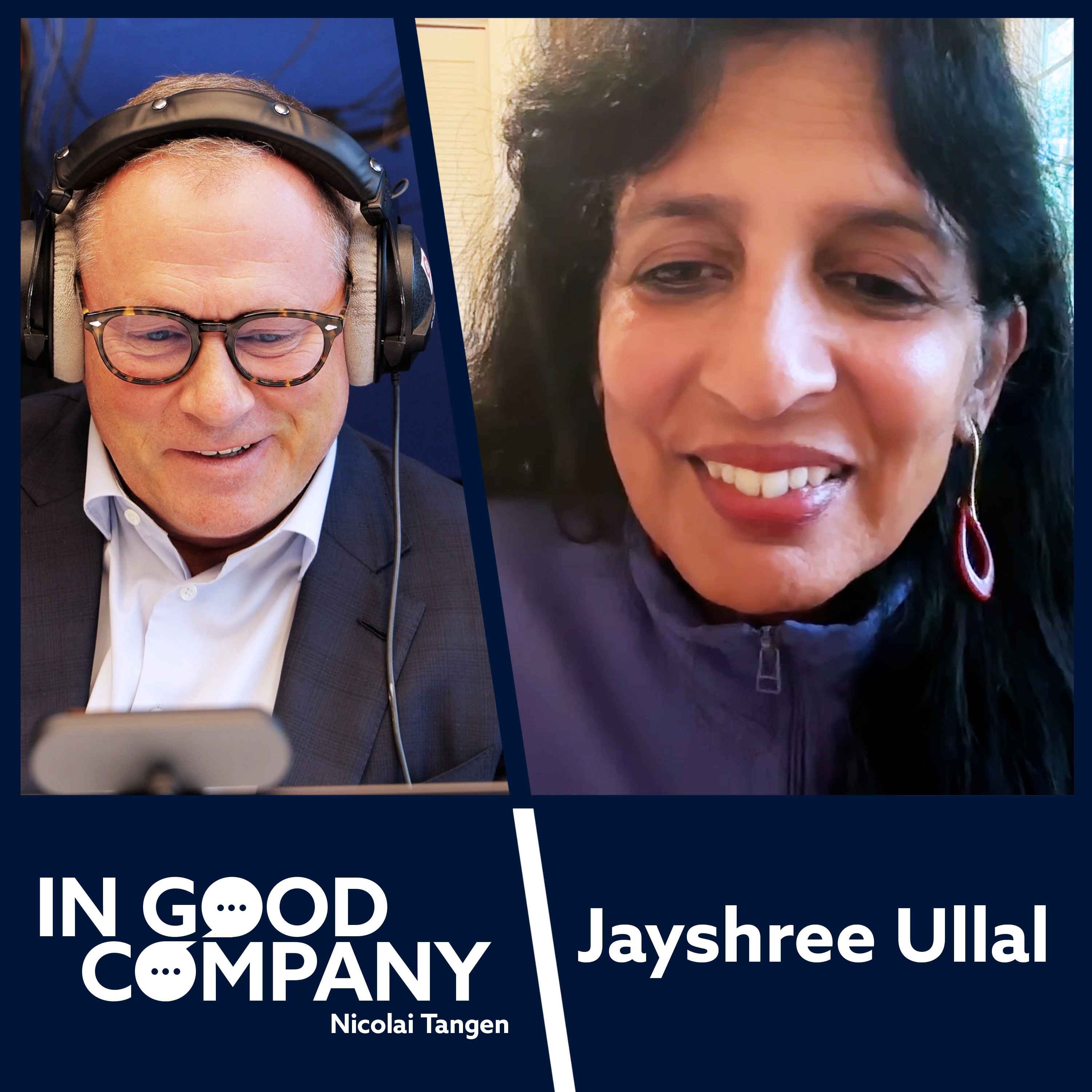
Jayshree Ullal never planned to be a CEO, finding joy in working directly with engineers to build products for customers. This deep focus on product and team, rather than on title or corporate ladder, ultimately led her to the executive role when she sought a more impactful environment after her time at Cisco.
Rather than seeking traditional mentors, Allspring CEO Kate Burke advises building a personal "board of directors." This is a curated, dynamic group of people from different areas of your life who provide diverse perspectives on challenges, with members rotating as your career and life evolve.
Unlike a functional manager who can develop junior talent, a CEO lacks the domain expertise to coach their entire executive team (e.g., CFO, VP of HR). A CEO's time is better spent hiring world-class leaders who provide 'managerial leverage' by bringing new ideas and driving their function forward, rather than trying to fix people in roles they've never done.

By acting as a forward-deployed engineer in the early days, the CTO gained deep customer and sales motion insights. This direct market experience was crucial for his successful transition into the CEO role.
Harvey's COO doesn't own a single function like GTM. Instead, she tackles complex, cross-functional initiatives that the CEO would otherwise have to lead. She manages stakeholders and synthesizes options, effectively acting as a clone of the CEO for driving company-wide strategic projects and increasing his leverage.

The founder hired an experienced CEO and then rotated through leadership roles in different departments (brand, product, tech). This created a self-designed, high-stakes apprenticeship, allowing him to learn every facet of the business from experts before confidently retaking the CEO role.

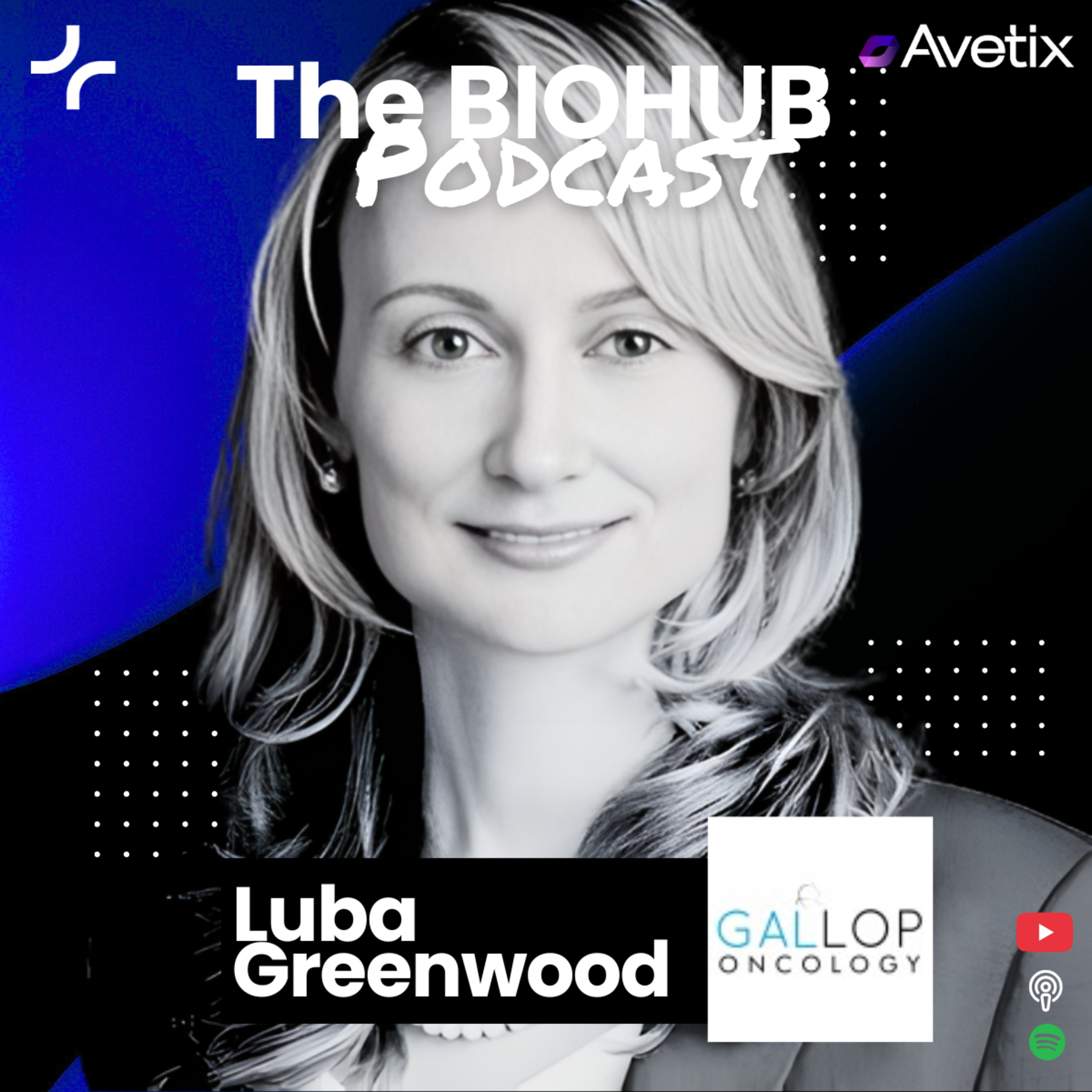
Investor preference for CEOs has shifted dramatically. While 2019-2021 favored scientific founder-CEOs, today’s tough market demands leaders with prior CEO experience. The ideal candidate has a "matrix organization" background, understanding all business functions, not just the science.
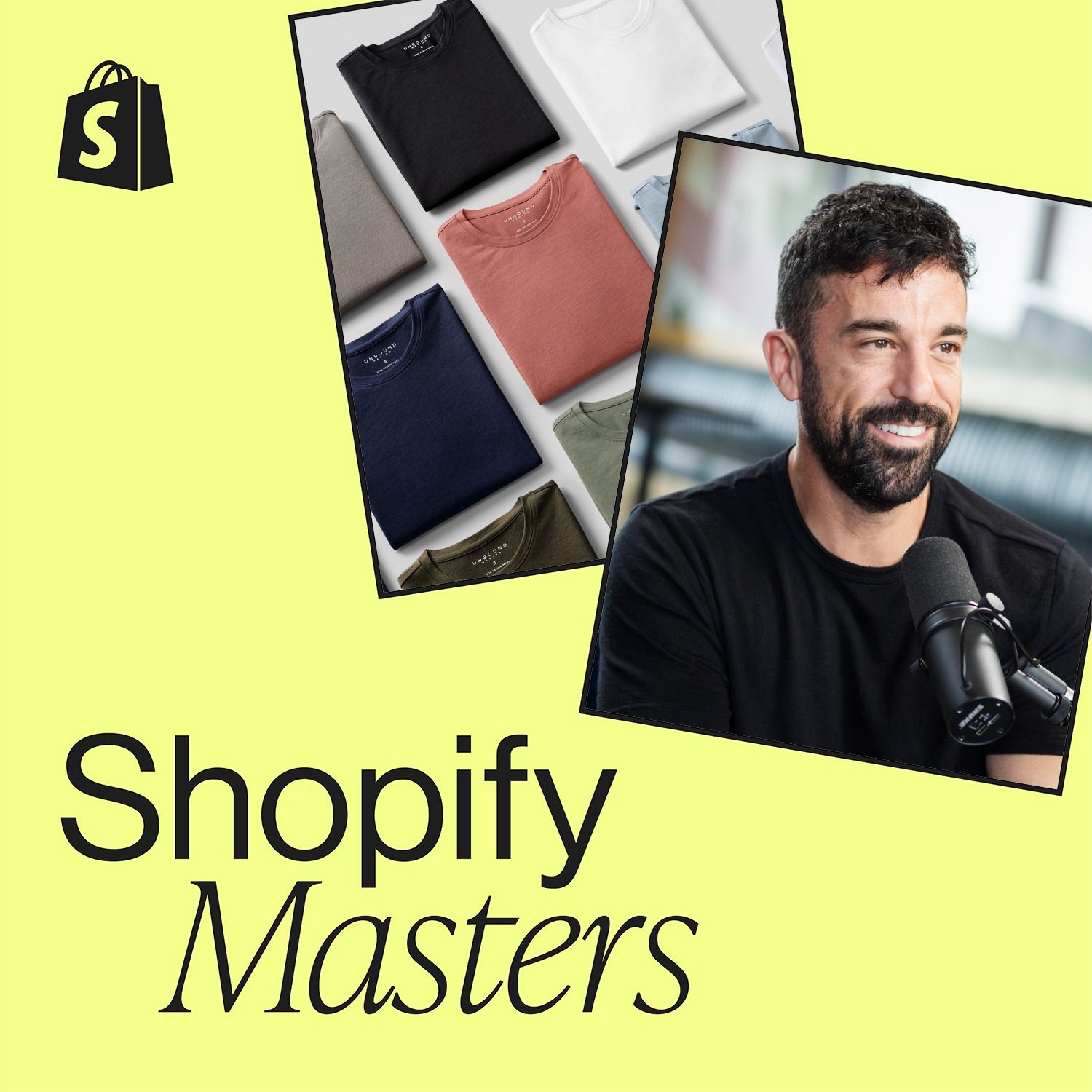
To transition from founder to CEO, Unbound Merino's co-founder admitted his own uncertainty and directly asked his top executive what she needed from him to consider him a great CEO. This act of vulnerability built trust and provided a clear path for his leadership development.