Get your free personalized podcast brief
We scan new podcasts and send you the top 5 insights daily.
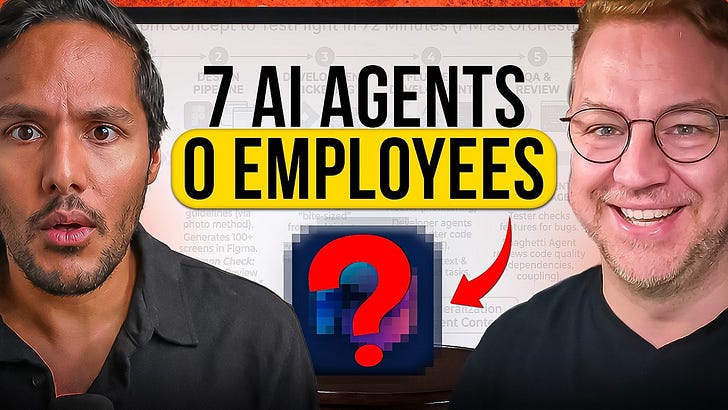
A powerful way to structure your AI agent system is to create a "PM agent" that acts purely as an orchestrator. It receives a task, then delegates to specialized agents (e.g., Designer, Engineer, Researcher), mimicking a real product manager's role.

Related Insights
The creator of Claude Code's workflow is no longer about deep work on a single task. Instead, he kicks off multiple AI agents ("clods") in parallel and "tends" to them by reviewing plans and answering questions. This "multi-clotting" approach makes him more of a manager than a doer.

Claude's multi-agent API enables defining an "orchestrator" agent to manage "delegate" agents, each with unique toolsets. This creates a programmable, specialized team that mirrors human organizational structures, providing a sophisticated model for tackling complex, multi-faceted problems programmatically.
True Agentic AI isn't a single, all-powerful bot. It's an orchestrated system of multiple, specialized agents, each performing a single task (e.g., qualifying, booking, analyzing). This 'division of labor,' mirroring software engineering principles, creates a more robust, scalable, and manageable automation pipeline.

Structure your AI automations architecturally. Create specialized sub-agents, each with a discrete 'skill' (e.g., scraping Twitter). Your main OpenClaw agent then acts as an orchestrator, calling these skilled sub-agents as needed. This frees up the main agent and creates a modular, powerful system.
To manage a team of specialist agents, designate one as a 'Chief of Staff' or manager. This manager agent can conduct bi-weekly performance reviews of the other agents, grade their output, and send a summary report to the human user, elevating your role from micromanaging tasks to high-level strategic oversight.
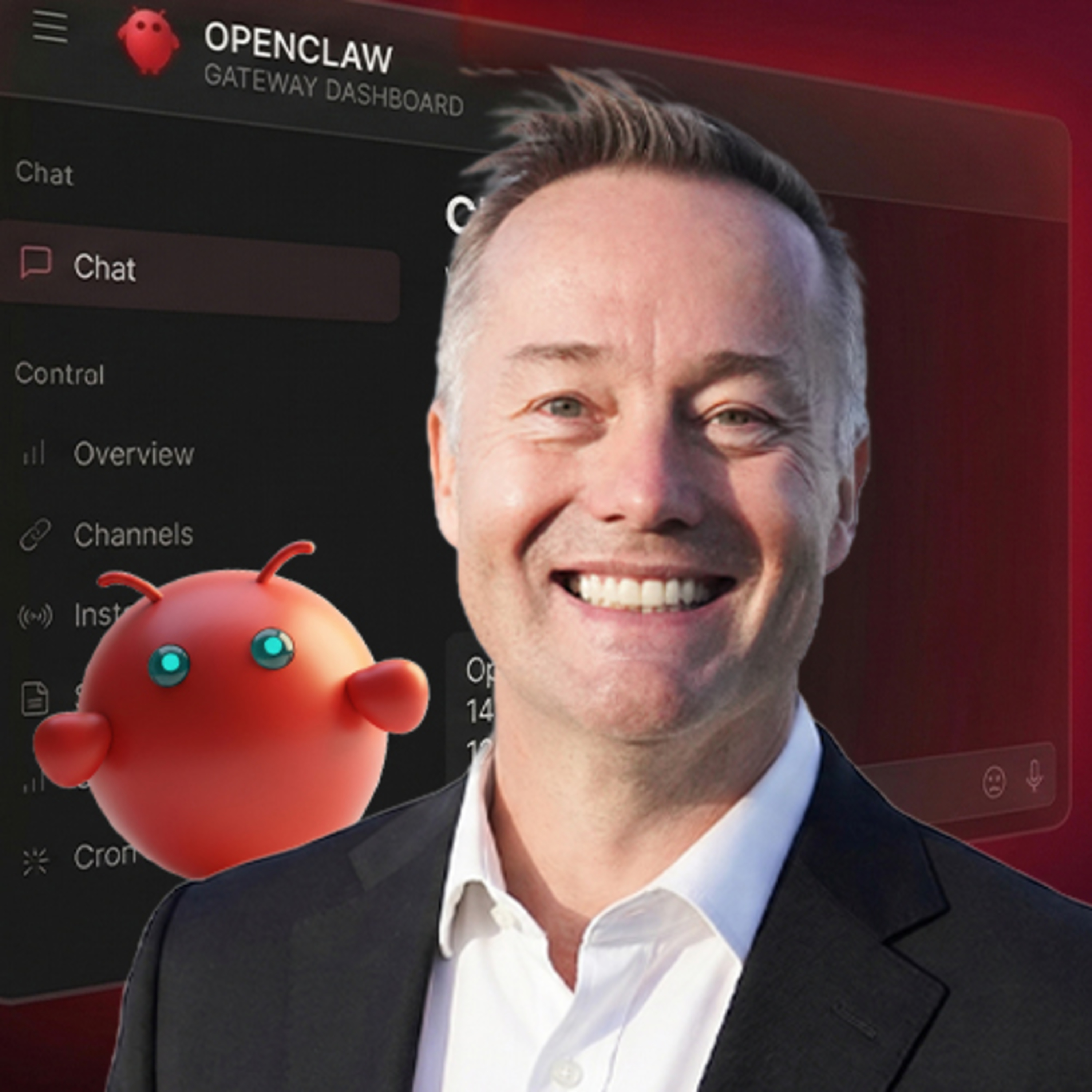
Cowork's interface for managing multiple tasks within a project allows any user to act as an "AI orchestrator." You get a high-level dashboard to run many agents at once, see which ones need attention, and grant permissions, much like a developer managing microservices.

Instead of holding context for multiple projects in their heads, PMs create separate, fully-loaded AI agents (in Claude or ChatGPT) for each initiative. These "brains" are fed with all relevant files and instructions, allowing the PM to instantly get up to speed and work more efficiently.

Instead of using simple, context-unaware cron jobs to keep agents active, designate one agent as a manager. This "chief of staff" agent, possessing full context of your priorities, can intelligently ping and direct other specialized agents, creating a more conscious and coordinated team.

Instead of creating one monolithic "Ultron" agent, build a team of specialized agents (e.g., Chief of Staff, Content). This parallels existing business mental models, making the system easier for humans to understand, manage, and scale.
Gabor Meyer replicates a real-world software team by creating specialized AI agents for roles like CTO, System Analyst, and Designer. This structured approach, rather than using a single generalist AI, produces a higher quality, maintainable end product.