Get your free personalized podcast brief
We scan new podcasts and send you the top 5 insights daily.
The speaker traces his podcasting career back to a single choice to invest in a writing course. This highlights a key insight: investing in your skills doesn't just improve them, it creates serendipitous opportunities. The compounding returns on self-investment often manifest in unexpected career paths and connections you couldn't have planned.
Related Insights
While market investments are crucial, the highest returns come from investing in yourself. A one-time $2,000 investment in a sales skill can create a permanent $35,000 annual increase in investable income. Skills trade in today's dollars, making them inflation-proof and powerful wealth accelerators.

Frustration in learning stems from expecting an immediate return from a single course. True mastery requires collecting various prerequisite skills, like building a bridge plank by plank. The final piece connects everything and unlocks the reward, making earlier 'failed' investments retroactively valuable.
Long-term success isn't built on grand, singular actions. It's the cumulative effect of small, consistent, seemingly insignificant choices made over years that creates transformative results. Intense, infrequent efforts are less effective than daily, minor positive habits.

Living below your means does more than build a nest egg; it creates personal "optionality." This financial freedom is a powerful asset, enabling significant life pivots like career changes or entrepreneurship. This empowerment to seize unforeseen opportunities is the true, invaluable return on saving, surpassing the material goods one forgoes.

Since the brain builds future predictions from past experiences, you can architect your future self by intentionally creating new experiences today. By exposing yourself to new ideas and practicing new skills, you create the seeds for future automatic predictions and behaviors, giving you agency over who you become.

A major career breakthrough isn't a single lucky shot but a rapid sequence of events where being prepared for one opportunity immediately creates the next. The success of a key performance created the audience for a comedy special, which in turn sold out arenas, demonstrating a powerful compounding effect.

Creating a long-term career master plan is often counterproductive, leading people onto generic conveyor belts like consulting or banking. A better strategy is to consistently choose the best opportunity available at the moment. Optimizing for the right things in the short term allows for more powerful, organic compounding over time.

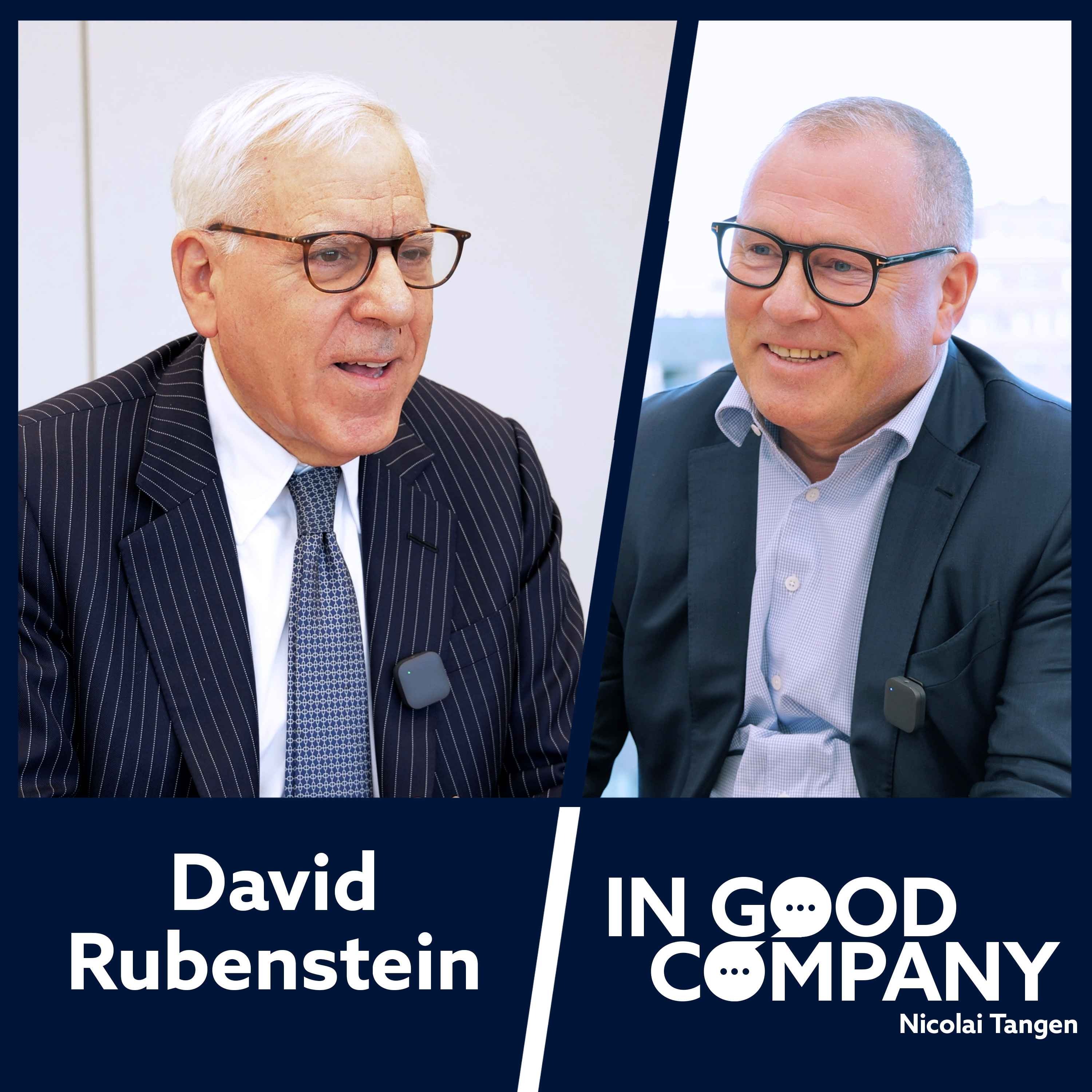
David Rubenstein's successful second act as a TV interviewer wasn't a planned career move calculated with consultants. It emerged organically from a simple need to make his firm's investor events less boring. This highlights how the most transformative professional opportunities often arise from solving unexpected problems, not from a formal strategic plan.
Author Mike Perry's first $1000 freelance check was invested on a friend's advice. Even though it was years before he could add to it, this single act created a foundation of financial security that enabled him to continue making art without constant money worries.
The goal for your 20s is a two-step process. First, earn money by trading your time. Then, use that money to go deep on one high-value "meta-skill" (like sales or coding) that makes learning other skills easier. Avoid diversification and focus intensely on mastering that one thing.
