Get your free personalized podcast brief
We scan new podcasts and send you the top 5 insights daily.
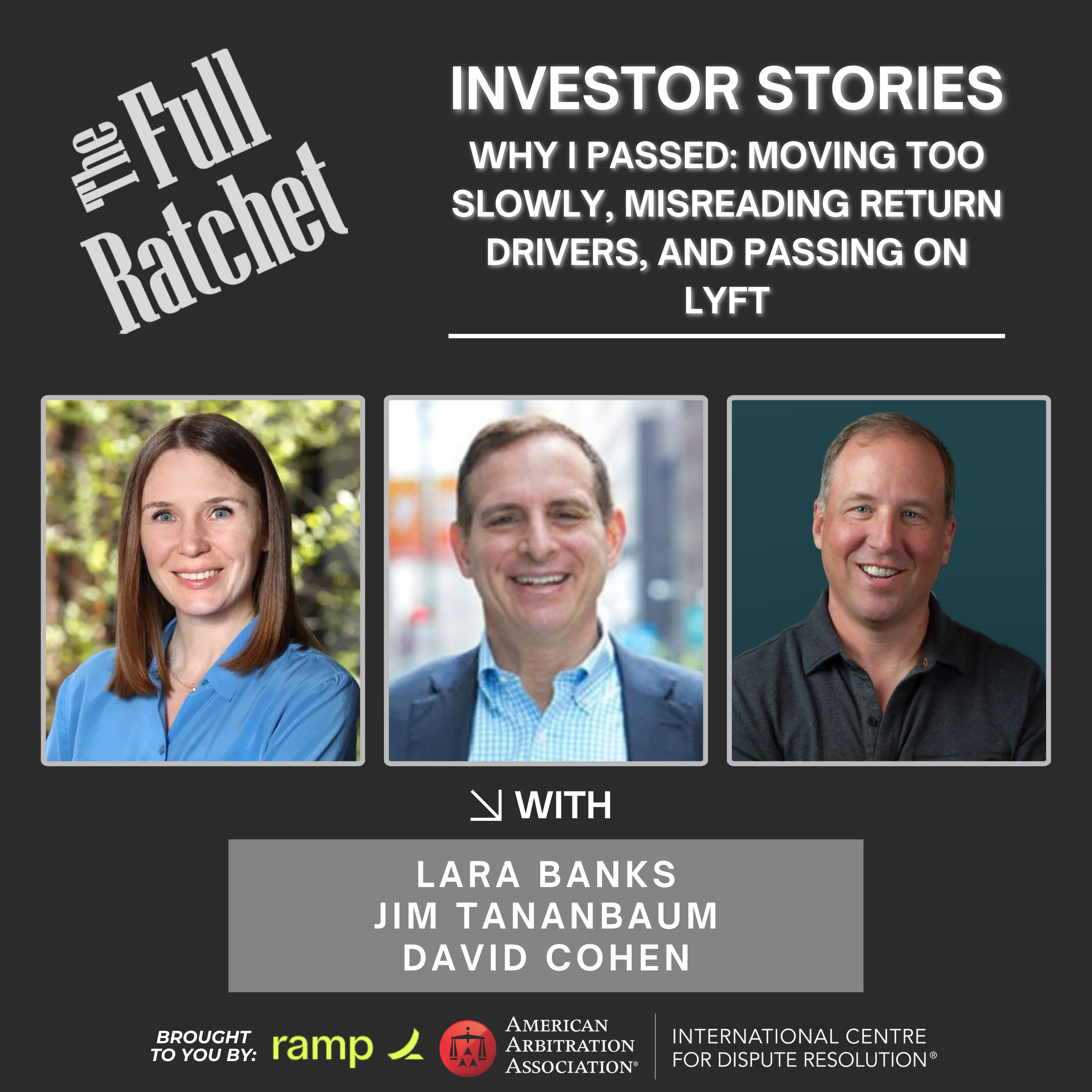
David Cohen missed investing in Lyft (then Zimride) because he was already an investor in Uber and thought Zimride's initial idea was flawed. He now advises early-stage investors to prioritize a strong team and their market belief over the specific initial product, as pivots are very common.
Related Insights
Many late-stage investors focus heavily on data and metrics, forgetting that the quality of the leadership team remains as critical as in the seed stage. A new CEO, for example, can completely pivot a large company and reignite growth, a factor that quantitative analysis often misses.
David Cohen of Techstars advises founders to request references from a VC's failed investments. This reveals how an investor behaves during difficult times, providing a more honest assessment of their character and support level than speaking only with successful founders.

Samesh Dash of IVP passed on DoorDash because he couldn't reconcile its negative gross margins with its valuation. This highlights the venture dilemma of choosing between a visionary founder with a massive vision and the harsh reality of current, unsustainable unit economics during a heavy investment phase.
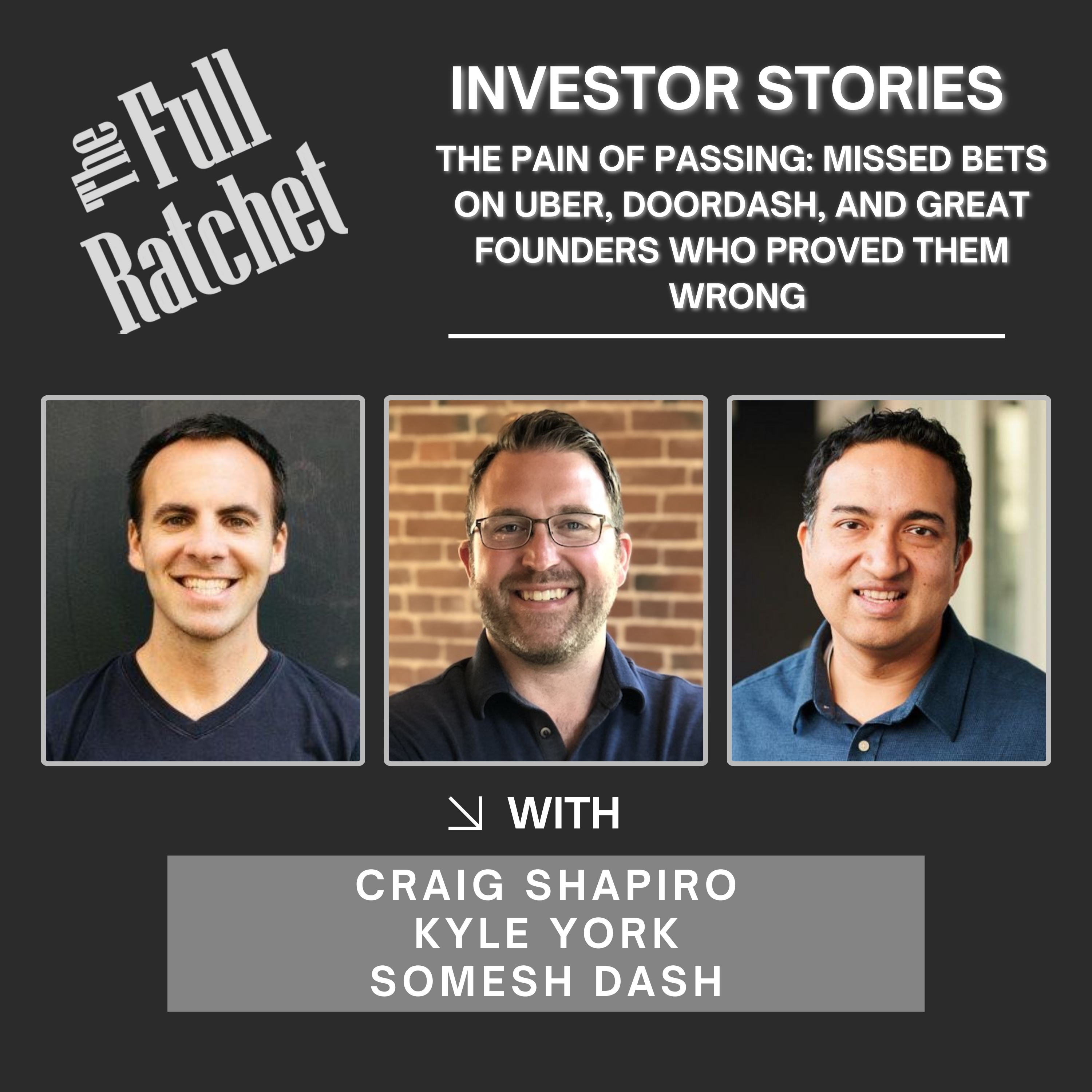
Collaborative Fund's Craig Shapiro passed on Uber's seed round ($4M valuation) because he perceived it as a 'black car' service for the rich. This highlights the common investor mistake of underestimating a market by failing to see how a premium service can eventually democratize an entire industry.
When making early-stage investments, avoid the common pitfall of betting on just a great idea or just a great founder. A successful investment requires deep belief in both. Every time the speaker has invested with only one of the two criteria met, they have lost money. The mandate must be 'two for two.'

When evaluating investments, Danny Meyer prioritizes leadership quality over the initial concept. He believes a strong leader can pivot and improve a mediocre idea, whereas even a brilliant concept is doomed to fail under poor leadership. This highlights the primacy of execution over ideation for investors.

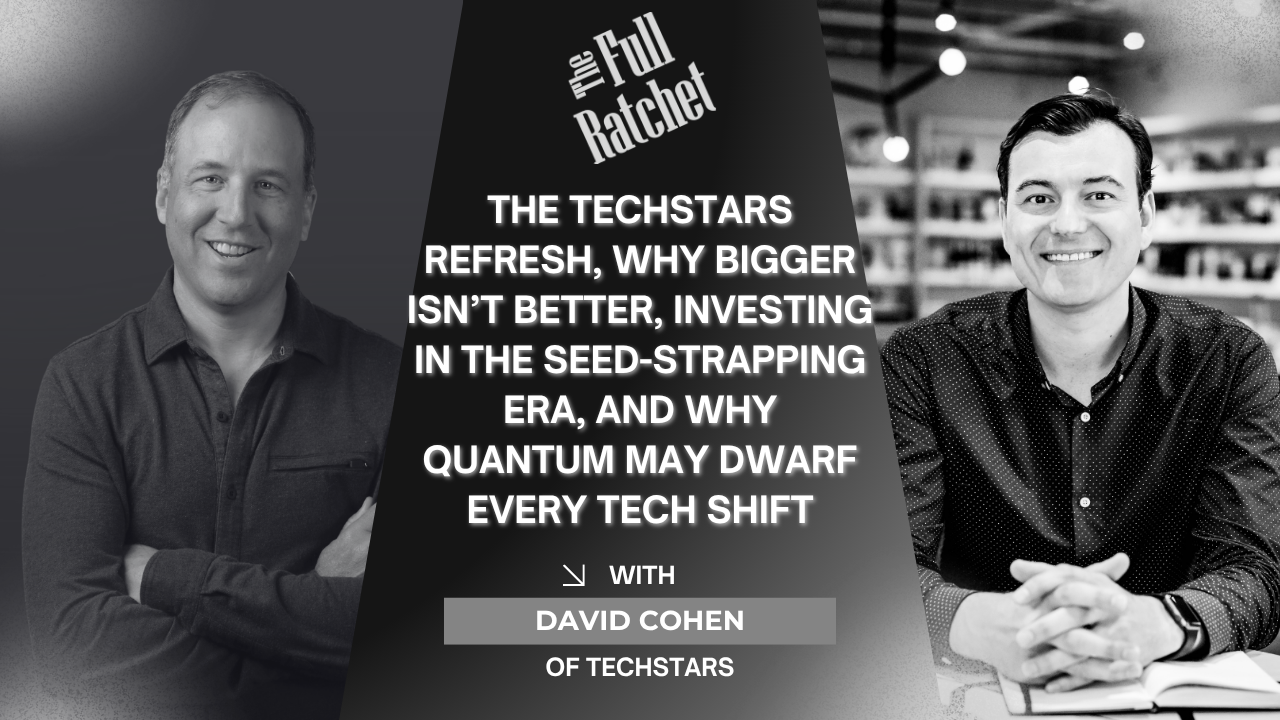
Upon returning as CEO, David Cohen implemented a 'better is better, not bigger is better' philosophy at Techstars. This strategic shift prioritizes improving the quality of the investment offer, selection process, and founder experience over simply increasing the number of companies funded. It's a crucial lesson for any organization that risks mistaking sheer growth for progress.
Kyle York of York IE passed on Adhawk despite loving the founder because of a recent bad experience in the ad tech industry. The founder later pivoted the company into a SaaS platform for the flooring industry (Broadloom) and achieved a great exit, demonstrating that strong founders can escape challenging markets.
A truly exceptional founder is a talent magnet who will relentlessly iterate until they find a winning model. Rejecting a partnership based on a weak initial idea is a mistake; the founder's talent is the real asset. They will likely pivot to a much bigger opportunity.

Lonsdale recounts passing on brilliant founders with seemingly terrible ideas, only to watch them pivot and build billion-dollar companies like Cursor. The lesson for early-stage investors is to prioritize backing exceptional, world-class talent, even if their initial concept seems flawed, as they possess the ability to find a winning strategy.
