Get your free personalized podcast brief
We scan new podcasts and send you the top 5 insights daily.
Comedians who build their brands on being 'free speech warriors' and criticizing censorship reveal their hypocrisy when they accept large payments from Saudi Arabia under contracts that explicitly forbid criticizing the kingdom. Their principles are abandoned for financial gain, exposing their activism as performative.

Related Insights
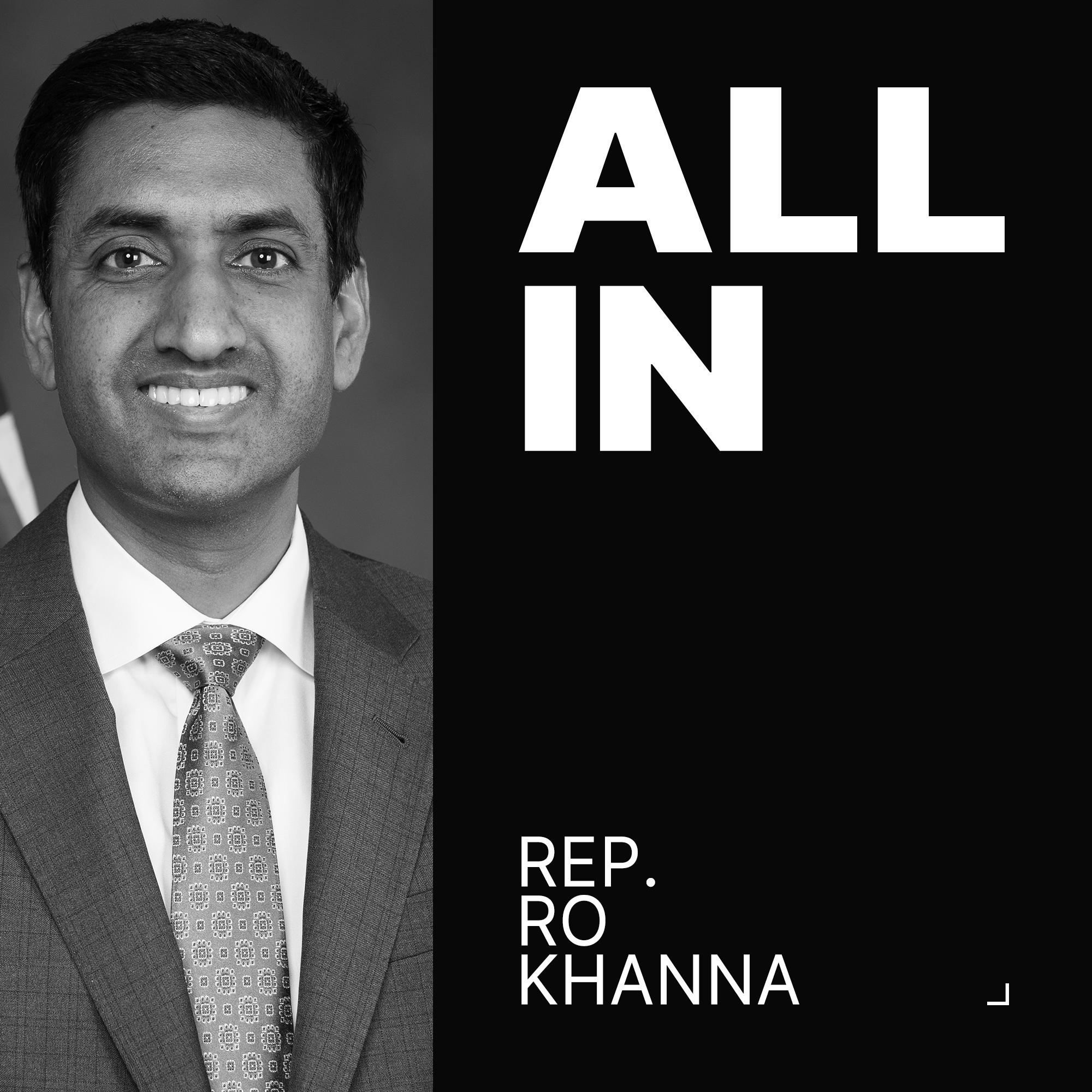
Ro Khanna argues that the true measure of a commitment to free speech isn't defending allies, but defending the speech of opponents. He builds credibility by citing his record of defending views he disagrees with, asserting this consistency is lacking on both political sides.
Pressuring individuals or brands to speak on every current event is counterproductive. This external demand often leads to 'performative activism'—watered-down, disingenuous statements made out of obligation, not conviction. True impact comes from speaking on issues one genuinely cares about and understands.

The line between irony and sincerity online has dissolved, creating a culture of "kayfabe"—maintaining a fictional persona. It's difficult to tell if polarizing figures are genuine or playing a character, and their audience often engages without caring about the distinction, prioritizing the meta-narrative over reality.

Senator Ed Markey argues that government overreach succeeds partly because large media companies choose to "roll over" and pay fines or accept chilling effects rather than legally challenging threats to their First Amendment rights. This corporate capitulation is a key, overlooked factor in the erosion of free speech.

Legal frameworks to punish 'hate speech' are inherently dangerous because the definition is subjective and politically malleable. Advocating for such laws creates a tool that will inevitably be turned against its creators when political power shifts. The core principle of free speech is protecting even despicable speech to prevent this tyrannical cycle.
True corporate values are steadfast principles that guide a company regardless of the political or social climate. Values that are easily discarded when they become controversial are not core values but rather branding exercises. This inauthenticity risks significant consumer backlash when exposed.
Proponents of engaging with regimes like Saudi Arabia often pivot from specific moral criticisms (e.g., murdering journalists) to comparative flaws in Western democracies (e.g., gun violence). This "whataboutism" is a rhetorical strategy to reframe the debate and justify actions by implying moral equivalence.
The common mantra 'go woke, go broke' is backward. US media revenue cratered 75% due to the internet's rise. This financial brokenness forced extreme message discipline ('wokeness') as a desperate survival strategy to retain jobs and a shrinking audience base. Financial collapse preceded the ideological shift.

While both the Biden administration's pressure on YouTube and Trump's threats against ABC are anti-free speech, the former is more insidious. Surreptitious, behind-the-scenes censorship is harder to identify and fight publicly, making it a greater threat to open discourse than loud, transparent attacks that can be openly condemned.

CEO Dario Amodei rationalized accepting Saudi investment by arguing it's necessary to remain at the forefront of AI development. He stated that running a business on the principle that "no bad person should ever benefit from our success" is difficult, highlighting how competitive pressures force even "safety-first" companies into ethical compromises.