Get your free personalized podcast brief
We scan new podcasts and send you the top 5 insights daily.
Unlike search ads that target keywords, ChatGPT ads will target a user's intent inferred from a conversation. The system essentially qualifies the user's needs *before* showing an ad, resulting in traffic that is already in a buying mindset and more likely to convert.

Related Insights
Traffic from ChatGPT ads is expected to convert at a far higher rate than traditional search. Early advertisers can capitalize on this by buying ads for much less than their true value before the market matures and costs normalize, creating a significant arbitrage window.
Data from SimilarWeb indicates that users referred from ChatGPT show dramatically higher engagement and conversion. They spend 3x more time on site, view 25% more pages, and have a 7% conversion rate compared to 5% from Google. This suggests LLMs are a powerful platform for high-intent advertising.

Users originating from an AI source like ChatGPT convert at a 26% higher rate. While the traffic volume is lower than traditional SEO, the intent is much higher because users have already refined their needs through conversation. This makes integrating with AI platforms a highly effective user acquisition channel.

Search Atlas data reveals users arriving from ChatGPT are significantly more likely to convert. These users have already conducted deep, conversational research within the LLM, answering many of their own questions before landing on a website. This pre-qualification means they arrive with much higher purchase intent compared to traditional search users.

Despite not having a formal integration yet, Airbnb has found that users who click through to their site from a ChatGPT session are more likely to book than users arriving from a traditional Google search. This suggests LLM-driven discovery produces highly qualified, high-intent leads for transactional businesses.
Unlike search, where users click to research, AI platforms create a "dark funnel" where the entire research process occurs pre-click. By the time a user clicks through to a brand's site, they have already completed their evaluation and are ready to transact, resulting in higher-quality leads.
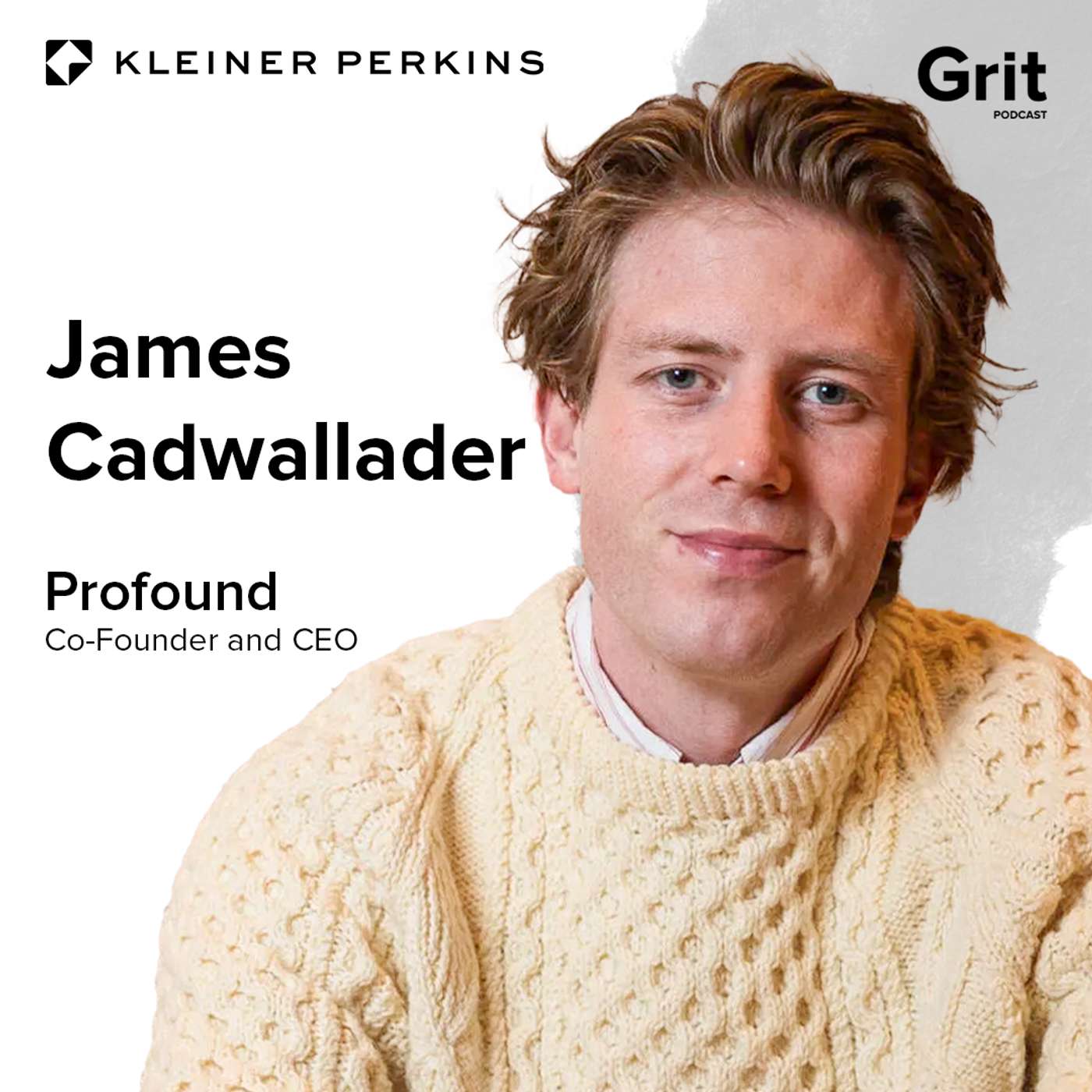
The speaker's firm saw a 50% traffic drop after Google's AI Overview launch, yet leads from tools like ChatGPT grew 500%. This suggests that while AI-driven search reduces overall traffic volume, the visitors it does send have higher purchase intent and are better qualified.

Visitors arriving from AI-powered search tools like ChatGPT are highly qualified, having used detailed prompts to find a specific solution. This pre-qualification leads to significantly higher engagement and conversion rates—reportedly 7-8x higher than typical ads or organic search—making AI optimization a high-leverage activity.
Traffic driven by answer engines is significantly more qualified. Webflow observed a 600% higher conversion rate from LLM referrals compared to traditional search. This is likely because users have higher intent after a detailed conversational query process, making AEO a highly valuable channel.

A user arriving from ChatGPT has likely already used the AI to research, compare options, and make a decision. This pre-qualification process means the traffic is extremely high-intent, leading to conversion rates (12% for one brand) that are an order of magnitude higher than typical benchmarks.