Get your free personalized podcast brief
We scan new podcasts and send you the top 5 insights daily.
Zelenskyy explained that finding mass civilian graves in Bucha permanently shifted the conflict from an interstate war into an irreconcilable tragedy. When citizens witness loved ones tortured and executed, calls from foreign leaders to accept compromises feel impossible to honor without formal legal accountability and punishment for war crimes.

Related Insights
The war in Ukraine is best understood as a "hurting stalemate," where neither side can achieve a decisive victory. Instead, each focuses on inflicting maximum pain and cost on the other—militarily, economically, and on civilian populations—hoping to break the adversary's political will to continue fighting.

Contrary to popular hope, a scenario where Ukraine fully expels Russia and regains all territory is a 'total fantasy.' Based on historical precedent, the war has only two realistic outcomes: a Ukrainian collapse under sustained pressure or a compromise peace that grants Russia de facto control of some territory.

There's a high risk that the EU, facing its own fiscal pressures, will not fulfill its promises of membership and reconstruction aid to Ukraine after the war. This could foster a powerful and destabilizing 'betrayal narrative' within Ukraine, which sees itself as having fought for Europe's security.
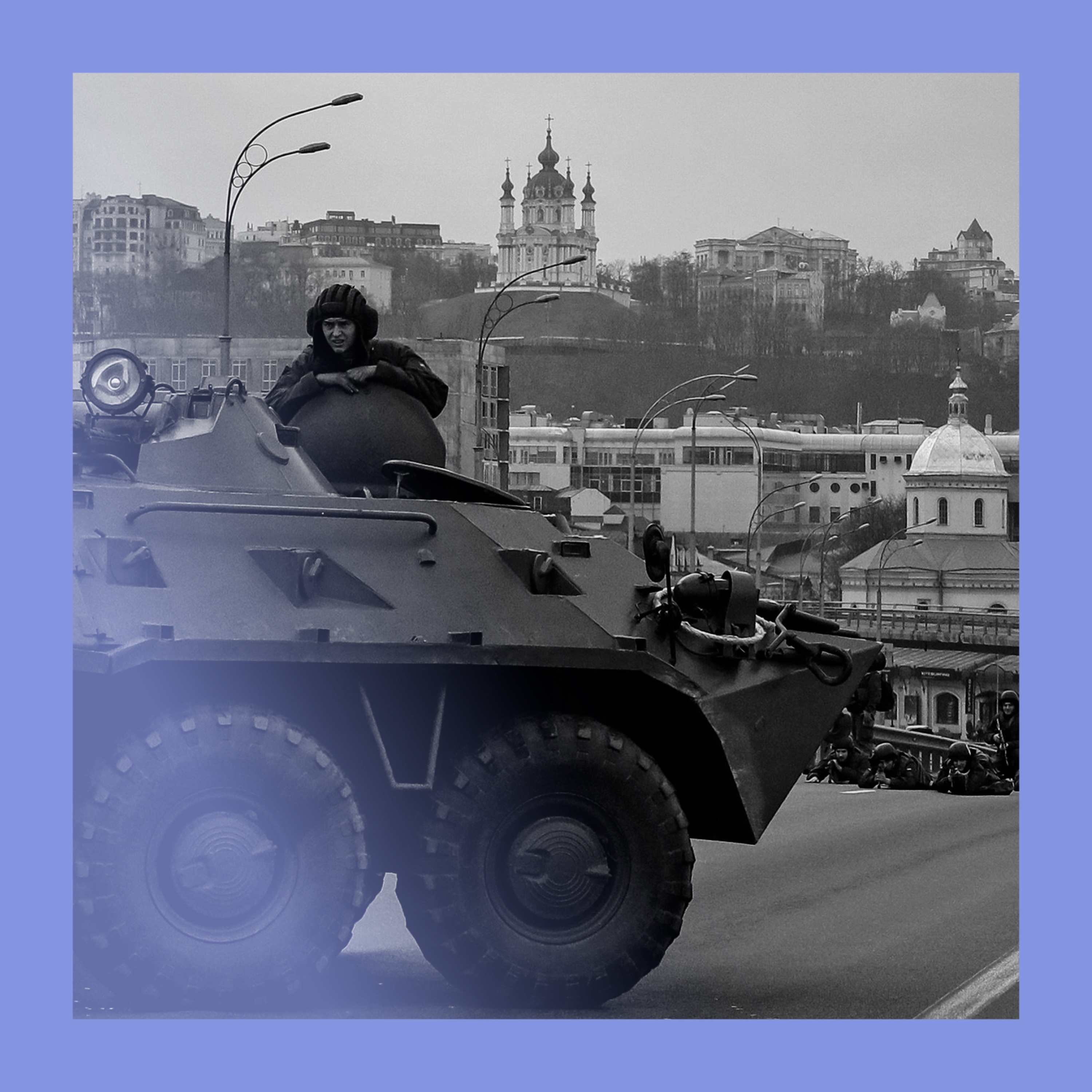
Tom says there is no real international court or enforceable law above sovereign states; the winner decides whether to put the loser on trial. That means Ukraine must first survive and win on the battlefield before any real legal accountability for Russia becomes possible.

Beneath the official government narrative of resilience and total victory, a significant portion (40%) of the Ukrainian population is tired of the war and now open to a compromise to end the fighting, revealing significant war fatigue.
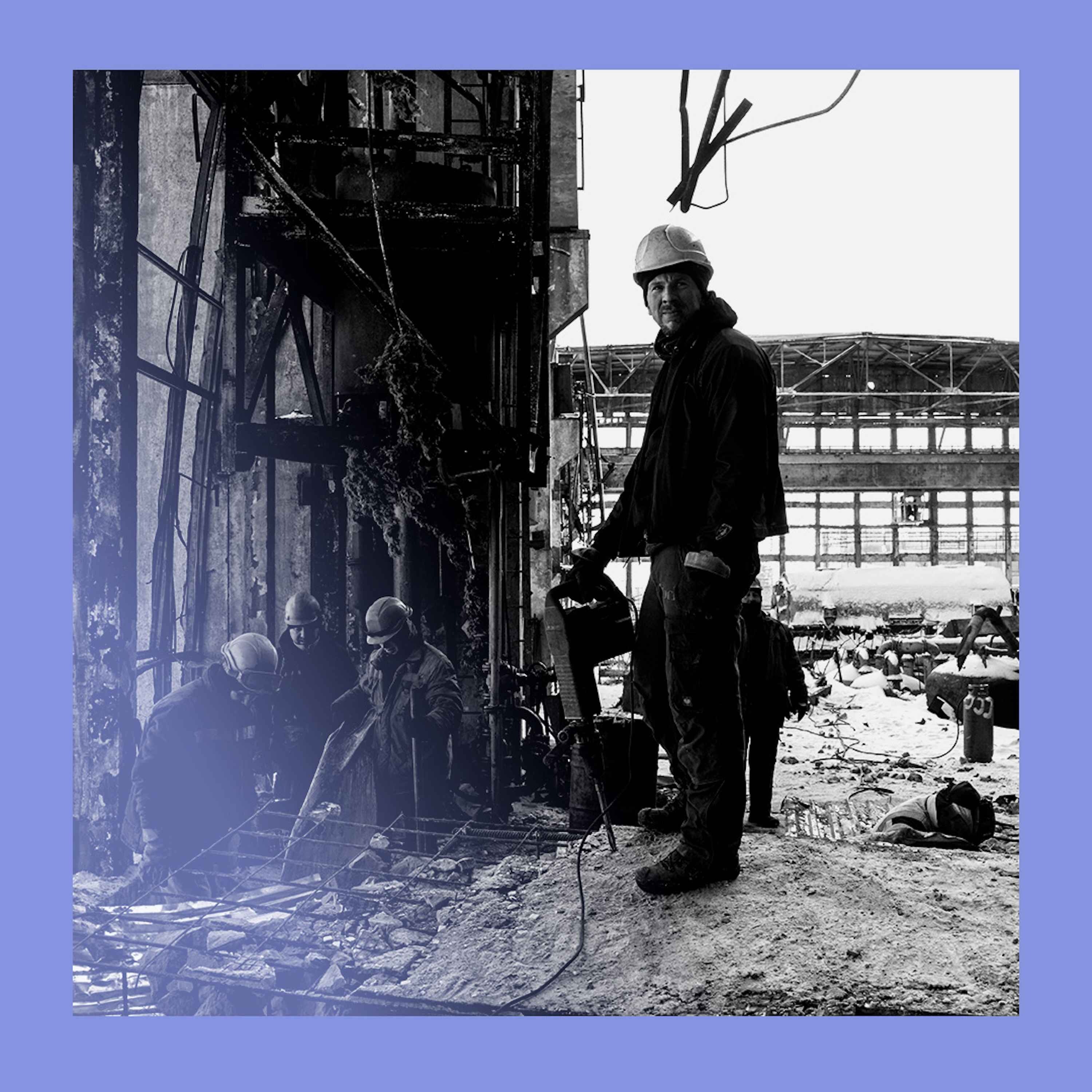
The new Syrian government is fast-tracking high-profile trials not just for international legitimacy but to quell rising street-level vengeance. Without official state action, reprisal killings and sectarian attacks threaten to destabilize the country, making the trials a critical tool for national security.
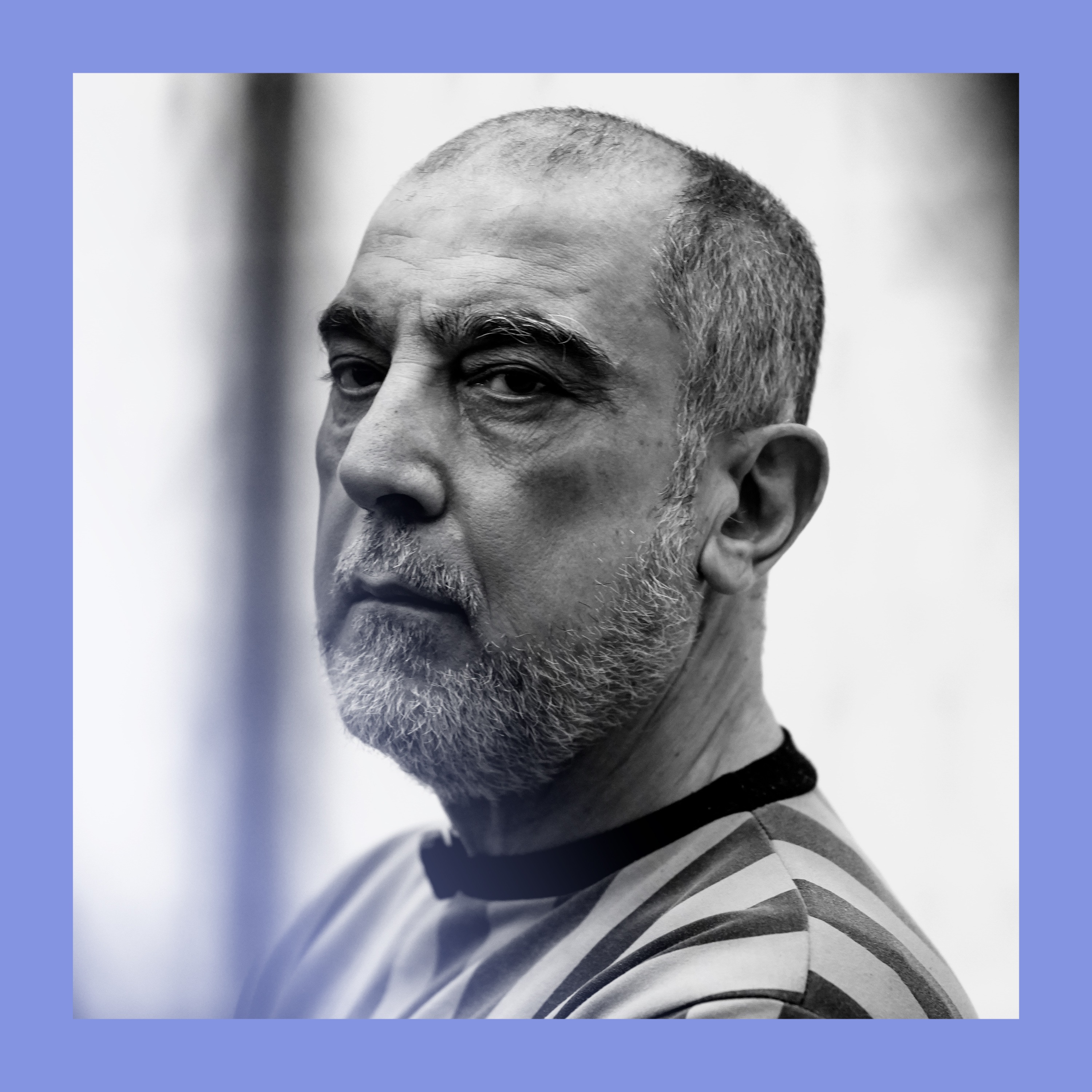
The new Syrian government's lack of transitional justice is a primary driver of ongoing violence. By allowing former regime figures to live in exile and even recruiting some, it has created a culture of impunity. This has led to widespread frustration, revenge killings, and sectarian attacks, showing peace requires accountability, not just regime change.
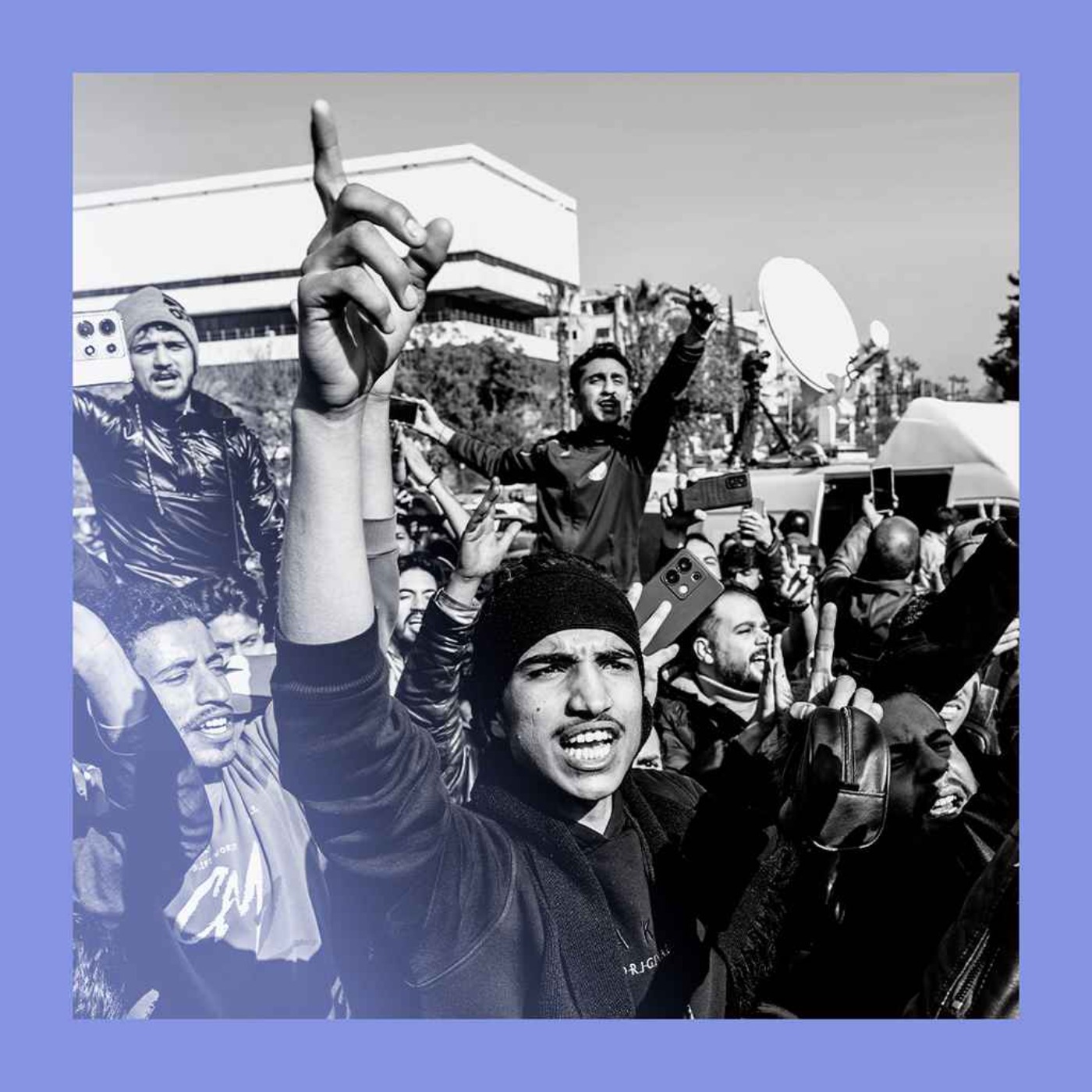
The proposed peace plan negotiated by private business figures asks Ukraine to cede heavily fortified territory that Russia has failed to capture despite years of fighting and immense casualties. This is not a peace deal but a demand for surrender that rewards Russian aggression by effectively giving away strategic land for free.

The war has transformed Russia's economy and military. A peace deal could unleash a battle-hardened, radicalized army, giving Putin an incentive to maintain the war footing and seek further incursions into Europe to avoid domestic disruption.
With the goal of retaking all territory now unrealistic, Ukraine's military command has adopted a new strategy: inflict such high monthly casualties on Russian forces (40-50k) that Putin cannot sustain recruitment levels, ultimately forcing him to seek a ceasefire due to domestic pressure.
