Get your free personalized podcast brief
We scan new podcasts and send you the top 5 insights daily.
Regular manager debriefs should center on analytical consistency rather than short-term returns. Because performance inherently fluctuates, anchoring discussions around repeatable methodology helps alleviate the acute stress, loneliness, and depression that portfolio managers frequently encounter during down cycles.
Related Insights
The default reaction to poor performance is to become defensive. Instead, managers should establish a baseline of extreme transparency during good times. This builds the relational trust required for LPs to remain supportive during inevitable rough patches.

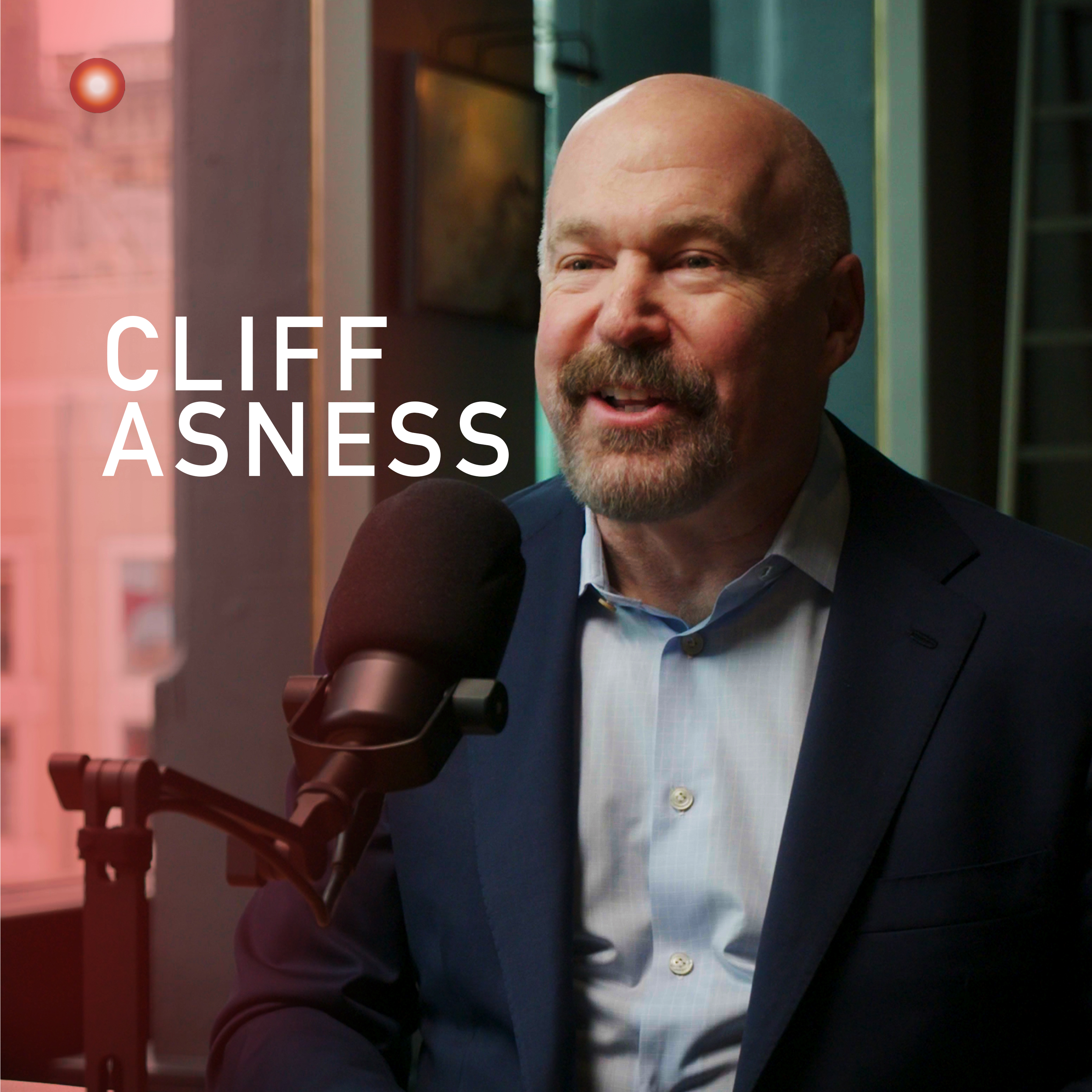
To avoid making emotionally-driven changes after a losing streak—which Cliff Asness calls his "only negative five sharp ratio strategy"—AQR delays implementing major model adjustments for six months. This forced cooling-off period ensures decisions are based on rigorous research, not recent performance.
During market crises, the key to survival and capitalizing on dislocations is understanding the difference between a temporary mark-to-market loss (drawdown) and a true, unrecoverable loss of capital (impairment). This mental model, combined with liquidity, allows one to act rationally under pressure.
Instead of fighting or fearing market downturns, a superior strategy is to consciously "surrender" to their inevitability. This philosophical acceptance frees you from the draining, low-value work of predicting the unpredictable (recessions, crashes) and allows you to focus on owning resilient businesses for the long term.

Contrary to the advice to "ignore the news," actively processing market turmoil and negative events builds mental resilience. This creates a memory of past crises and recoveries, making an investor more robust and less likely to panic-sell during future downturns.

A core discipline from top hedge funds is to re-evaluate every holding daily, regardless of past performance. This forces an objective assessment of whether you would buy the position today, removing emotional attachment and the sunk-cost fallacy from decision-making.

To endure long stretches of underperformance, shift focus from external market validation to internal process integrity. Inspired by Peter Matthiessen's "The Snow Leopard," find reward in the task itself. This provides the stamina to stick with a sound strategy when it's out of favor with the market.
AQR's Cliff Asnes highlights that a prolonged period of underperformance is psychologically and professionally more damaging than a sharper, shorter drop. Enduring a multi-year drawdown erodes client confidence and forces painful business decisions, even if the manager's conviction in their strategy remains high.

Average drawdown is superior to metrics like standard deviation because it measures both the magnitude and duration of a portfolio's decline. This combination better reflects the actual emotional discomfort clients experience during a market downturn, making it a more practical gauge of risk.

Marshall Wace doesn't formally debrief individual stock trades that go wrong. Instead, they focus learning and risk management at the portfolio level. For a diversified fund, the critical skill is overall construction and risk allocation, not the outcome of any single position among hundreds.