Get your free personalized podcast brief
We scan new podcasts and send you the top 5 insights daily.
When Elon Musk publicly criticized Ryanair, the airline's CEO leveraged the conflict into a sales promotion. The resulting media attention and brand relevance led to a 2-3% increase in bookings, demonstrating how earned media from a public spat can be a direct and immediate revenue driver for a challenger brand.

Related Insights
The backlash transformed a standard ad campaign into a cultural phenomenon that generated 45 billion impressions. This massive earned media reach dwarfed competitor campaigns, demonstrating that provocative work—even with negative reactions—can deliver far greater ROI than a safe media buy.

When a large competitor matched Southwest's $13 discounted fare, Southwest countered by offering customers a choice: the $13 fare, or the original $26 fare with a complimentary bottle of liquor. Most business travelers chose the higher fare, turning a potential loss into a profitable marketing coup.

When Richard Branson's hot air balloon crashed trying to cross the Atlantic, he viewed it as a superior marketing event. The story had tension, high stakes, and a memorable visual of the "Virgin" logo sinking. This illustrates that stories of struggle and failure are often more engaging and human than simple success narratives.

Rivalries like Uber vs. Lyft or Coke vs. Pepsi aren't just competition; they create a mutually beneficial narrative. The Grinch's popularity as an antihero reinforces the value of heroic Christmas figures. Consumers embrace the villain, which in turn strengthens both brands.

Incumbent brands often face backlash for using AI in ads for 'sacred' campaigns, as audiences have strong expectations. Challenger brands, however, can leverage AI to create novel, surprising content that defines their image without violating established norms.

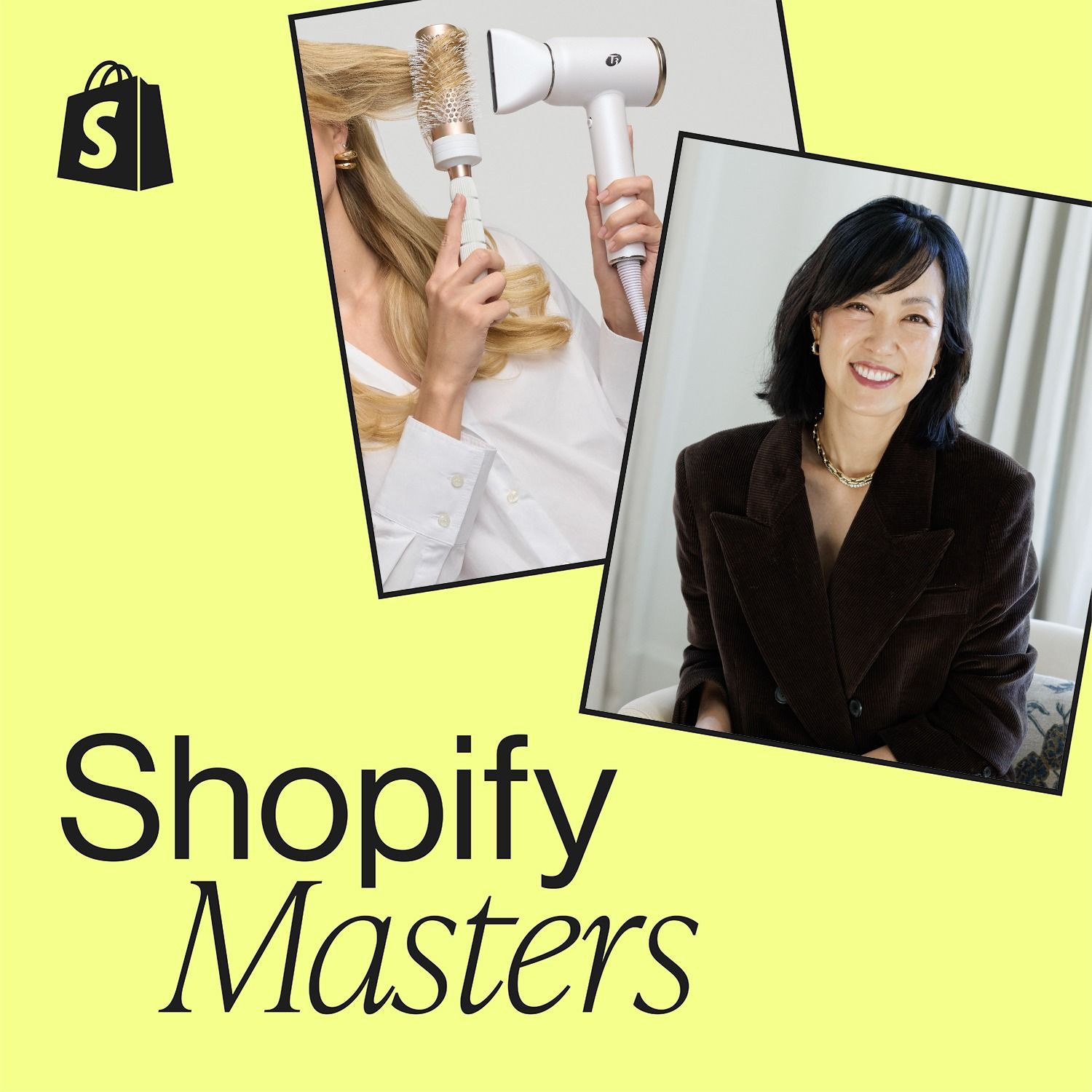
When large appliance companies like Dyson entered the premium hair tool market, T3 was initially intimidated. However, their massive marketing budgets raised overall category awareness and normalized higher price points. This repositioned T3 as an 'affordable luxury' and ultimately boosted their business, demonstrating that new competition can grow the pie for everyone.
The true power of an economic boycott lies not in its direct revenue loss, which is often negligible (around a 1% stock decline). Its effectiveness comes from creating negative media attention that pressures corporate leaders to reverse decisions in order to quell the public relations crisis.
Instead of reacting defensively to negative press, the team reframed the situation as an opportunity. This mindset shift led them to stick to their plan and amplify the campaign's reach by focusing on positive business signals, rather than apologizing or retracting.
Baby2Baby transformed celebrity involvement from simple PR into a powerful negotiation tool. They offered celebrity endorsements to corporations like Huggies in exchange for multi-million dollar grants and massive product donations, creating a win-win-win flywheel for growth.

A smaller marketing budget can defeat a much larger one by investing in high-volume, low-cost organic social media. This strategy leverages platform algorithms to achieve massive reach that would otherwise require millions in ad spend, thus neutralizing a competitor's financial advantage.
