Get your free personalized podcast brief
We scan new podcasts and send you the top 5 insights daily.
Building AI assistants exclusively on APIs like GPT introduces significant drawbacks. These include per-message costs, required internet connectivity, and a lack of control over user data and model logic. This makes them unsuitable for secure, private, or offline applications where data cannot leave the machine.

Related Insights
Relying on third-party APIs for AI is becoming unsustainable due to high token costs and the inherent security risk of uploading sensitive data. This will force a market shift toward powerful local hardware for running private, cost-effective models.

A key challenge for agentic AI products is their business model. Unlike chatbots that incur costs per request, agentic systems that run continuously in the background have non-zero marginal costs, making freemium or low-cost models difficult to sustain.

By running locally on a user's machine, AI agents can interact with services like Gmail or WhatsApp without needing official, often restrictive, API access. This approach works around the corporate "red tape" that stifles innovation and effectively liberates user data from platform control.
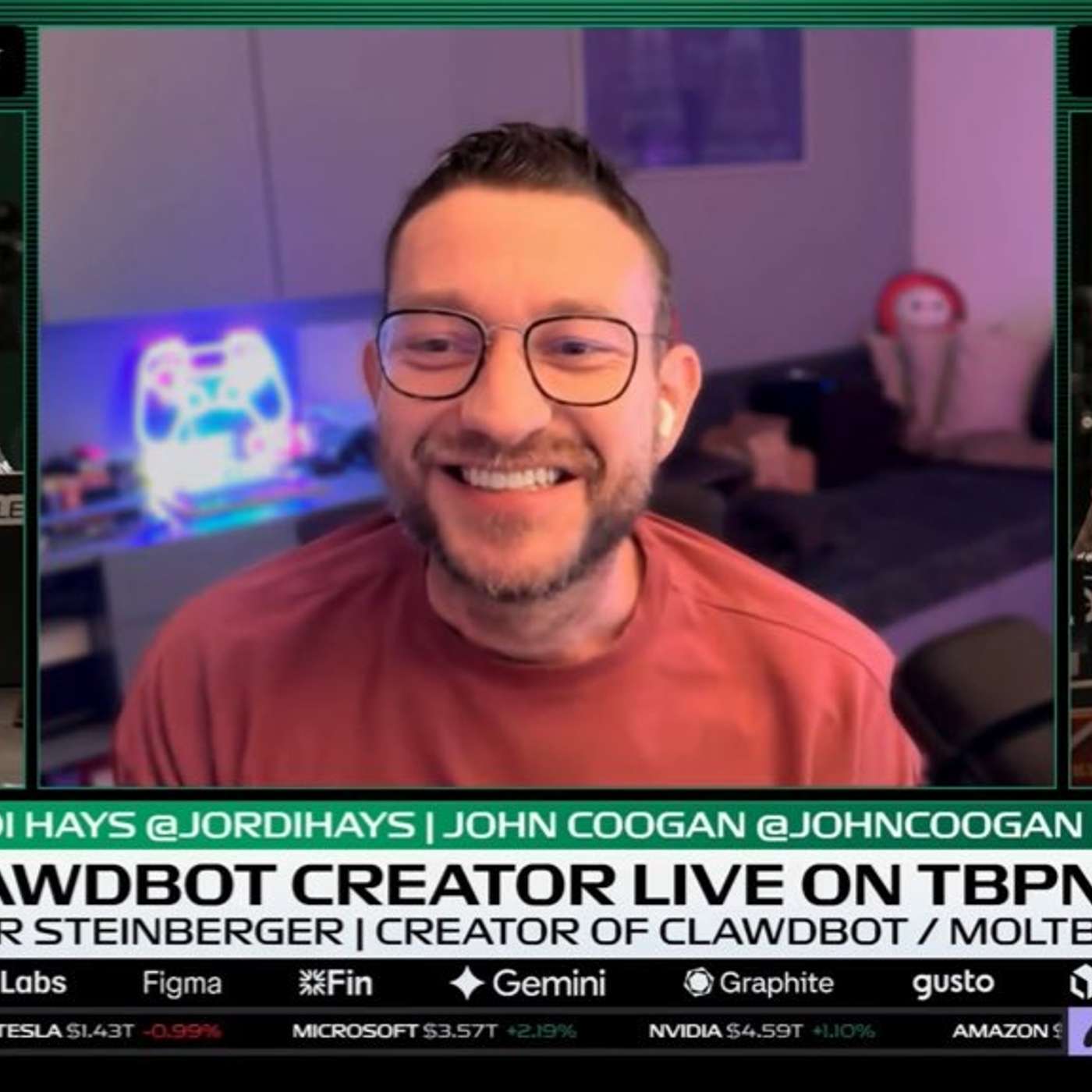
Autonomous agents like OpenClaw require deep access to email, calendars, and file systems to function. This creates a significant 'security nightmare,' as malicious community-built skills or exposed API keys can lead to major vulnerabilities. This risk is a primary barrier to widespread enterprise and personal adoption.

By running AI models directly on the user's device, the app can generate replies and analyze messages without sending sensitive personal data to the cloud, addressing major privacy concerns.
The core drive of an AI agent is to be helpful, which can lead it to bypass security protocols to fulfill a user's request. This makes the agent an inherent risk. The solution is a philosophical shift: treat all agents as untrusted and build human-controlled boundaries and infrastructure to enforce their limits.

While not as powerful as top API models, local models provide sufficient performance for many tasks. This 'good enough' capability, combined with data privacy, predictable latency, and zero per-token cost, makes them a compelling choice for specific use cases in a real workflow.

Many SaaS tools are adding "agent" layers. However, these agents are essentially just a set of instructions and API connectors. This makes them highly susceptible to commoditization, as a user could easily copy the instructions and rebuild the agent in another platform like Claude or a custom solution.

For AI to function as a "second brain"—synthesizing personal notes, thoughts, and conversations—it needs access to highly sensitive data. This is antithetical to public cloud AI. The solution lies in leveraging private, self-hosted LLMs that protect user sovereignty.

Running a personal AI on your own hardware is fundamentally different than using a cloud service. The key advantage is data sovereignty. This protects user data from third-party access, subpoenas, and control by large corporations, which is a critical differentiator for privacy-conscious users and businesses.