Get your free personalized podcast brief
We scan new podcasts and send you the top 5 insights daily.
Studies show the gut microbiome is a better predictor of exercise capacity than genetics. Proteins from gut microbes signal neurons, which message the brain to boost dopamine and the drive to move. This suggests the "runner's high" is actually initiated in the gut.

Related Insights
The cognitive benefits of exercise are partly driven by organ-to-organ communication. Research shows physical activity prompts the liver to release specific factors, such as the protein clusterin, which then travel through the blood to the brain and enhance its function.

Dopamine is often misunderstood as a 'pleasure molecule.' Its more crucial role is in motivation—the drive to seek a reward. Experiments show rats without dopamine receptors enjoy food but won't move to get it, starving to death. This seeking behavior is often triggered by the brain's craving to escape a dopamine deficit state.
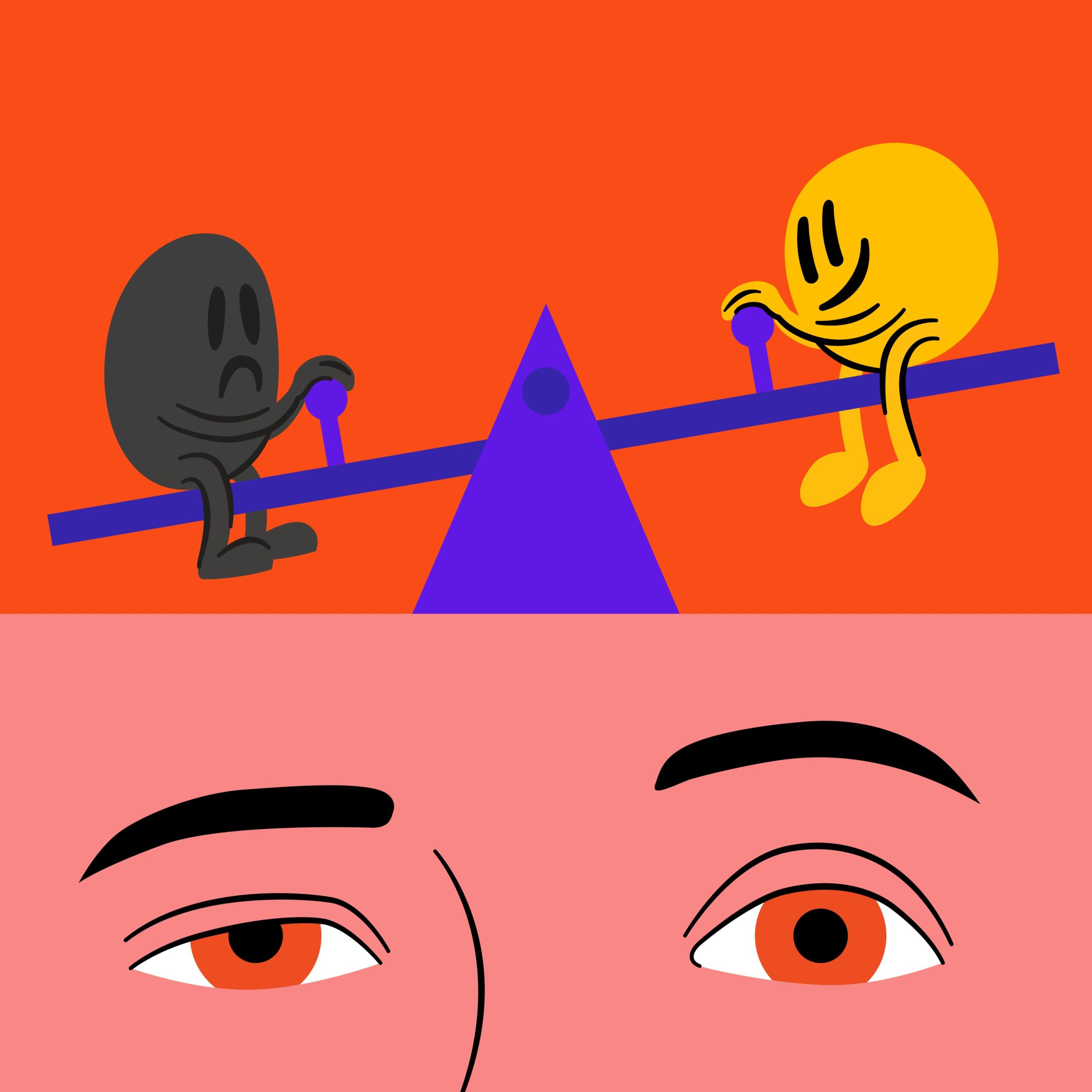
Reward isn't just about indulgence. The dopamine system can learn to value self-control and resistance. This is pathologically evident in anorexia but is also the mechanism behind healthy discipline. For athletes, the act of choosing training over socializing can itself become a dopaminergic reward, reinforcing difficult choices.
Unlike instantly gratifying habits, effortful ones like exercise initially feel painful. This stress signals the body to upregulate its own feel-good neurotransmitters like dopamine in response. In effect, you are "paying for" your dopamine upfront with effort, leading to a delayed but sustainable reward.

Over 95% of the body's serotonin originates in the gut, not the brain. Its primary role is not just mood regulation but managing gravity's physical toll by stabilizing blood pressure when standing, coordinating muscles for balance, and supporting lymphatic flow, making it a key 'gravity management molecule.'

Neurons in the gut respond to amino acids like glutamine, not just sugar. Ingesting glutamine can potentially trigger the same dopamine pathways as sugar, satisfying the subconscious, nutrient-seeking part of the craving without the calories.

The feeling of motivation isn't abstract; it's chemical energy. Dopamine directly initiates cellular energy production by binding to the outside of mitochondria. This activates the electron transport chain to make ATP available for action, physically linking the brain's desire to act with the cellular fuel required to do so.
Each workout releases a cocktail of neurochemicals, including dopamine, serotonin, and the growth factor BDNF. This "bubble bath" for the brain directly stimulates the growth of new cells in the hippocampus, making it larger and more resilient, which improves long-term memory and can delay dementia.
The famous experiment showing a gut microbiome transplant can induce obesity has a critical caveat. Ferriss notes that if you sever the vagus nerve before the transplant, the lean mouse does not become obese. This demonstrates the vagus nerve is the essential communication highway between the gut and the brain's metabolic controls.

Neuroscience shows that forward physical movement during periods of high alertness or stress activates a brain circuit that releases dopamine. This not only provides a sensation of reward in the moment but also neurologically reinforces the motivation to approach similar challenging goals in the future.