Get your free personalized podcast brief
We scan new podcasts and send you the top 5 insights daily.
Starting in a government lab where he had to raise his own funding ('soft money') forced Brad Ringeisen to master pitching and framing the impact of his science. This early entrepreneurial pressure built a critical skill set for leading large-scale research initiatives, making him a 'hungry scientist.'

Related Insights
Spending years building a business for someone else (even a parent) while being undercompensated is a powerful training ground. It forces a level of conviction, humility, and delayed gratification that can lead to explosive growth once you start your own venture.

A scientific background can be a major asset in a CEO role, not a liability. The core principles of science—making data-driven, rational, and unemotional decisions—translate directly to the business world. This allows for objective choices that align scientific development with the company's business needs.
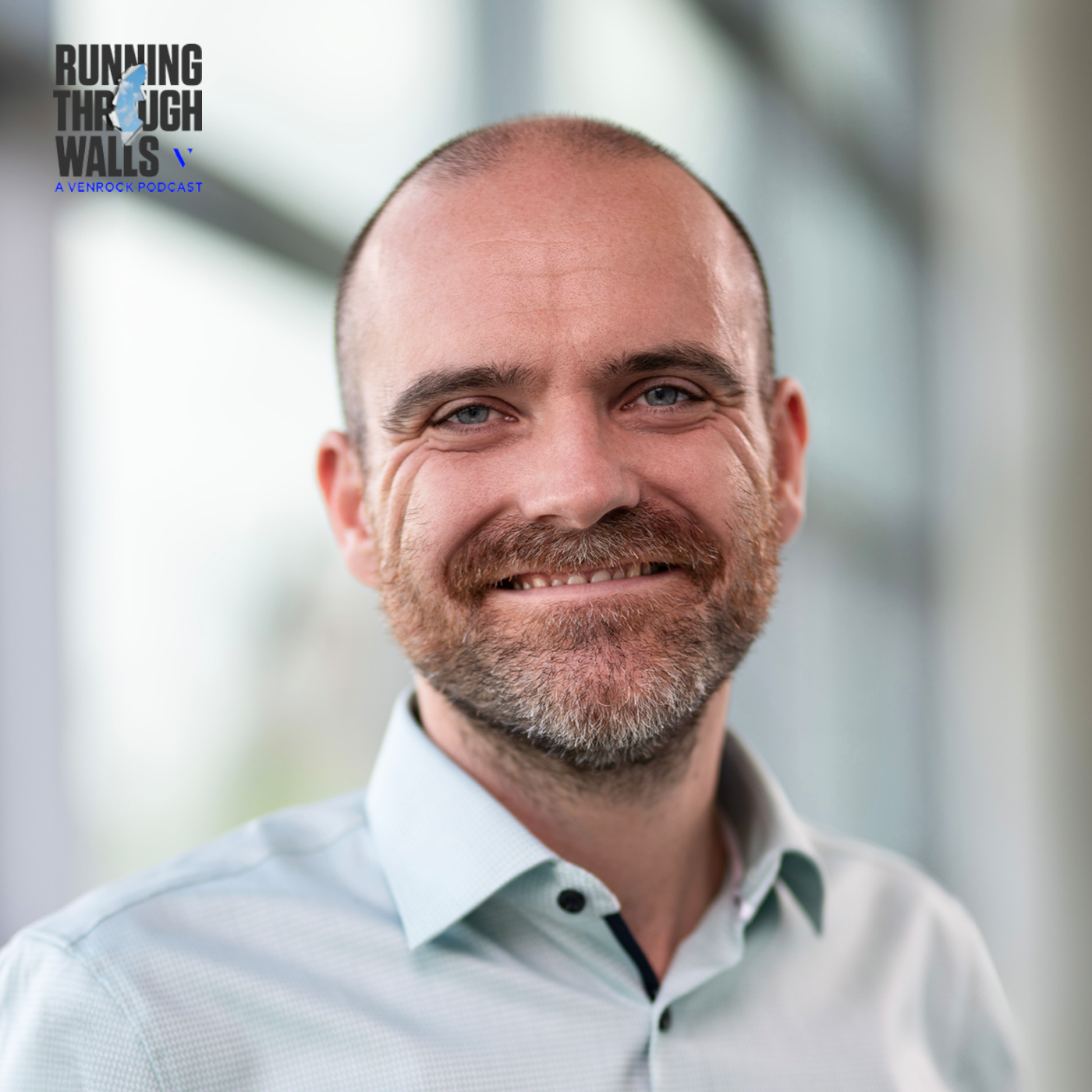
Brad Ringeisen translates his experience at DARPA to the Innovative Genomics Institute by scoping near-impossible challenges with aggressive timelines and fostering a belief that the goal is achievable. This injects a sense of mission-driven urgency typically absent in academic research, now powered by philanthropy.
The core job of a scientist isn't knowing facts, but figuring out what's unknown. This problem-solving 'toolbox'—how to think, act, and work with teams to tackle new problems—is directly transferable to the CEO role, enabling leaders to navigate unfamiliar domains like corporate finance or legal structures.

Fundraising as a first-time biotech CEO is not a single skill. Ron Cooper's experience at Albareo involved executing seven different financial transactions in two years, most of which were new to him. This demonstrates that success requires intense persistence ("wearing out your shoe leather"), a compelling story, and creativity in pursuing non-traditional financing.

Recognizing that business leaders—not scientists—often set research priorities, Jonathan Steckbeck intentionally earned an MBA before his PhD. This nontraditional path gave him the commercial acumen to found a company where he could direct both the scientific and business strategy from day one.

A biotech investor's role mirrors that of a record producer by identifying brilliant talent (scientists) who may lack commercial experience. The investor provides the capital, structure, and guidance needed to translate raw scientific innovation into a commercially successful product.

IGI Director Brad Ringeisen attributes his career in science directly to his father, a mathematician who scribbled math problems for him during church services. This anecdote illustrates how early, informal mentorship from a parent can be the critical spark that sustains a child's interest through the challenges of STEM.
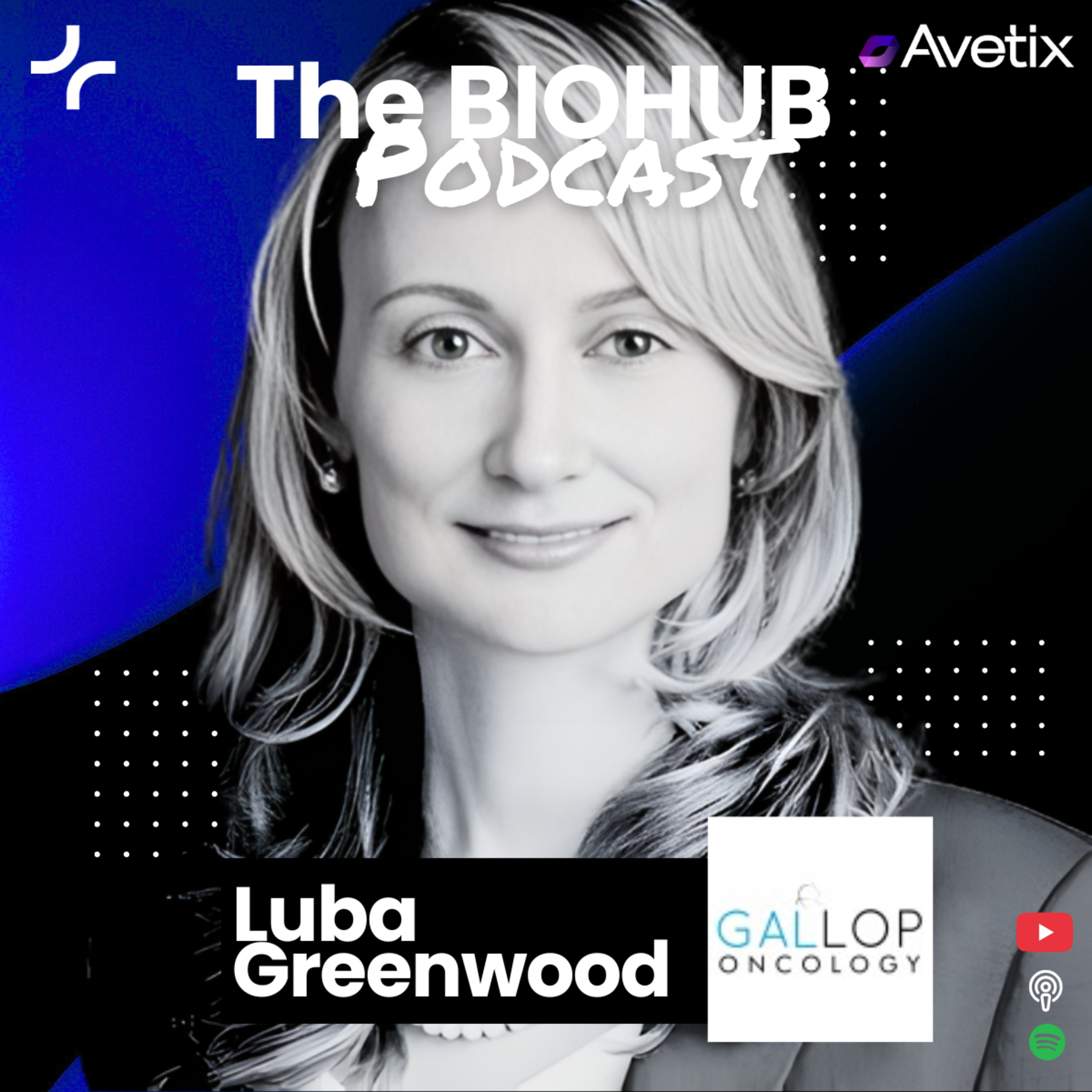
Luba Greenwood argues that unlike in tech, many biotech CEOs lack P&L experience. In today's cash-constrained market, CEOs need to be able to build financial models and understand finance deeply to be effective, a skill she personally developed after transitioning from law and science.
Merrick Smela found the switch from academia to his startup, Ovelle, to be a small one. During his PhD, he operated with a clear, product-focused goal: "I want to make an egg." This contrasts the stereotype of purely exploratory academic research, showing that a mission-driven approach is excellent training for entrepreneurship.
