Get your free personalized podcast brief
We scan new podcasts and send you the top 5 insights daily.
PDX differentiates itself from typical trade shows by emphasizing hands-on training and a 'low-pressure learning environment.' This strategy targets engineers seeking practical skills and problem-solving over sales pitches, helping to attract a higher-quality, more engaged audience.

Related Insights
Unlike software, marketing physical hardware demands a significant focus on in-person experiences like trade shows and partner events. Customers need to physically touch and interact with the product to understand its differentiation, something a spec sheet cannot convey. This fundamentally shifts the marketing mix away from purely digital channels.

The most valued parts of the event were not the keynotes, but breakout groups and off-site excursions like pickleball. These activities create a "third space"—separate from work and home—where attendees can form genuine human connections, which is often the ultimate, unstated goal of attending.
C-level decision-makers are not found walking the floor at massive conferences. A more effective GTM strategy is to host small, exclusive dinners focused on thought leadership and relationship building. The goal is not to sell, but to discuss strategic transformation, which organically leads to commercial opportunities.

The true value of attending an industry conference lies not in the formal keynotes, but in unstructured access to speakers. Conversations in hallways or at lunch provide a unique opportunity to ask specific questions and understand the process behind their thinking, which is more valuable than the content itself.

The "Possible" event avoids creating a singular, top-down theme each year, which its founder believes is often forgotten by attendees. Instead, the team focuses on curating content tracks by listening to the market all year round, ensuring the agenda directly addresses the industry's current needs.

A top reason speaking submissions fail is a mismatch with the core audience. For instance, at IMEX, educational content is built for event planners (the buyers), not the hotel salespeople (the exhibitors). Deeply understand who the educational sessions are designed for before submitting a proposal.

The most important part of a specialized conference isn't the talks, which are typically recorded, but the 'hallway track'—the unstructured conversations with speakers and other expert attendees. Maximizing this value requires intentionality and a clear goal for engagement, as these serendipitous connections are the primary reason to attend in person.
![⚡ [AIE CODE Preview] Inside Google Labs: Building The Gemini Coding Agent — Jed Borovik, Jules thumbnail](https://assets.flightcast.com/V2Uploads/nvaja2542wefzb8rjg5f519m/01K4D8FB4MNA071BM5ZDSMH34N/square.jpg)
Top-tier event programmers, like those at CES, prioritize finding the best speakers and deepest experts in a field, then build the program around them. To get selected, focus on establishing and proving your authentic, deep expertise in one specific niche, rather than just pitching a topic.
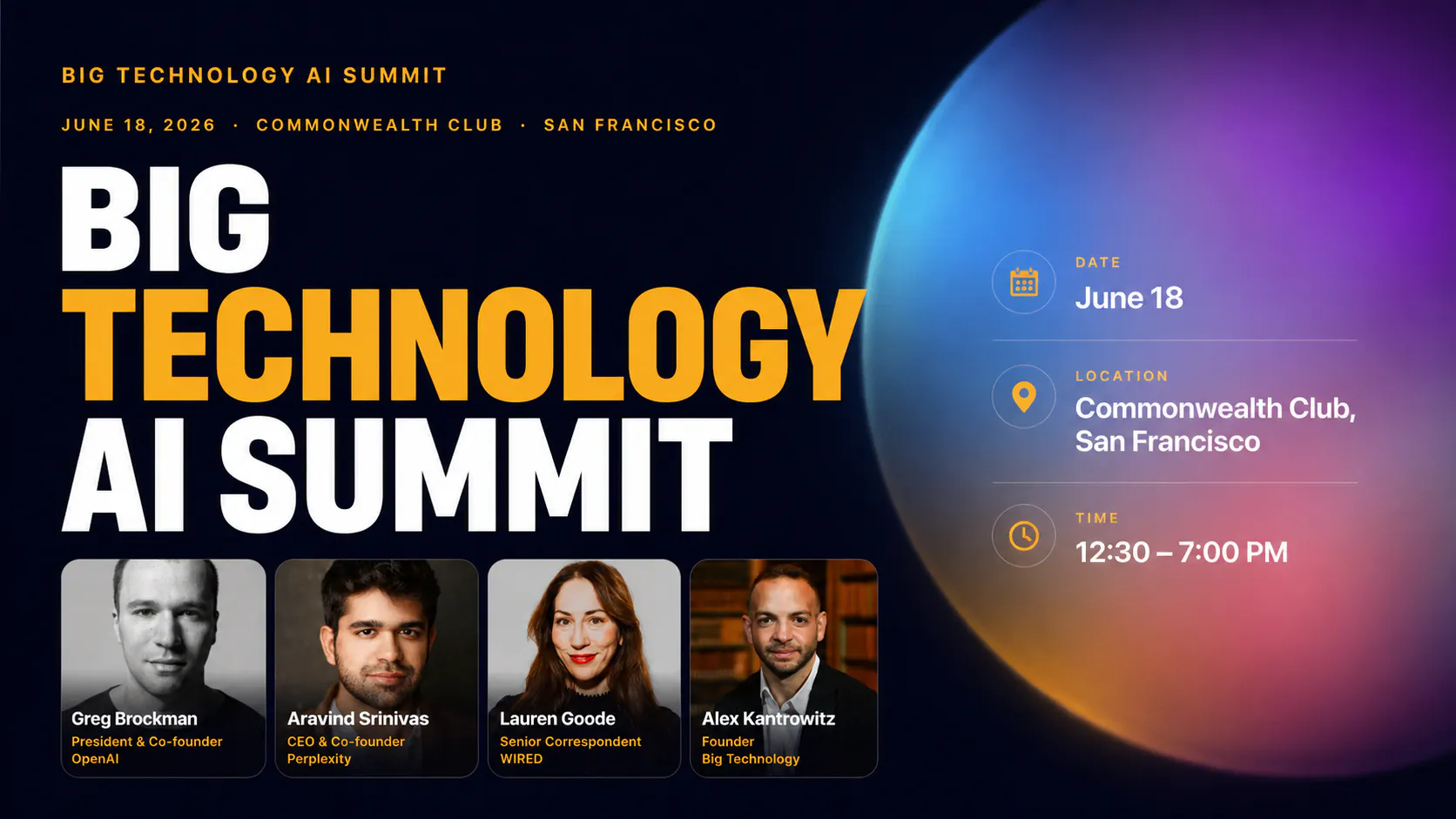
The podcast is launching its first live summit by deliberately capping attendance at 200-250 people. This 'less is more' strategy creates an intimate, high-value experience that contrasts with massive tech trade shows, fostering better networking and a sense of exclusivity that mirrors the podcast's conversational style.
After struggling to convert leads from thought leadership webinars, IT management firm Kanji switched to hosting "Demo Days." These straightforward, product-focused sessions have been "insanely successful," attracting 400-500 attendees who are tired of fluff and simply want to see the product in action.